In an increasingly competitive global manufacturing environment, the demand for speed, precision, and cost efficiency continues to rise. Companies are under pressure to deliver more value with fewer resources, pushing them to adopt lean manufacturing consulting as a core strategy for operational excellence. However, lean principles alone are no longer enough — modern businesses must now integrate advanced technologies to sustain continuous improvement.
From real-time data analytics and IoT systems to digital twins and AI-driven process optimization, technology plays a crucial role in transforming how manufacturers approach process improvement consulting, particularly within nearshore manufacturing hubs like Mexico.
Understanding Lean Manufacturing Consulting in the Digital Age
Lean manufacturing consulting is built on a simple yet powerful foundation: eliminate waste, streamline processes, and maximize customer value. Traditionally, this was achieved through methodologies like Kaizen, 5S, Value Stream Mapping (VSM), and Just-in-Time (JIT) production.
Today, the integration of technology has enhanced these principles, enabling consultants and manufacturers to visualize inefficiencies, collect performance data, and make informed decisions in real time. This digital evolution not only improves operational efficiency but also creates a more agile and adaptive supply chain — a key differentiator for businesses comparing manufacturing in Mexico vs China.
Why Technology Matters in Lean Manufacturing
The core challenge of lean manufacturing lies in identifying and eliminating waste — whether it’s wasted time, materials, motion, or effort. Technology provides the tools and insights necessary to uncover hidden inefficiencies that traditional observation-based methods might miss.
Here’s how digital transformation is reshaping the landscape of process improvement consulting:
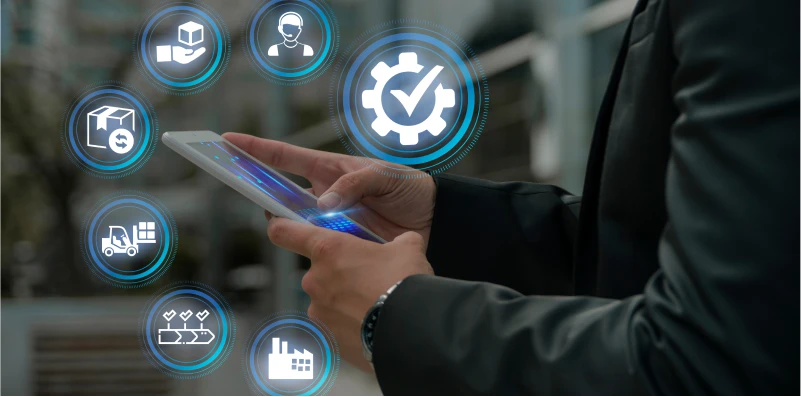
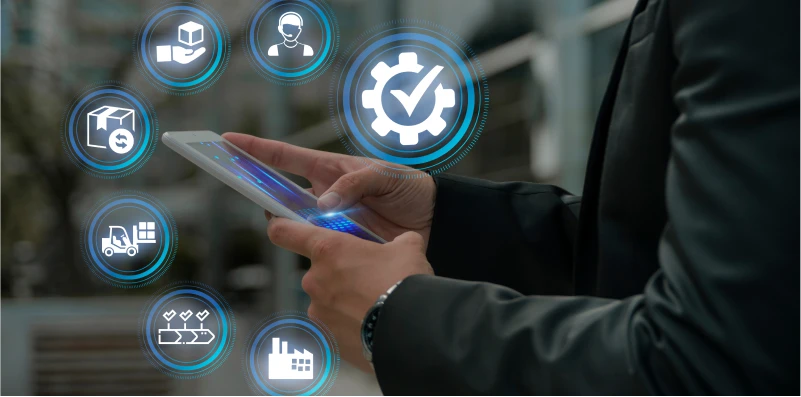
- Data-Driven Decision Making: Advanced analytics platforms help organizations collect and interpret real-time data from production lines. This enables managers to identify bottlenecks, measure equipment efficiency, and respond quickly to disruptions.
- Predictive Maintenance with IoT: Internet of Things (IoT) sensors continuously monitor machinery performance and detect early signs of wear or failure. Predictive maintenance prevents downtime, reduces repair costs, and ensures steady workflow.
- Automation and Robotics: Robotics and automation systems are central to lean efficiency. By automating repetitive or high-risk tasks, companies can increase productivity, improve precision, and allocate human resources to higher-value work.
- Digital Twins and Simulation: Digital twin technology allows manufacturers to simulate processes, test changes, and predict outcomes before implementing them in the real world. This minimizes risk and accelerates continuous improvement initiatives.
- Cloud-Based Collaboration Tools: In nearshore manufacturing environments, digital platforms enhance communication between cross-border teams, suppliers, and clients. They ensure transparency, reduce delays, and foster collaboration across the supply chain.
Technology-Driven Process Improvement Consulting
In the past, process improvement relied heavily on manual data collection, time studies, and observational analysis. Today, consultants integrate technology into every stage of improvement.
A site process improvement consulting project often begins with digital diagnostics — using sensors, process mapping software, and data dashboards to assess workflow efficiency. Consultants then leverage tools like ERP (Enterprise Resource Planning) systems and Manufacturing Execution Systems (MES) to track metrics and implement lean strategies effectively.
For example, a Mexico sourcing agent working with a U.S. manufacturer might use digital dashboards to monitor supplier performance, lead times, and quality metrics in real time. This data-driven approach aligns sourcing decisions with lean goals, ensuring every component of the supply chain contributes to operational efficiency.
Nearshore Manufacturing: Where Lean and Technology Meet
As companies evaluate Mexico vs China for their manufacturing operations, one of the key advantages of Mexico nearshoring lies in the ability to integrate lean manufacturing and modern technology seamlessly.
Mexico’s growing manufacturing ecosystem — from automotive and aerospace to electronics — is increasingly equipped with digital infrastructure and smart factory capabilities. When combined with lean manufacturing consulting, this environment supports faster innovation cycles, improved logistics, and superior quality control.
Key benefits include:
- Reduced lead times: Shorter transportation routes and real-time visibility tools ensure quicker product delivery to U.S. markets.
- Lower operational costs: Lean practices paired with automation reduce material waste and labor inefficiencies.
- Enhanced supplier communication: Cloud-based collaboration and analytics improve supply chain alignment and responsiveness.
- Continuous improvement culture: Technology enables consistent measurement and iterative process refinement.
Real-World Example: Lean + Tech in Action
Consider a U.S.-based electronics company that transitioned from manufacturing in China to a nearshore manufacturing facility in Mexico. By partnering with a process improvement consulting firm, the company introduced a combination of lean methods and digital tools, including IoT sensors, ERP integration, and automated inspection systems.
The results were significant:
- 30% reduction in production downtime due to predictive maintenance.
- 20% improvement in material utilization through real-time tracking.
- Faster delivery cycles and reduced shipping costs due to regional proximity.
This case highlights how technology-enabled lean consulting can amplify efficiency, responsiveness, and profitability within Mexico’s industrial landscape.
Integrating Technology Across Lean Consulting Phases
Effective process improvement consulting integrates technology at every stage of the lean transformation journey:
- Assessment & Diagnosis: Use data analytics and digital mapping tools to identify inefficiencies, track KPIs, and quantify potential improvements.
- Design & Planning: Implement simulation tools and digital twins to model new workflows and predict outcomes before physical changes occur.
- Implementation & Automation: Deploy automation systems and IoT-enabled devices to standardize processes, ensure consistent quality, and minimize waste.
- Monitoring & Optimization: Use cloud-based dashboards to continuously monitor performance metrics and drive ongoing improvements.
- Sustainability & Scalability: Leverage AI and machine learning for long-term performance monitoring, predictive forecasting, and strategic scaling across facilities.
Why Partner with a Process Improvement Consultant?
Integrating technology into lean manufacturing requires expertise — not just in process design but also in selecting and deploying the right digital tools. Partnering with a consulting firm like Southward Advisors ensures your transformation is strategic, data-driven, and tailored to your operational goals.
As a trusted partner in site process improvement consulting, Mexico nearshoring, and sourcing in Mexico, Southward Advisors helps organizations bridge the gap between traditional lean methods and next-generation technology. Their consulting framework combines operational expertise with deep regional knowledge, helping clients achieve measurable efficiency and sustainable growth.
Technology is redefining what’s possible in lean manufacturing. From predictive analytics to smart factories, digital transformation amplifies the impact of process improvement consulting, driving productivity and agility across global supply chains.
For businesses exploring manufacturing in Mexico vs China, integrating lean and technology within nearshore manufacturing operations offers a clear competitive advantage — lower costs, faster delivery, and improved quality.
By embracing a technology-driven approach with partners like Southward Advisors, companies can transform their operations into efficient, data-powered ecosystems ready to meet the challenges of the modern manufacturing world.