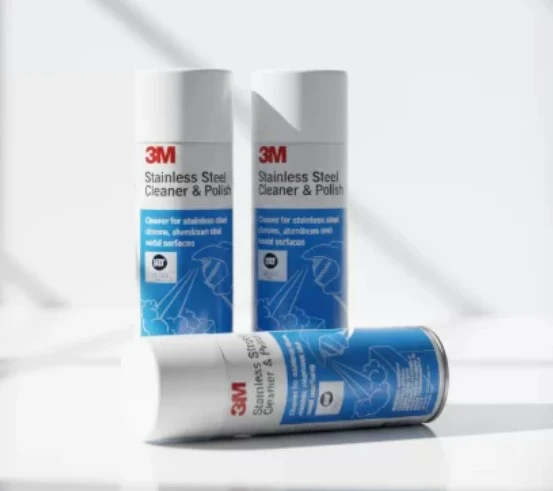
Stainless steel has long been acknowledged as a favored material in various industries and applications. Its natural durability, resistance to corrosion, and sleek, contemporary look render it essential in fields such as architecture, interior design, food service, and healthcare. However, to keep stainless-steel surfaces in pristine condition, one must do more than just routine cleaning; it requires the strategic application of stainless steel polish. This vital product is crucial not only for maintaining the visual appeal of stainless steel but also for upholding high hygiene standards. Hi-Care stainless steel polish enhances brilliance and promotes cleanliness, making it the perfect option for preserving immaculate stainless steel surfaces.
Understanding Stainless Steel and Its Unique Challenges
Due to its distinctive alloy composition, stainless steel demonstrates exceptional resistance to oxidation and corrosive elements. The chromium creates a passive oxide layer that protects the steel from environmental harm. Nevertheless, stainless steel is susceptible to smudges, fingerprints, scratches, and environmental pollutants that can diminish its surface quality and compromise its hygienic attributes. Neglecting the upkeep of stainless steel surfaces can lead to visible blemishes and create ideal conditions for bacteria and other harmful microorganisms to thrive. Consequently, the function of stainless-steel polish goes far beyond simple aesthetics.
Enhancing Aesthetic Appeal
At its essence, stainless steel polish is intended to restore and preserve the metal’s brilliant finish. Utilizing advanced chemical compositions, these polishes effectively remove smudges, water spots, and fingerprints that accumulate on stainless steel surfaces. They also address microscopic scratches, resulting in a smooth, reflective surface that amplifies the material’s natural sheen. Furthermore, regular polishing aids in preventing surface deterioration caused by extended exposure to moisture, chemicals, and handling. By taking a proactive approach to maintenance, stainless steel installations are protected against wear, ensuring they remain both visually appealing and fully functional for years to come.
Promoting Hygiene and Safety
In addition to its aesthetic advantages, stainless steel polish plays a crucial role in upholding stringent hygiene standards. A polished surface is naturally easier to clean due to its smoothness and lack of imperfections where bacteria, dirt, and grime can accumulate. The polishing process effectively seals the surface, decreasing porosity and reducing the likelihood of microbial growth. Moreover, many contemporary stainless steel polishes are infused with antimicrobial agents that offer an extra layer of protection. These agents inhibit microbial proliferation, fostering a safer environment for both employees and customers.
Environmental and Operational Considerations
The choice and application of stainless steel polish should be in accordance with environmental and operational best practices. Today’s high-quality polishes emphasize eco-friendly components, thereby minimizing the impact on indoor air quality and decreasing hazardous waste. This movement towards sustainable formulations aligns with broader corporate social responsibility objectives and adherence to international environmental standards.
Best Practices for Utilizing Stainless Steel Polish
Surface Preparation: Begin by removing dirt and grime to ensure the polish can be applied smoothly and function effectively.
Application: Employ suitable tools such as microfiber cloths or applicator pads. Apply the polish in the direction of the metal grain to prevent streaks and achieve a consistent finish.
Frequency: Regular polishing, adjusted to the specific environment and usage intensity, maintains the integrity and appearance of the surface.
Safety: Always use polishes in well-ventilated areas and adhere to the manufacturer's safety guidelines, particularly in sensitive environments like food preparation areas.
Conclusion
Stainless steel polish plays a crucial and essential role in contemporary maintenance practices. It not only enhances the visual appeal of stainless steel surfaces, ensuring they maintain their characteristic shine and elegance, but also significantly improves hygiene by providing a smooth, sealed, and bacteria-resistant finish. This combination of aesthetics and sanitation is vital for industries where both appearance and cleanliness are critical.