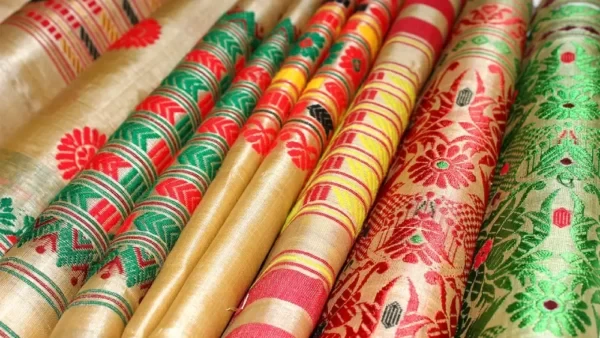
Silk has long been woven into the cultural and social fabric of India, symbolising refinement, celebration, and continuity. From ancient trade routes to present day wardrobes, silk has retained its relevance by evolving with time while preserving its cultural essence. In an era where fashion choices are increasingly driven by values such as sustainability and authenticity, silk has re emerged as a fabric of significance rather than excess. Among the many varieties cherished across the country, the muga silk saree stands as a powerful example of how heritage textiles continue to influence contemporary fashion.
Silk is not merely appreciated for its lustre or softness. It represents a thoughtful process that combines natural resources, artisan skill, and cultural knowledge. Each silk garment carries the imprint of human effort, making it deeply personal and enduring.
Silk as a Cultural Expression:
In Indian tradition, silk is closely associated with milestones and rituals. Weddings, religious ceremonies, and significant life events often feature silk garments as symbols of respect and prosperity. This association has remained intact across generations, reinforcing silk’s emotional and cultural importance.
The production of silk is also deeply regional. Different parts of India are known for distinct weaving techniques and textures, shaped by local climate and heritage. These variations contribute to the richness of Indian silk, ensuring that it remains diverse and culturally rooted rather than uniform.
Muga Silk and Its Enduring Legacy:
Muga silk occupies a special position within India’s silk traditions. Native to Assam, it is distinguished by its natural golden tone that does not fade but becomes richer with age. This rare quality makes muga silk one of the most durable and visually striking silks available.
The creation of a muga silk saree involves extensive manual effort. Artisans nurture silkworms, extract fibres, and weave the fabric using traditional handlooms. This labour intensive process results in a saree that is not only luxurious but also sustainable and long lasting. As a result, muga silk sarees are often preserved as heirlooms, valued across generations.
Bridging Heritage and Contemporary Fashion:
Modern fashion has redefined how silk is worn and appreciated. Once reserved primarily for ceremonial occasions, silk garments now appear in formal gatherings, cultural events, and thoughtfully styled social settings. This shift reflects a growing desire for clothing that combines elegance with authenticity.
Brands that curate heritage textiles responsibly play a key role in this transition. Ethno Hues focuses on presenting silk collections that remain faithful to traditional craftsmanship while aligning with modern aesthetic preferences. By emphasising quality and cultural integrity, such platforms ensure that heritage fabrics remain relevant without dilution.
Silk in a Modern Ethnic Wardrobe:
A contemporary ethnic wardrobe values versatility as much as tradition. While sarees remain central, women increasingly seek garments that offer comfort and cultural expression across different occasions. Silk based outfits and complementary styles allow for this flexibility.
The curated range of ethnic dresses for women extends the relevance of silk inspired fashion beyond formal wear. These designs reflect cultural sensibility while accommodating modern routines, enabling women to transition seamlessly between festive, professional, and social settings.
Why Silk Continues to Inspire Confidence:
Several factors explain silk’s lasting appeal in Indian fashion.
- Natural sheen that conveys understated elegance
- Deep cultural and ceremonial significance
- Longevity and durability with proper care
- Artisan driven and environmentally responsible production
- Compatibility with both traditional and contemporary styling
These qualities ensure that silk remains a meaningful choice rather than a passing trend.
Conclusion:
Silk continues to define Indian fashion by harmonising tradition with modern sensibilities. Its enduring presence reflects a collective respect for craftsmanship, culture, and thoughtful consumption. The muga silk saree, in particular, exemplifies how heritage textiles can remain relevant in today’s wardrobes without losing their identity. Through curated collections that honour authenticity and artistry, Ethno Hues highlights the value of silk as both a cultural treasure and a modern fashion statement. Choosing silk today represents an appreciation for timeless elegance and a commitment to preserving India’s rich textile legacy.