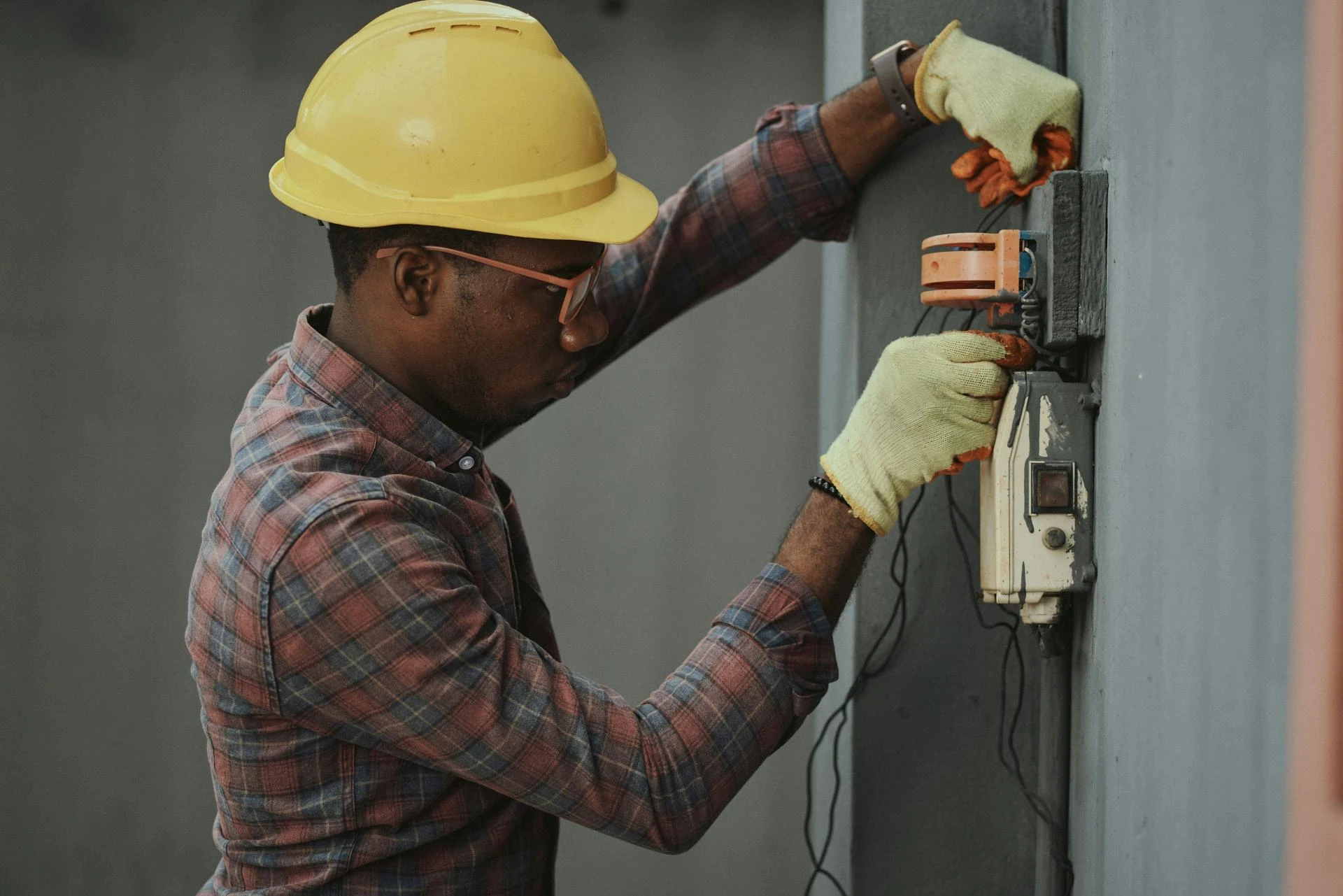
In a more complicated and industrialized global international, protective employees, the general public, and infrastructure have by no means been more vital. Whether in production vegetation, manufacturing websites, or workplace homes, injuries can bring about injury, lack of productivity, expensive downtime, and crooked effects. This is where safety engineering performs a vital role, no longer in accident prevention but also fashionable risk management.
What is Safety Engineering?
Safety engineering is a specialized area of engineering focused on minimizing dangers and stopping accidents by identifying dangers and designing structures that mitigate or lessen the chance of failure. It blends know-how of engineering requirements with human conduct, place of job practices, and compliance with federal policies to ensure that safety isn't an afterthought but a primary aspect of any operation or machine.
Safety engineering goes beyond reactive answers; it is ambitious to anticipate capacity issues and implement proactive strategies to mitigate their impact to avoid them altogether.
Accident Prevention: The Proactive Approach
Accidents do not often seem in a vacuum. Most time, they result from a sequence of mistakes, oversights, or unmitigated risks. Safety engineering seeks to break this chain in advance when an incident takes location.
Here's how it contributes at once to twist of fate prevention:
Hazard Identification and Risk Assessment
The first step in protection engineering is the thorough identity of capacity risks inside a device or manner. Engineers have a look at devices, workflows, environmental situations, and human elements. Using gear like Failure Modes and Effects Analysis (FMEA) or Hazard and Operability Studies (HAZOP), they rank dangers based on threat and severity.
This total method ensures that excessive-precedence risks are addressed earlier than they may cause incidents.
System Design and Safeguards
One of the important capabilities of safety engineering is designing systems that inherently limit threats. This includes incorporating fail-safes, redundancies, interlocks, protection systems, and emergency shutdown capabilities.
For instance, in a production facility, machines are frequently equipped with sensors that routinely shut them down if an employee is detected in a threat sector. These format capabilities aren't greatly engineered for compliance; however, they are tailored for the actual worldwide situations wherein the machine will function.
Human Factors and Ergonomics
People are often the most unpredictable part of any device. Safety engineering integrates human elements engineering to make sure that systems are designed to support the right use and save you from misuse. This consists of clean labelling, ergonomic controls, and consumer-friendly interfaces that reduce the threat of human errors.
A nicely designed computing device, for instance, can prevent repetitive strain injuries, lessen fatigue, and beautify worker interest, all of which contribute to fewer accidents.
Training and Procedural Safety
Safety engineers often work carefully with protection officials and schooling departments to make sure people aren't only aware of dangers but also professional in how to manipulate them. Safety methods, emergency drills, and clean conversation protocols are vital additions to a secure jogging environment.
Safety Engineering in Risk Management
Risk management is the broader method of identifying, assessing, and mitigating dangers to ensure business continuity and decrease damage. Safety engineering is an important pillar of this approach.
Quantifying Risk
Safety engineering offers facts-pushed equipment to quantify dangers in terms of opportunity and effect. This quantitative analysis allows groups to make knowledgeable decisions about which dangers are appropriate and which require intervention.
Designing for Resilience
In threat management, it's not sufficient to prevent injuries—you need to plot for recuperation, moreover. Safety engineering promotes the design of resilient systems that may withstand faults without catastrophic failure. This ought to recommend constructing systems that withstand hearth or earthquakes or designing backup systems for important techniques.
Compliance with Regulations
Regulatory compliance is a prime factor in change management. Safety engineers make sure that designs meet neighbourhood and worldwide protection codes, which encompass OSHA (Occupational Safety and Health Administration) necessities in the U.S. Or the Canadian OSHA. Non-compliance can bring about fines, shutdowns, or criminal movement—all of which pose commercial enterprise risks.
Forensic Engineering and Learning from Incidents
When accidents do arise, safety engineers play a vital position in investigating the reason. Through **forensic engineering**, they analyze disasters to decide what went wrong and the way future incidents can be averted. These trainings frequently feed at once into improved chance control practices.
Safety Engineering Across Industries
From aerospace to healthcare, without a doubt, each industry benefits from safety engineering. In construction, it ensures that scaffolding and guide structures are robust. In automotive design, it results in more secure cars with higher average crash performance. In hospitals, it facilitates the safe operation of important devices.
Even tech companies are surely integrating safety engineering to make sure that robotics and AI systems perform within steady parameters, especially as automation becomes more common in industrial settings.
Conclusion
Safety engineering is not constructing more secure machines or complying with hints; it's about growing a lifestyle of foresight, responsibility, and resilience. By embedding safety into the format, operation, and control of systems, agencies can save you from accidents earlier than they occur and control risks more correctly.
In a technology in which even a minor incident may have big implications, safety engineering serves due to the fact that it is the backbone of any strong twist of destiny prevention and risk management method. Its rate can not be overstated, and its software is the most vital.