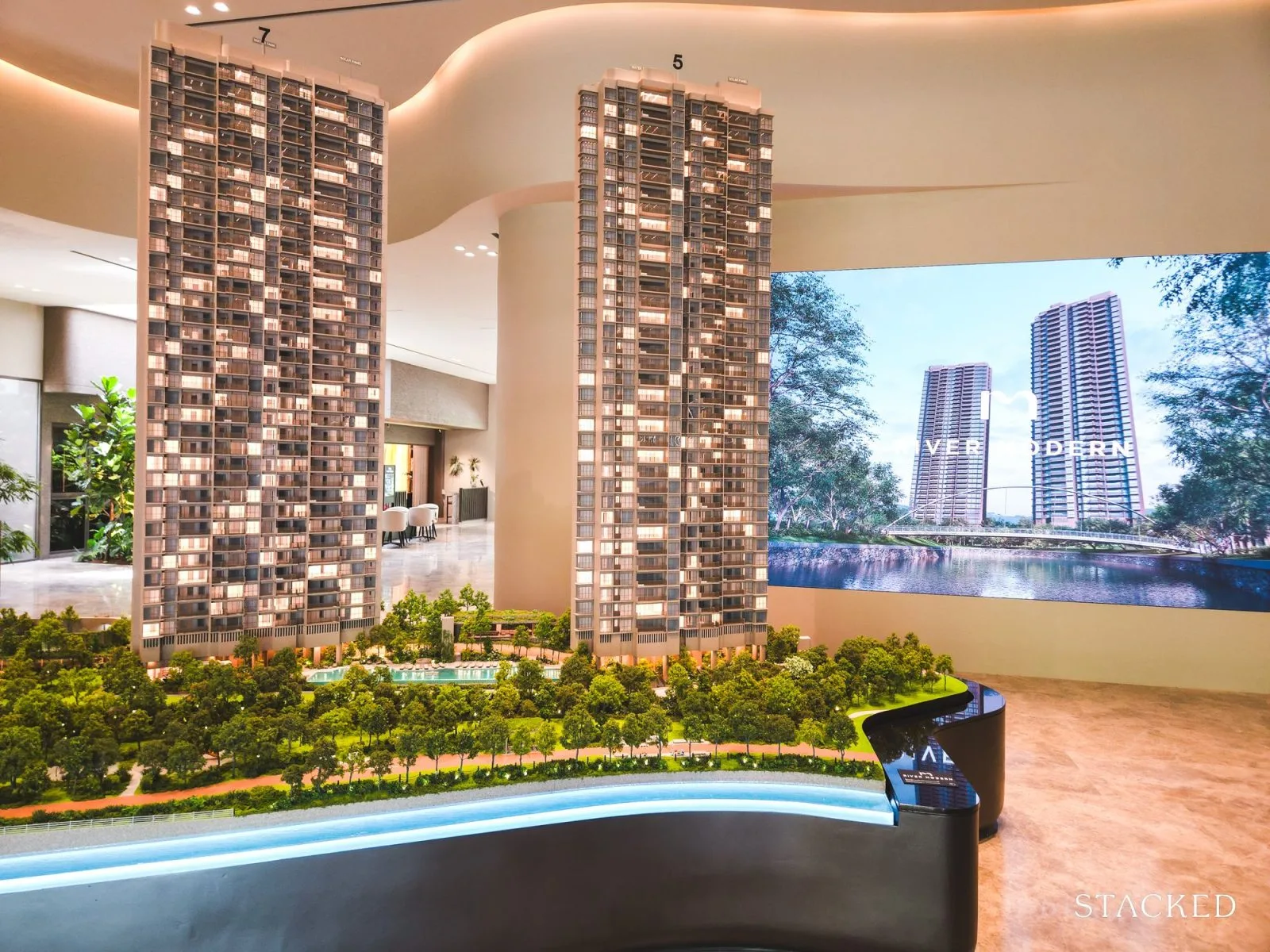

Singapore, one of the most densely populated countries in the world, faces significant challenges related to land scarcity, urban heat, and environmental sustainability. In response, the city-state has developed a range of policies and urban planning strategies focused on building a livable and resilient urban environment. Among these strategies, rooftop gardens have emerged as a key element in Singapore’s sustainability framework, blending environmental goals with innovative architectural solutions.
Environmental Benefits of Rooftop Gardens
Rooftop gardens contribute significantly to mitigating the urban heat island (UHI) effect. In densely built environments, concrete and asphalt surfaces absorb and retain heat, raising ambient temperatures. By introducing vegetation on rooftops, surface temperatures can be reduced through evapotranspiration and shading. Studies in Singapore have shown that rooftop greenery can lower roof surface temperatures by up to 10–20°C, contributing to overall urban cooling.
Additionally, rooftop gardens help manage stormwater. Singapore’s tropical climate is characterized by heavy rainfall, which places pressure on its drainage systems. Green roofs act as sponge-like structures, absorbing rainfall and reducing runoff rates. This not only decreases the likelihood of flash floods but also improves water quality through natural filtration.
Improving Urban Biodiversity
Rooftop gardens also serve as microhabitats for urban biodiversity. Though limited in scale compared to ground-level parks, these spaces can support pollinators such as bees and butterflies, as well as small birds and insects. In Singapore, where green space is at a premium, rooftop gardens expand the ecological network within the built environment and contribute to the city’s broader vision of a “City in Nature.”
Policy Support and Implementation
The Singaporean government has introduced several initiatives to support rooftop greenery. Notably, the Skyrise Greenery Incentive Scheme (SGIS), launched by the National Parks Board (NParks), offers financial incentives for building owners to install rooftop and vertical greenery. Since its inception, hundreds of projects have been supported under this scheme, leading to the greening of commercial, residential, and public buildings across the island.
Rooftop gardens are also encouraged through the Green Mark Scheme, which awards points for green building features, including green roofs. These incentives have helped normalize the integration of rooftop gardens into new developments and retrofits.
Urban Agriculture and Community Engagement
Beyond environmental gains, rooftop gardens in Singapore are increasingly being used for urban agriculture. Several public housing estates and commercial buildings have developed rooftop farms that produce herbs, vegetables, and fruits. While not intended to replace large-scale food systems, these farms contribute to Singapore’s broader goal of enhancing food security and reducing reliance on imports.
Community-led rooftop gardens have also gained traction. These spaces offer residents the opportunity to participate in gardening, build social ties, and learn about sustainability practices. In a high-density living environment, such initiatives enhance well-being and promote a sense of ownership over shared spaces.
Design and Maintenance Considerations
Despite their benefits, rooftop gardens require careful planning and maintenance. Structural integrity is a primary concern; not all buildings are designed to support the additional weight of soil, plants, and irrigation systems. Water management, plant selection, and access for maintenance are also critical factors that influence the success of these installations.
To address these challenges, developers often work with landscape architects and horticulturists to design lightweight systems that balance aesthetics with functionality. Ongoing maintenance is essential to prevent plant dieback, manage pests, and ensure long-term viability.
Looking Ahead
As Singapore continues to pursue its sustainability goals, rooftop gardens are likely to play an increasingly important role. Innovations such as sensor-based irrigation, solar integration, and modular green roof systems are helping to make rooftop greenery more efficient and adaptable. The inclusion of such spaces in planning guidelines and building codes reflects the government’s long-term commitment to sustainable urban development.
In conclusion, rooftop gardens in Singapore are not merely decorative features but integral components of a broader environmental and social strategy. By transforming underutilized spaces into productive, green assets, Singapore continues to demonstrate how dense urban areas can adopt sustainable solutions that benefit both people and the planet.