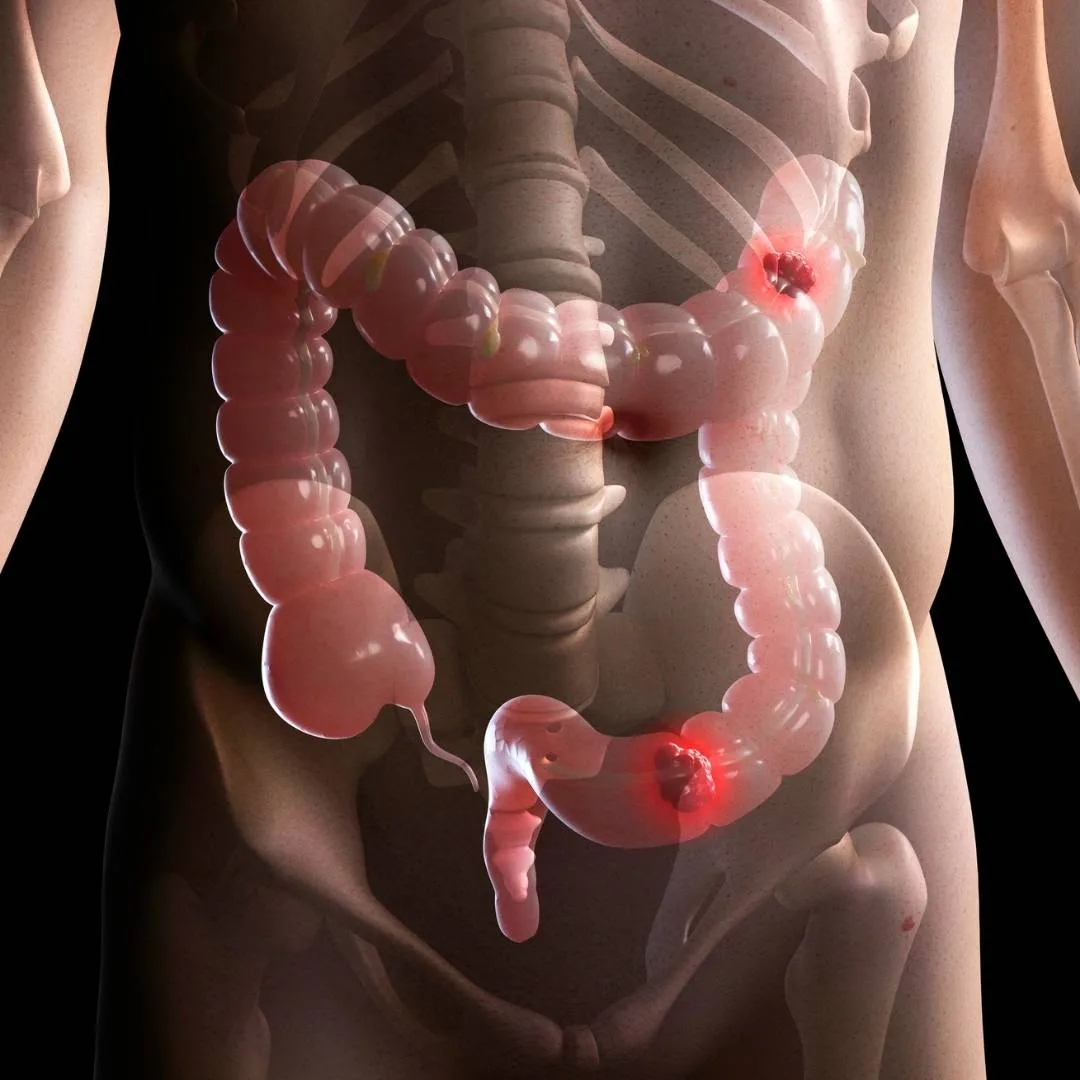
The landscape of surgical oncology has transformed dramatically with the introduction of minimally invasive techniques. For patients navigating a new diagnosis, choosing the right approach is a vital factor in both removing the tumor and ensuring a smooth post-operative life. Robotic-assisted procedures have emerged as a highly advanced standard of care, offering significant improvements over traditional open operations. Understanding how this technology integrates into a comprehensive colon cancer treatment strategy can help families make informed medical decisions with confidence.
What is Robotic Colon Surgery?
Robotic colon surgery is an advanced form of laparoscopic or minimally invasive surgery. Instead of making a large abdominal incision, a surgical oncologist operates through a few tiny, keyhole-sized cuts. The surgeon sits at a specialized computer console in the operating room, controlling high-precision robotic arms equipped with surgical instruments and a high-definition 3D camera.
Every movement made by the surgeon's hands is translated in real-time into micro-movements inside the patient's body. This allows for a level of stability, flexibility, and visibility that far exceeds human hands alone.
Major Benefits of the Robotic Approach
When utilizing robotic systems during a colectomy (the removal of a cancerous segment of the large intestine), patients experience several critical clinical advantages:
- Enhanced Precision and Visibility: The 3D camera provides a magnified view of the abdominal cavity. This allows the surgeon to clearly distinguish between malignant tissues, healthy blood vessels, and delicate pelvic nerves, ensuring thorough tumor removal while protecting adjacent vital structures.
- Lower Risk of Complications: Because the small incisions limit tissue trauma, the risk of intraoperative blood loss and post-operative surgical site infections is significantly minimized compared to traditional open abdominal surgery.
- Faster Recovery and Less Pain: Minimally invasive entry points cause much less muscle disruption. Patients generally report lower levels of post-operative pain, require fewer narcotic painkillers, and can sit up, walk, and consume foods much sooner after the operation.
- Shorter Hospital Stays: Due to accelerated healing times, individuals undergoing robotic resections are often safely discharged days earlier than those who undergo traditional open surgeries, allowing them to return to the comfort of their homes.
The Preservation of Normal Function
One of the most profound benefits of robotic surgery in lower GI tract tumors is its ability to perform sphincter-saving resections. In the past, advanced rectal or low colon tumors often required the complete removal of the bowel mechanism, resulting in a permanent colostomy bag.
The enhanced articulation and precision of robotic instruments allow oncologists to safely operate deep within the narrow pelvic cavity. This drastically increases the likelihood of successfully reconnecting healthy bowel tissue, allowing the patient to preserve natural bowel function and live a normal life post-recovery.
Post-Operative Recovery Timeline
While recovery depends on individual health markers and the exact stage of the tumor, the typical timeline following a robotic colectomy is highly streamlined:
- Hospital Phase (Days 1–4): The medical team monitors bowel sounds and manages pain. Patients are encouraged to move and walk early to stimulate intestinal tract motility.
- Home Rest Phase (Weeks 1–3): Strenuous physical exertion or heavy lifting must be avoided. A low-residue, easily digestible diet is typically recommended to allow the newly sutured internal connections to heal perfectly.
- Long-Term Follow-Up: Once the pathology report confirms clean surgical margins, the patient transitions back to regular monitoring or moves forward with adjuvant chemotherapy if required by their multi-disciplinary oncology board.
Consult an Advanced Cancer Surgeon
Robotic surgery requires exceptional specialized training and a dedicated focus on patient safety. Experienced surgical oncologists, such as Dr. Mihir Shah at Shalby Hospitals, utilize these cutting-edge, evidence-based techniques to optimize functional outcomes and protect your overall well-being. Seeking an early surgical evaluation ensures access to modern, high-precision pathways built around long-term curative success.
For more information: