In today’s online world, trust is everything. Whether you're running a personal blog, a small business, or a large online store, how your website looks and functions has a major impact on how users see your brand. And one of the most important factors in building that trust is responsive design.
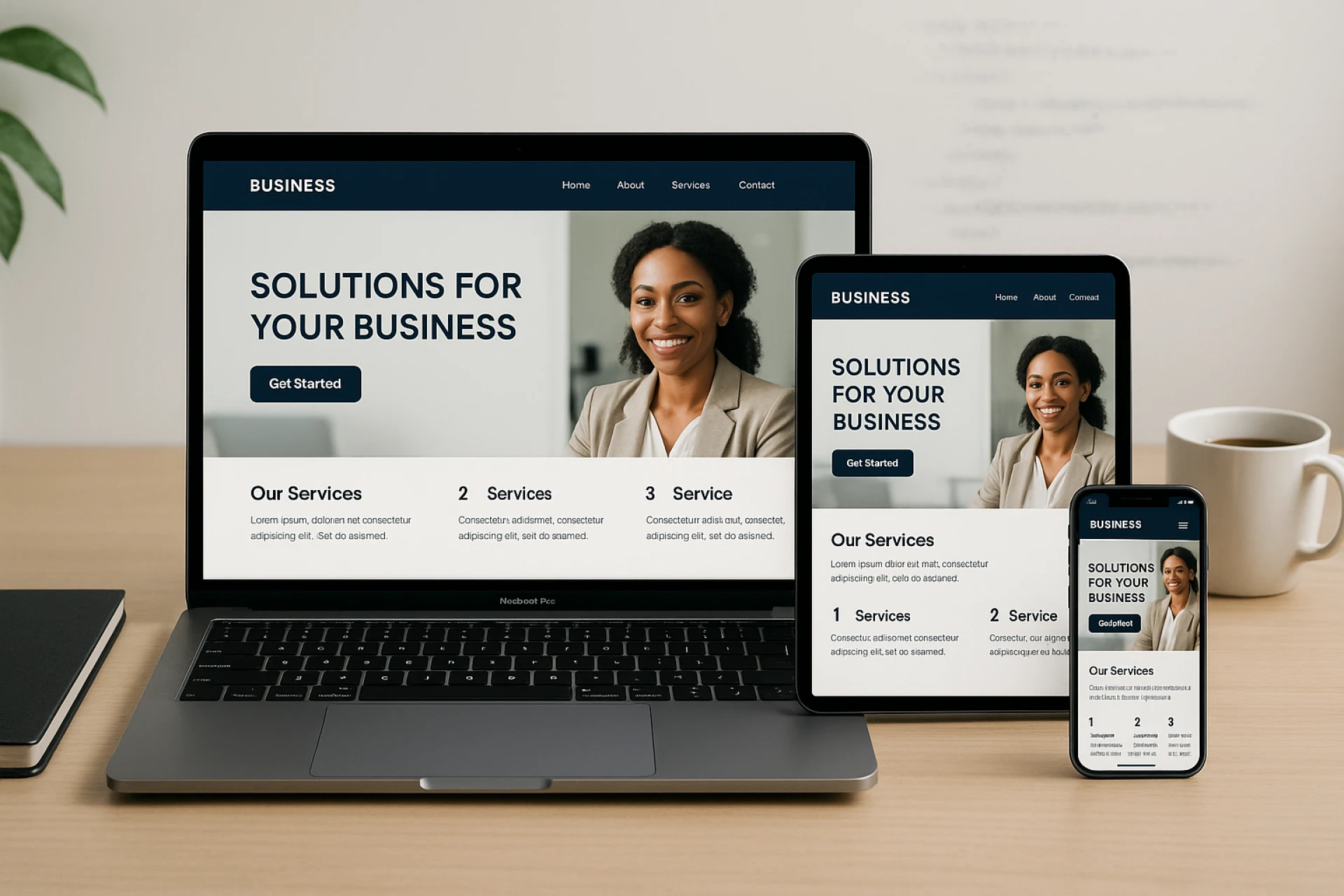
Responsive web design ensures your website works well on every device—smartphones, tablets, laptops, and desktops. It adjusts the layout, text, and images so users get the best experience no matter what screen they’re using. In short, it makes your website user-friendly, modern, and trustworthy.
Why Trust is So Important Online
When people land on your website, they make a judgment within just a few seconds. A clean, functional layout gives the impression that your business is reliable and professional. On the other hand, if the site is difficult to navigate, loads slowly, or looks broken on mobile, users may feel uncertain or frustrated—and leave.
Trust leads to action. It influences whether a visitor will read more, sign up for a newsletter, contact you, or make a purchase. That’s why responsive design is more than just a technical feature—it’s a critical part of your business success.
How Responsive Web Development Builds Trust
- Consistent Experience Across Devices
A responsive website looks and feels consistent, whether someone visits from a phone, a tablet, or a desktop computer. This consistency tells users that your brand cares about quality and details. It shows that you’re serious about delivering a good experience to all visitors, which helps build trust.
- Improved Readability and Navigation
When content is easy to read and buttons are easy to click, people stay on your site longer. Responsive design improves the way users interact with your content. It removes distractions like zooming, scrolling sideways, or trying to tap tiny links. This comfort makes visitors feel more in control and confident in using your site.
- Fast Loading Speeds
Slow websites turn users away quickly. A responsive site is often designed with performance in mind. It loads faster on mobile networks and adapts to the device's screen resolution, reducing unnecessary data use. Faster speed equals better satisfaction—and more trust.
- Professional Appearance
Looks matter. A responsive design ensures your images, fonts, and layout remain polished and aligned, no matter the screen size. Broken elements or messy formatting suggest a lack of attention to detail. A sleek, well-structured responsive website leaves a positive impression that builds credibility.
- Better Search Engine Ranking
Search engines like Google favor responsive websites. When your site ranks higher in search results, it not only brings more visitors but also signals trustworthiness to those who find you online. This is why responsive web development is important not only for user experience but also for visibility.
Real-Life Example
Imagine you're looking for a local electrician. You find two websites. The first one loads quickly, looks clean on your phone, has a simple call-to-action button, and the contact details are easy to find. The second one takes too long to load, looks jumbled, and requires zooming to read anything.
Which one would you trust? Most users choose the one that offers a smoother experience—and that's made possible by responsive design.
Key Features That Inspire Confidence
To make your responsive site trustworthy and user-friendly, consider including these key features:
- Clear and readable fonts that scale properly on all screen sizes.
- High-quality images that adjust without losing quality.
- Easy-to-tap buttons and links, especially on mobile devices.
- Simple and clear navigation that doesn't get lost or cut off on smaller screens.
- Visible contact details and support information, accessible from every device.
- Consistent branding and color scheme, which reinforce recognition.
Responsive Web Development and Accessibility
Another important aspect of trust is inclusivity. A well-executed responsive website supports web accessibility. This means users with visual, mobility, or cognitive impairments can still navigate and use your website effectively.
Responsive websites that follow accessibility best practices (like using proper heading tags, alt text for images, and keyboard navigation) show that your brand is inclusive and thoughtful. This earns you trust not just from a technical standpoint, but from a human one too.
Tools and Practices for Building Trust Through Responsive Design
Here are a few practical tools and tips to help ensure your responsive site builds confidence:
- Use a mobile-first design approach: Start by designing for the smallest screen and scale up. This ensures your site works great where it's most needed—on mobile.
- Test on multiple devices: Check how your site looks and performs on phones, tablets, and desktops.
- Use frameworks like Bootstrap or Tailwind CSS: These offer built-in responsive components that help you save time and maintain consistency.
- Compress and optimize images: This helps speed up your website and keeps it looking professional.
- Make forms and buttons user-friendly: Make sure all input fields are readable and tappable on all screen sizes.
Responsive Web Development Is an Ongoing Process
Even after launching your site, maintaining trust through responsive web development means regular updates and testing. As new devices and technologies emerge, make sure your website continues to perform well. Monitor how users interact with it, fix bugs quickly, and look for ways to improve the mobile and desktop experience.
Final Thoughts
Trust is the foundation of every successful website, and responsive design is a key part of earning that trust. It shows your visitors that you care about their time, comfort, and satisfaction. Whether you’re attracting new customers, growing your brand, or sharing information, a responsive site sets you apart.
By investing in responsive web development, you're not just improving design—you’re creating better relationships with your users. And in the long run, those relationships are what lead to growth, loyalty, and success.