
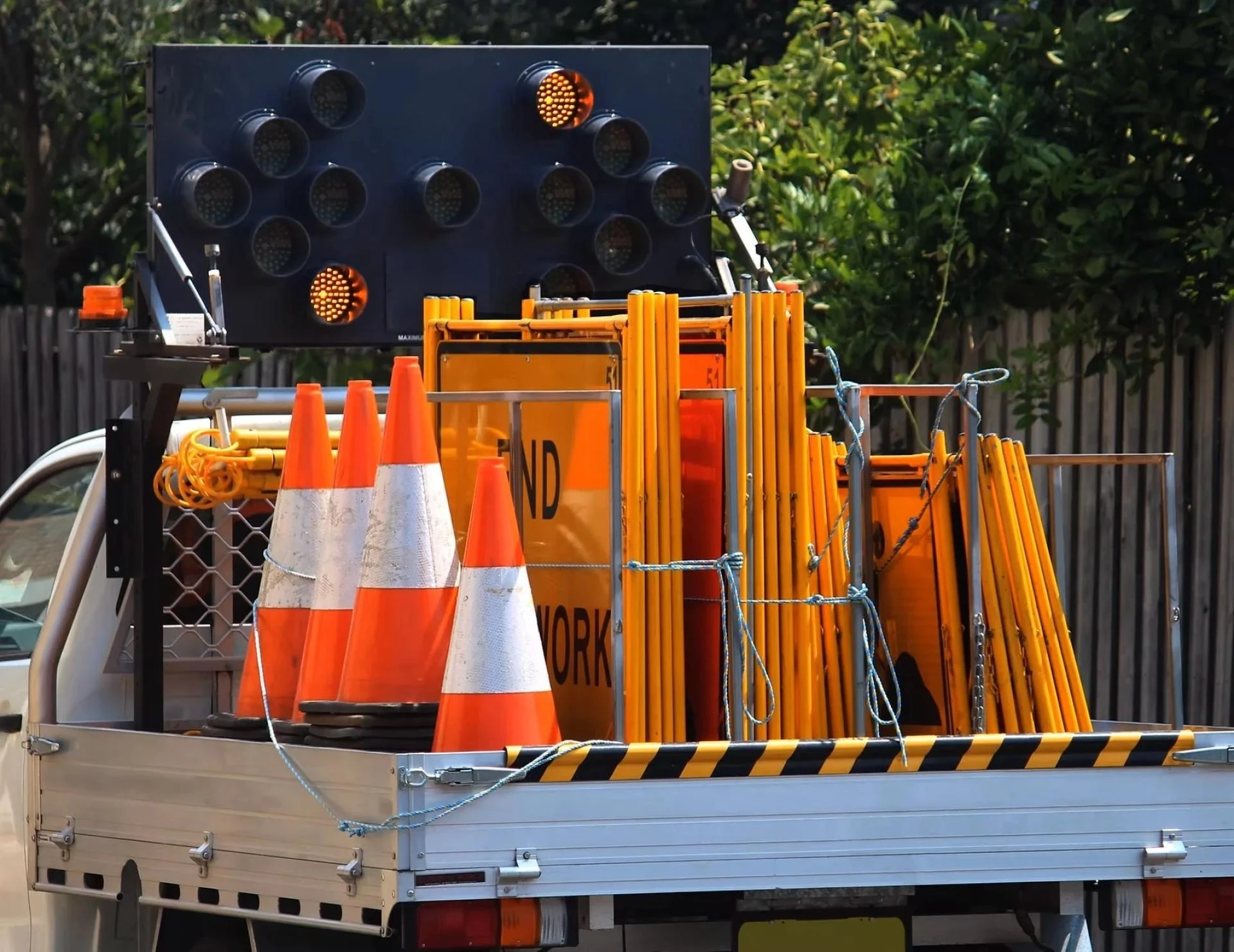
As urban development continues to expand across Australia, construction and infrastructure projects are increasingly taking place in high-traffic environments. Roads, footpaths, and public access areas often remain active while works are underway, creating complex safety challenges. Managing these environments effectively requires more than temporary signs and barriers—it demands a structured, compliant, and professionally designed traffic approach.
Well-executed traffic solutions protect workers, road users, and pedestrians while ensuring projects progress efficiently and without unnecessary disruption.
Why Traffic Management Must Be Planned, Not Reactive
One of the most common mistakes on worksites is treating traffic control as an afterthought. Reactive setups often lead to confusion, unsafe conditions, and compliance issues. Proper Traffic Management Planning addresses these risks before work begins by assessing site conditions, surrounding traffic volumes, speed zones, and pedestrian movement.
This forward-thinking approach allows hazards to be identified early and mitigated through clear layouts, appropriate controls, and documented procedures. Planning ahead also reduces last-minute changes that can delay approvals or disrupt schedules.
The Value of Structured Traffic Planning
Effective Traffic Planning plays a crucial role in maintaining steady traffic flow around active worksites. Rather than simply diverting vehicles, it considers how drivers, cyclists, and pedestrians will naturally move through or around the area.
By designing intuitive traffic paths and clear transitions, planners reduce the likelihood of sudden braking, illegal turns, or confusion. This not only improves safety but also minimises congestion, helping projects coexist more smoothly with surrounding communities.
Why Every Worksite Needs a Clear Traffic Control Plan
A detailed Traffic Control Plan is the backbone of safe on-site traffic management. It provides a visual and written guide outlining how traffic will be controlled, including signage placement, lane closures, detours, and exclusion zones.
These plans are essential for regulatory compliance and council approvals, but their true importance lies in consistency. When crews have a clear plan to follow, setups are more accurate, inspections are smoother, and safety standards are maintained across shifts and stages of work.
Managing High-Risk Areas with Traffic Guidance Schemes
Some environments require more than standard traffic controls. Busy arterial roads, high-speed zones, and long-term infrastructure projects often demand engineered solutions. TGS Traffic Management is designed for these complex situations, providing structured systems that guide traffic safely through or around worksites.
Traffic Guidance Schemes help manage risk where margins for error are small. They are particularly valuable on projects where traffic volumes remain high and worker exposure to live traffic is unavoidable.
The Importance of Local Expertise in Melbourne
Traffic conditions and regulatory requirements vary significantly between regions. Working with specialists who understand local standards can make a substantial difference to project outcomes. TGS Melbourne solutions are developed with Victorian legislation, council expectations, and local traffic behaviour in mind.
Local knowledge supports faster approvals, more practical designs, and better anticipation of peak traffic challenges. This results in traffic setups that are both compliant and realistic for real-world conditions.
Minimising Risk, Delays, and Liability
Poor traffic management increases the likelihood of incidents, complaints, and enforcement action. These issues can lead to costly delays, reputational damage, and even project shutdowns. Professionally designed traffic solutions reduce these risks by ensuring all controls are documented, approved, and implemented correctly.
From a financial perspective, effective traffic management also helps control costs. Fewer incidents mean reduced downtime, lower insurance exposure, and smoother coordination between contractors and authorities.
Supporting Workers and Public Safety
Workers operating near live traffic rely on predictability and clear boundaries to stay safe. Well-planned traffic layouts reduce sudden vehicle movements and create defined work zones that allow crews to focus on their tasks rather than constantly monitoring passing traffic.
For the public, clear signage and logical detours improve understanding and reduce frustration. When road users feel informed and safe, compliance increases and negative interactions around worksites decrease.
Adapting Traffic Controls as Projects Evolve
Traffic requirements are rarely static. As projects move through different stages, access points change, lanes shift, and work zones expand or contract. Professional traffic planning accounts for these changes through staged plans that evolve with the project.
This adaptability ensures safety controls remain effective throughout the entire project lifecycle, not just at the start. It also helps maintain compliance as site conditions change.
Conclusion: Investing in Safer, Smarter Traffic Outcomes
Traffic management is a critical component of modern construction and infrastructure delivery. When handled professionally, it protects lives, supports efficiency, and strengthens public confidence in how projects are delivered.
For organisations seeking reliable, compliant, and expertly designed traffic solutions, OnPoint TGS Plans provides professional traffic planning and guidance schemes that support safer worksites and smoother project delivery across Melbourne and beyond.