Sustainable building strategies cutting down environmental impact while maximizing efficiency are in great demand, with further urbanization pushing upwards throughout the world. The pre-engineered building, or PEB, is a method that is gaining tremendous amounts of notice.
The traditional way that urban development has gone about matters is being turned right on its head by these structures, designed and constructed away from the point at which they'll be assembled into place. Let's consider PEB buildings' uses, advantages, and how working with a PEB manufacturer can assist in creating greener, more energy-efficient cities.
What is a Pre-Engineered Building (PEB)?
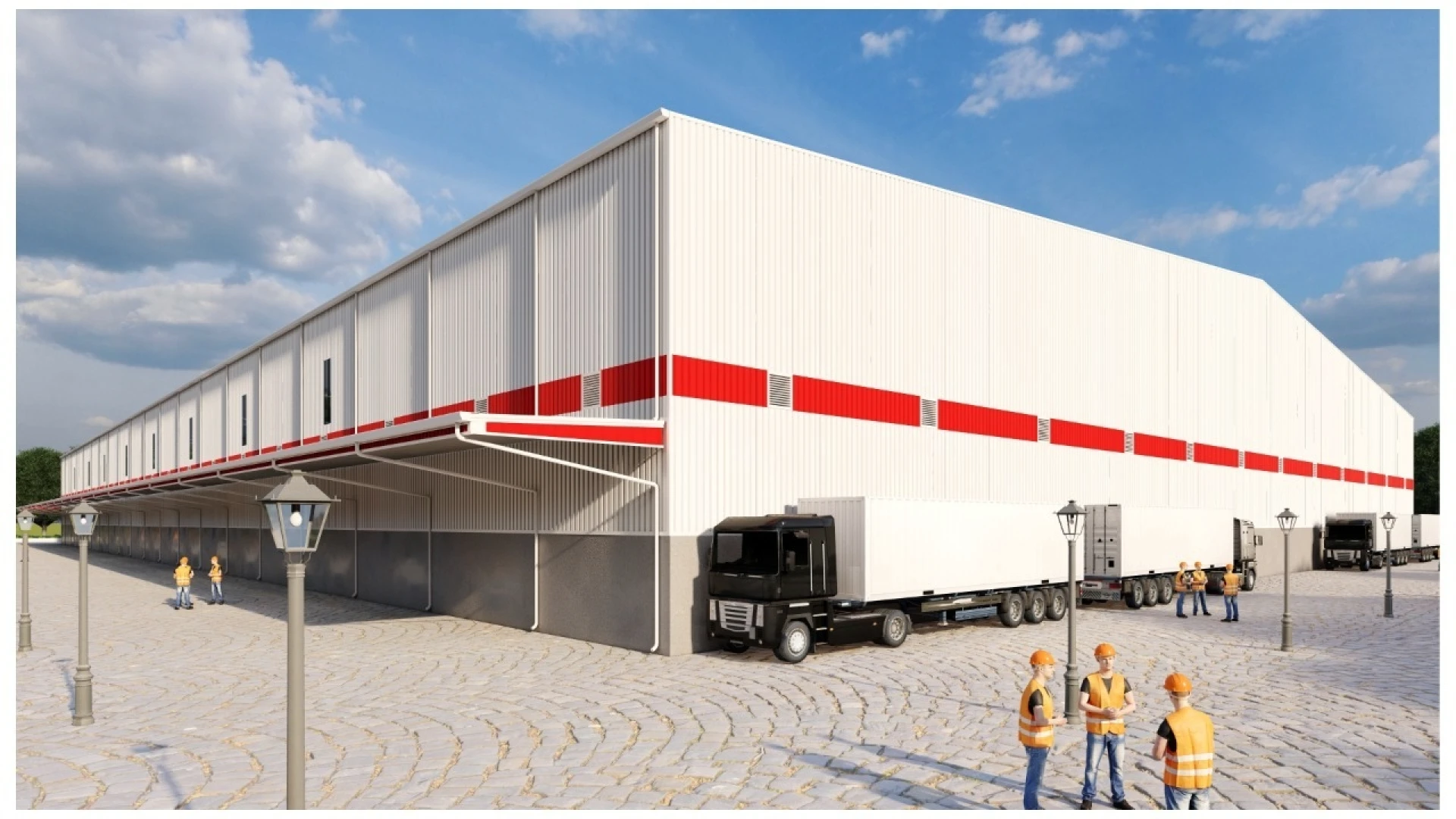
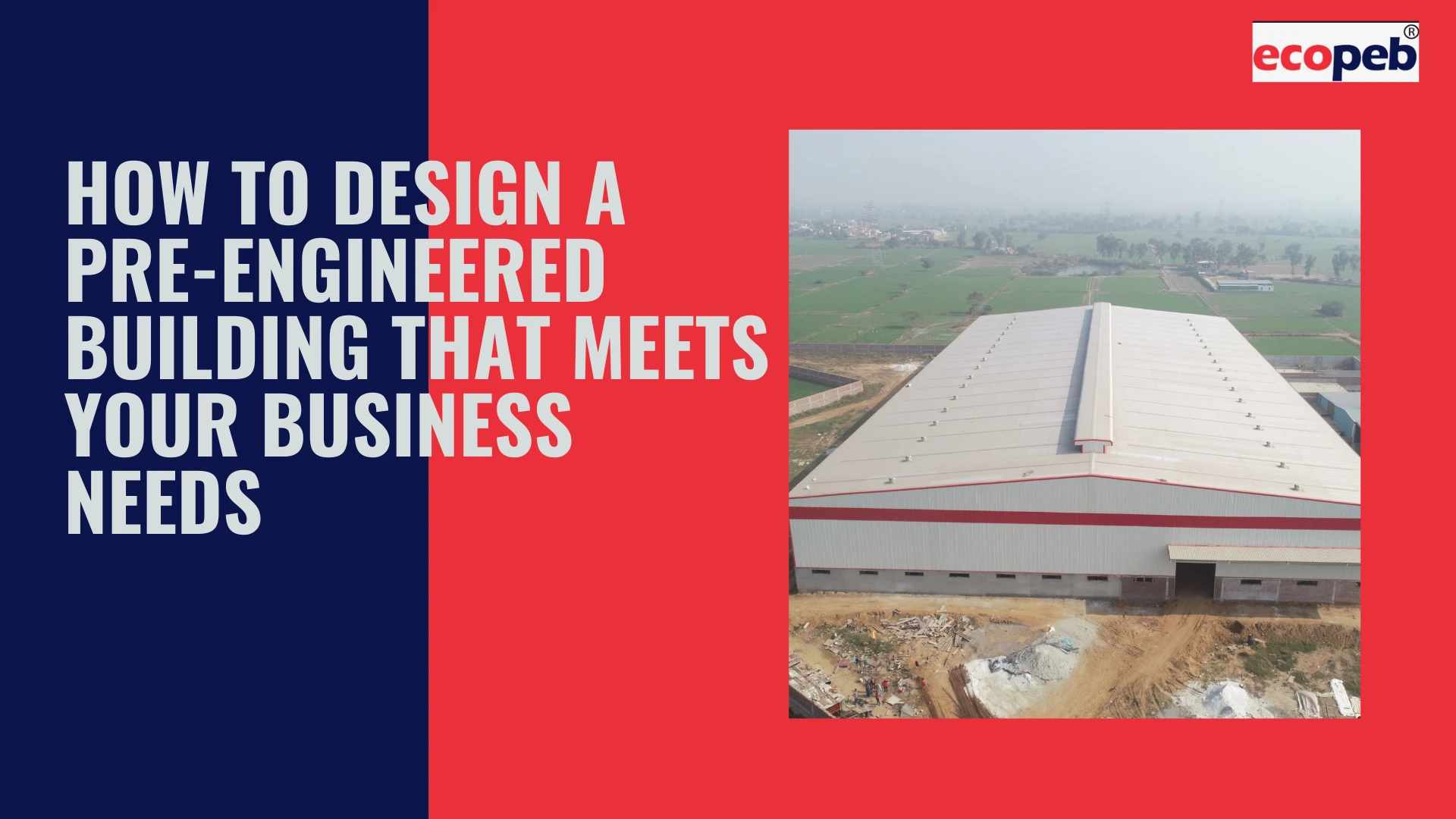
A pre-engineered building is a form of construction system that is factory-designed and prefabricated according to custom specifications prior to shipment and on-site assembly. The main distinction between conventional buildings and PEB buildings is the design and production process, where there is added control, minimized material wastage, and accelerated construction time.
PEB systems usually consist of structural elements like steel frames, wall panels, roof systems, and insulation material, all of which are designed to fit together perfectly. The process enables modularity, flexibility, and the integration of energy-efficient features.
Why Choose a Pre-Engineered Building?
PEB buildings are increasingly being used for sustainable urban development for a variety of reasons:
1. Resource-efficient and environmentally efficient
Arguably the most important advantage of PEB construction is its ability to reduce waste.
Since the components are made in a factory environment that can be controlled, there is much less possibility of unwanted waste than with standard on-site building practices.
Further, the parts that are employed in PEB solutions are often chosen due to durability and recyclability to minimize the negative environmental effects of building projects.
2. Quicker Building and Less Effect on the Environment
When compared to conventional approaches, the PEB structure construction process is considerably faster. There are fewer interruptions and less harm to the environment at the construction site because almost all of the work is completed off-site.
3. Long-Term Savings and Energy Efficiency
In comparison to traditional buildings, a PEB manufacturer would be able to create more energy-efficient, insulated structures. Because these pre-engineered buildings tend to be designed to have maximum natural light and minimize heat loss, mechanical heating and cooling is not as necessary.
This ultimately translates into huge energy savings and less expense for the building to maintain.
4.Affordable Construction
Working together with a PEB producer is cost-effective for developers and companies in the cost of expansion. PEB buildings are more cost-effective than conventional buildings in terms of the economic manufacturing process, which saves on labor and material costs. Low maintenance requirements and energy efficiency of PEBs also maintain low operating costs throughout the life of the building.
5. Modular and Flexible Structure
One of the strongest advantages of PEB buildings is their flexibility. These buildings can be easily expanded, reorganized, or repurposed when needed. The flexibility decreases the need for demolition and reconstruction since cities can develop and adapt over time.The potential for developing and adapting PEB buildings is a crucial advantage in green city planning because cities are increasingly being forced to accommodate increasing populations.
How a PEB Producer Promotes Sustainable Development
Collaborating with a peb manufacturer provides you with access to a range of information on green construction methods. PEB manufacturers are experts in building buildings to green building standards like BREEAM (Building Research Establishment Environmental Assessment Method) and LEED (Leadership in Energy and Environmental Design). They can integrate green features like:
- Solar arrays
- Rainwater harvesting systems
- Insulation and materials that use less energy
- HVAC systems and LED lighting
Partnering with an established PEB producer guarantees your project will reap long-term environmental benefits as well as meeting sustainability requirements.
The Future of Urban Development: PEBs as a Sustainable Solution
As cities continue to grow and face environmental challenges, PEB buildings are becoming a crucial part of sustainable urban development. These structures offer a highly efficient and environmentally friendly alternative to traditional construction methods. From faster construction times to lower energy consumption, pre-engineered buildings are paving the way for greener, more sustainable cities.
The application of PEB in urban planning is in the right direction today and tomorrow. As the world becomes increasingly interested in sustainability, hiring a trustworthy PEB manufacturer will help communities build the facilities they require without compromising the environment.
Finally, because pre-engineered structures are efficient, adaptable, and environmentally friendly, they are also a feature of modern urbanization. Using PEB construction, the construction firms are capable of creating stronger and more environmentally friendly communities while improving the future environment.