
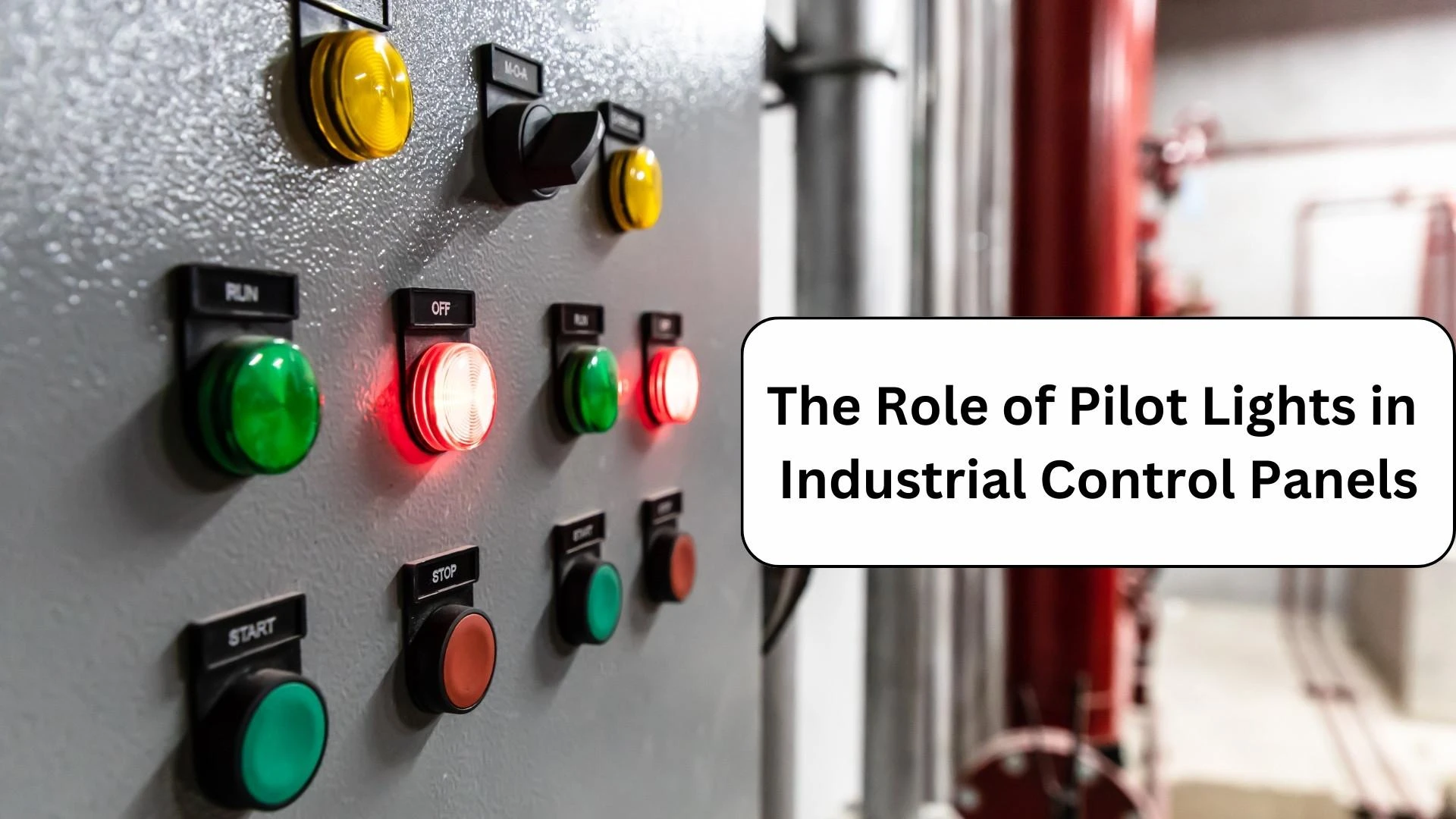
Pilot lights may be small, but their impact on control systems is significant. These indicator lights provide immediate visual feedback on equipment status, helping operators stay informed, improve safety, and make quick decisions.
Pilot lights are essential to efficient system monitoring, whether used in a manufacturing plant, utility system, or HVAC panel. Let’s explore how they work, where they’re used, and how modern versions of Pilot LED lights are improving reliability and energy efficiency.
What Are Pilot Lights?
Pilot lights, also known as indicator lights, are simple visual signals mounted on control panels. They show conditions such as power on/off, operational status, warnings, or faults—typically using a color-coded system: green for normal, red for faults, and amber for warnings.
They are key components in industrial control panels, often used alongside switches and relays for system monitoring and diagnostics.
How Pilot Lights Work
Pilot lights are wired into circuits that reflect the state of a device or process. When a condition is met—like a machine starting or a fault occurring—the corresponding light illuminates.
LED pilot lights have become the modern standard, replacing incandescent types due to their:
- Longer lifespan
- Energy efficiency
- Reduced heat output
- Resistance to shock and vibration
As industries move toward smarter and more automated systems, it's important to understand how control devices like pilot lights fit into broader trends. Insights from the Industrial Control Market Analysis (2024–2030) highlight the growing demand for reliable visual indicators as part of smarter factory setups.
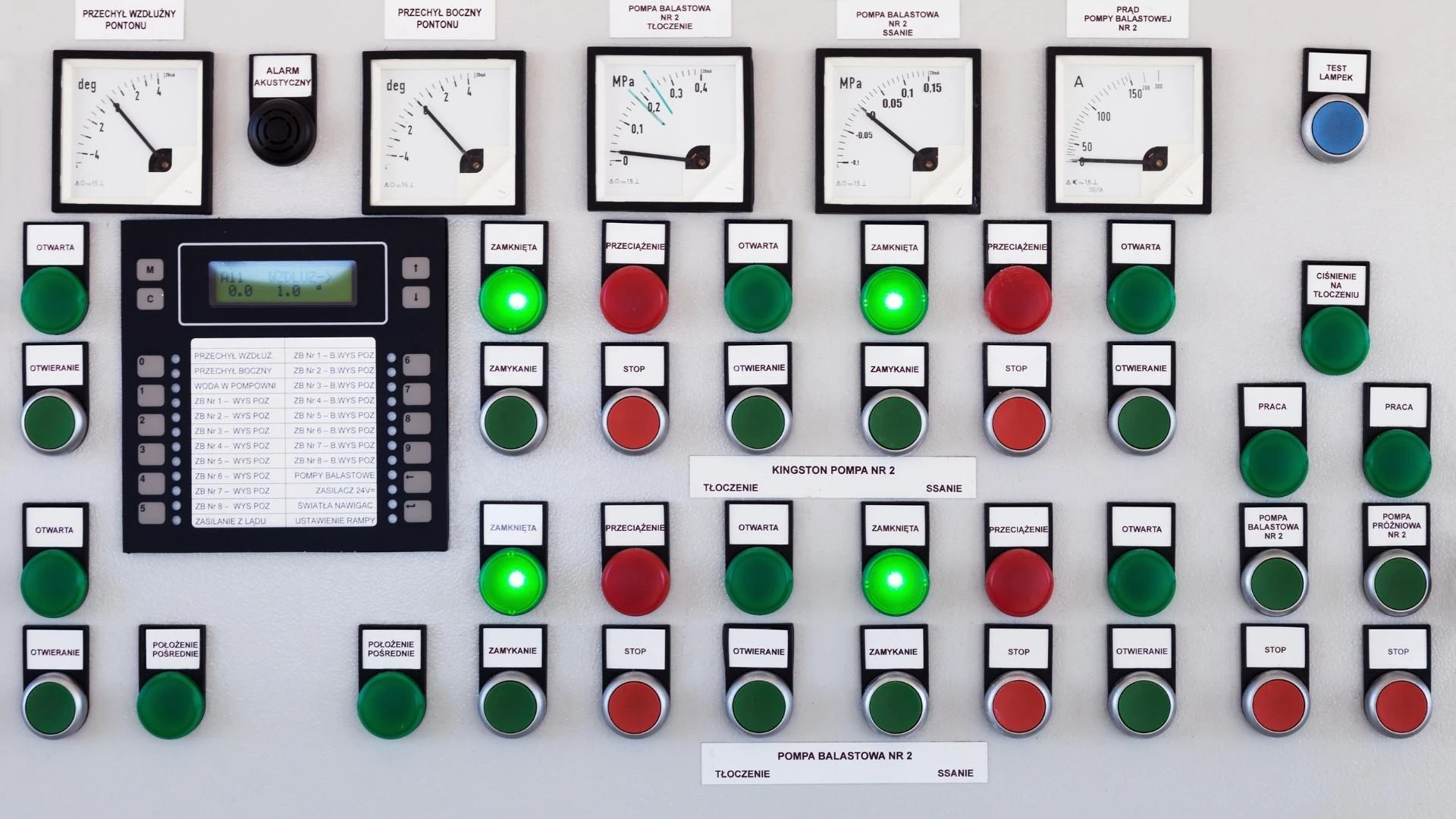
Why Pilot Lights Are Gaining Attention
1. Industrial Automation Requires Clear Feedback
In smart factories and automated systems, real-time status indication is vital. Pilot lights enable quick diagnostics without the need for deeper system checks.
2. LED Technology Enhances Performance
Facilities are upgrading to LED indicator lights for better durability and lower power usage. They also require less maintenance.
3. Improved Workplace Safety
Clear visual signals help meet safety compliance by alerting operators to machine states or hazards. This is especially critical in emergency shutdown or lockout/tagout procedures.
4. Better User Interface Design
Modern control panels use customized lights—different colors, shapes, and symbols—for a more intuitive operator experience.
For a deeper look at the types, applications, and benefits of pilot lights in different industries, you can also refer to this detailed guide on Pilot Lights: Types, Applications, and Benefits, which breaks down their evolving role in today’s control systems.
Where Pilot Lights Are Commonly Used
Pilot lights are integrated into a wide range of systems, including:
- Manufacturing machinery
- Electrical switchboards
- Process control equipment
- HVAC units
- Elevator and lift systems
- Power distribution boards
In each case, they simplify system status monitoring and troubleshooting.
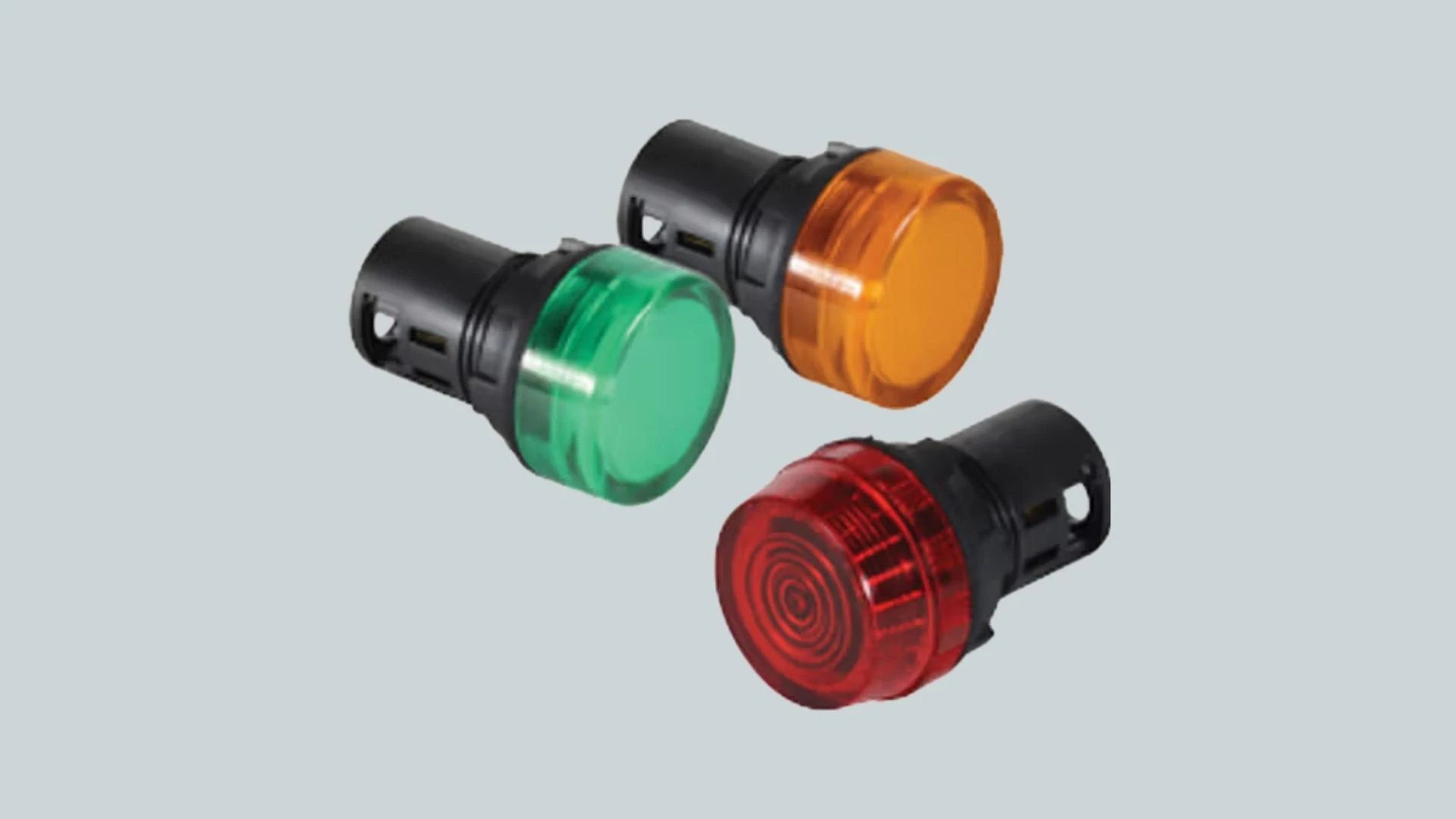
Choosing the Right Pilot Light
When selecting a pilot light, consider:
- Voltage rating (12V, 24V, 120V, etc.)
- Color for signal clarity (green, red, amber, blue, white)
- Mounting size (typically 22mm or 30mm, with compact options like 13 mm Pilot LED Lights for space-constrained panels)
- Light source (LED is preferred)
- Environmental protection (IP/NEMA ratings for dust, moisture, or outdoor use)
Installation Tips
- Ensure power is disconnected before installation
- Follow the correct wiring instructions
- Match the cutout size and mounting hardware
- Test functionality with control logic
Enhancing Panel Design with the Right Pilot Lights
As industries continue to advance toward smarter and more automated systems, the need for clear, reliable visual indicators becomes even more important. Pilot lights are not just status signals—they're key components in building intuitive, safe, and efficient control panels.
Whether you're designing a new system or upgrading an existing one, choosing the right LED pilot lights can enhance usability, reduce maintenance, and support faster response times on the factory floor. With the right selection and installation, pilot lights play a pivotal role in optimizing operational visibility and safety across industries.