Bone fractures are common injuries that can result from accidents, falls, sports activities, or underlying medical conditions like osteoporosis. While minor fractures may heal with rest and immobilization, more severe or complex breaks often require surgical intervention. This is where orthopedic implants come into play—offering the structural support needed for effective healing and full functional recovery.
Orthopedic implants are medical devices designed to stabilize broken bones, restore alignment, and hold bone fragments together while natural healing takes place. They are typically made from biocompatible materials such as titanium and stainless steel, which ensure safety, strength, and long-term durability. These implants are commonly used in trauma surgeries, spinal procedures, and joint reconstructions.
Among the most widely used types of implants are plates, screws, rods, nails, and spinal cages. Each device serves a specific purpose based on the location and severity of the fracture. For example, locking plates are ideal for complex or osteoporotic fractures as they provide rigid fixation with minimal bone disruption. Similarly, intramedullary nails are inserted into the bone marrow canal and are used in long bone fractures like the femur or tibia, offering excellent load-sharing capabilities.
One of the major advantages of using orthopedic implants is the improved stability and alignment they provide. This helps in faster bone regeneration, reduces the risk of complications, and promotes early mobilization. In many cases, patients are able to resume daily activities much sooner compared to traditional treatment methods. The success of these implants also depends on factors such as surgical technique, implant design, and the patient’s overall health and bone quality.
Advancements in implant technology continue to improve surgical outcomes. Modern implants are now designed with enhanced geometries, corrosion resistance, and compatibility with imaging systems. Customization and pre-contouring options further ensure a better anatomical fit, leading to higher success rates and reduced recovery time.
In addition to trauma care, orthopedic implants are also widely used in joint replacement surgeries such as hip and knee arthroplasty. These procedures replace damaged joint surfaces with artificial components, restoring mobility and reducing pain, especially in elderly patients or those with degenerative joint diseases.
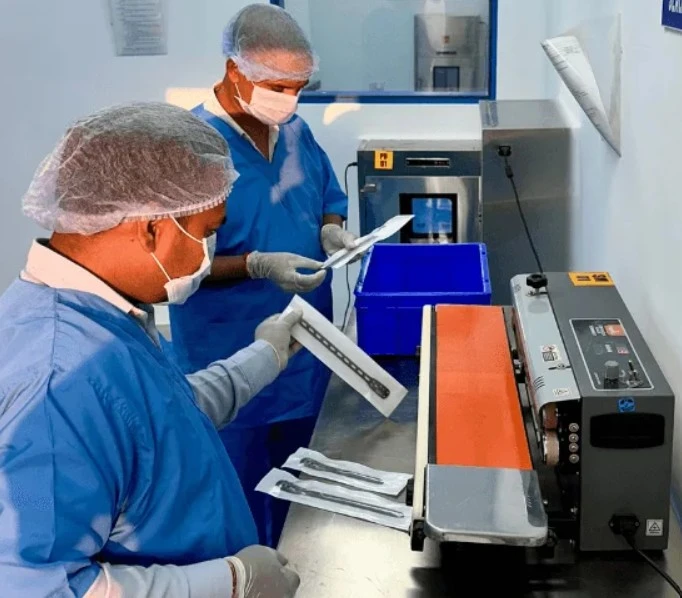
The use of orthopedic implants requires strict compliance with global safety and quality standards. Most products undergo rigorous testing and certification processes to ensure they meet regulatory requirements and function reliably within the human body.
In conclusion, orthopedic implants have revolutionized the way bone fractures and joint conditions are treated. They play a vital role in restoring function, reducing pain, and improving the quality of life for millions of people worldwide. As technology continues to evolve, orthopedic solutions are becoming safer, more effective, and more accessible to patients in need.<a href="https://aceosteo.com/about-us/">orthopedic implants</a>