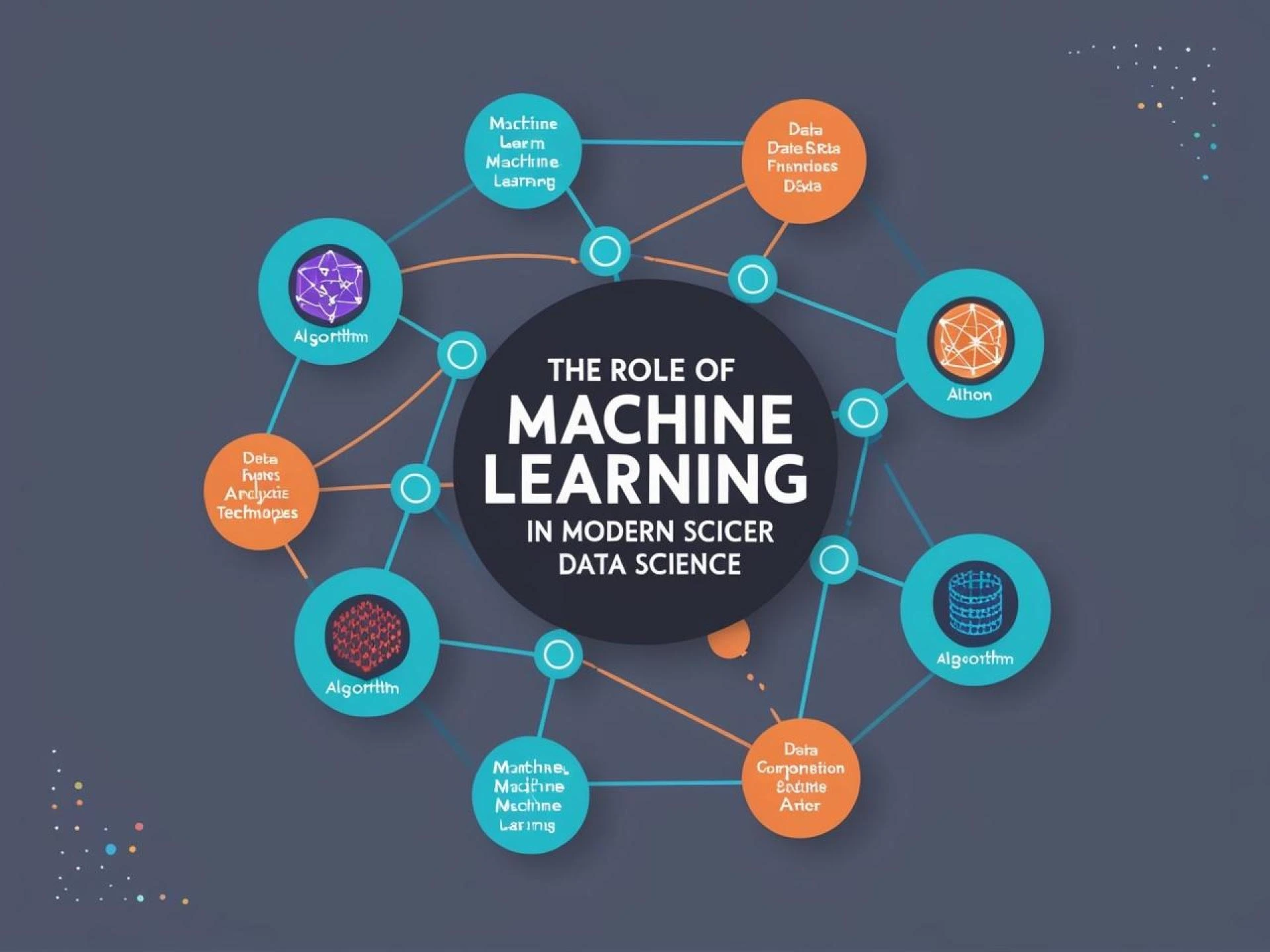
Data science has emerged as a critical field that helps organizations across industries unlock insights, make data-driven decisions, and create value from the vast amounts of information they generate. One of the most powerful and transformative aspects of modern data science is Machine Learning (ML), a subfield that is revolutionizing how we analyze, interpret, and predict outcomes based on data.
What is Machine Learning?
Machine learning is a branch of artificial intelligence (AI) that involves training computers to learn from data and make decisions or predictions without explicit programming. Instead of relying on fixed rules, ML algorithms can improve their performance over time by learning from past experiences (data) and applying that knowledge to new, unseen data. This ability to adapt and refine models based on incoming information is what sets ML apart from traditional computing methods.
The Role of Machine Learning in Data Science
In the context of data science, machine learning plays a pivotal role in several key areas:
1. Data Preparation and Cleaning
Data preparation is often the most time-consuming and challenging part of any data science project. Raw data is often incomplete, noisy, or inconsistent. Machine learning techniques can be employed to automate certain data-cleaning tasks, such as identifying outliers, filling in missing values, or detecting anomalies. This reduces the manual effort involved and ensures a higher-quality dataset for analysis.
2. Predictive Analytics
One of the most exciting applications of machine learning in data science is predictive analytics. By training models on historical data, data scientists can develop algorithms that predict future trends or behaviors. For instance, businesses use ML models to forecast sales, predict customer churn, or estimate demand for products. The predictive capabilities of machine learning provide companies with the tools to anticipate future outcomes and make proactive decisions.
3. Classification and Clustering
Machine learning enables data scientists to categorize data into predefined classes or group similar data points together. This is especially useful in tasks like image recognition, sentiment analysis, fraud detection, and customer segmentation. By using supervised learning techniques (like classification) or unsupervised learning (like clustering), machine learning algorithms can uncover patterns and relationships in data that would otherwise be difficult to detect.
4. Natural Language Processing (NLP)
Machine learning is at the heart of NLP, which allows computers to understand, interpret, and respond to human language. From chatbots to sentiment analysis and automated translation, ML algorithms are helping businesses and organizations better understand their customers and improve customer service. As natural language processing continues to advance, it is becoming a crucial tool for data scientists working with textual data.
5. Recommendation Systems
One of the most well-known applications of machine learning is in recommendation systems. Companies like Amazon, Netflix, and Spotify use ML algorithms to recommend products, movies, or music based on a user’s past behavior or preferences. These algorithms analyze vast amounts of data and make personalized suggestions that enhance user experience and drive engagement.
6. Anomaly Detection
Machine learning is also crucial in detecting anomalies or outliers in datasets. This is especially important in areas like fraud detection, cybersecurity, and monitoring industrial systems. By training machine learning models on normal behavior patterns, data scientists can identify when something deviates from the norm, signaling potential issues or fraudulent activities.
The Future of Machine Learning in Data Science
As the volume and complexity of data continue to grow, machine learning will only become more integral to the field of data science. New advancements in deep learning, reinforcement learning, and neural networks are expanding the possibilities of what can be achieved. From self-driving cars to real-time language translation, machine learning is paving the way for innovations that once seemed like science fiction.
For those interested in diving deeper into this transformative field, enrolling in a data science course program in Noida, Lucknow, Meerut, and more cities in India can provide hands-on experience and a thorough understanding of machine learning techniques. These courses are designed to equip individuals with the skills needed to work with data, build predictive models, and use machine learning algorithms to solve real-world problems.
Conclusion
Machine learning is no longer just a buzzword—it's a fundamental component of modern data science. Its applications span various industries, from healthcare and finance to entertainment and retail, allowing businesses to gain deeper insights, make better decisions, and enhance customer experiences. As machine learning continues to evolve, it will remain at the forefront of the data science revolution, shaping the future of how we interact with and understand data. Whether you are just starting in the field or looking to advance your career, embracing machine learning is essential for staying ahead in the ever-changing world of data science.