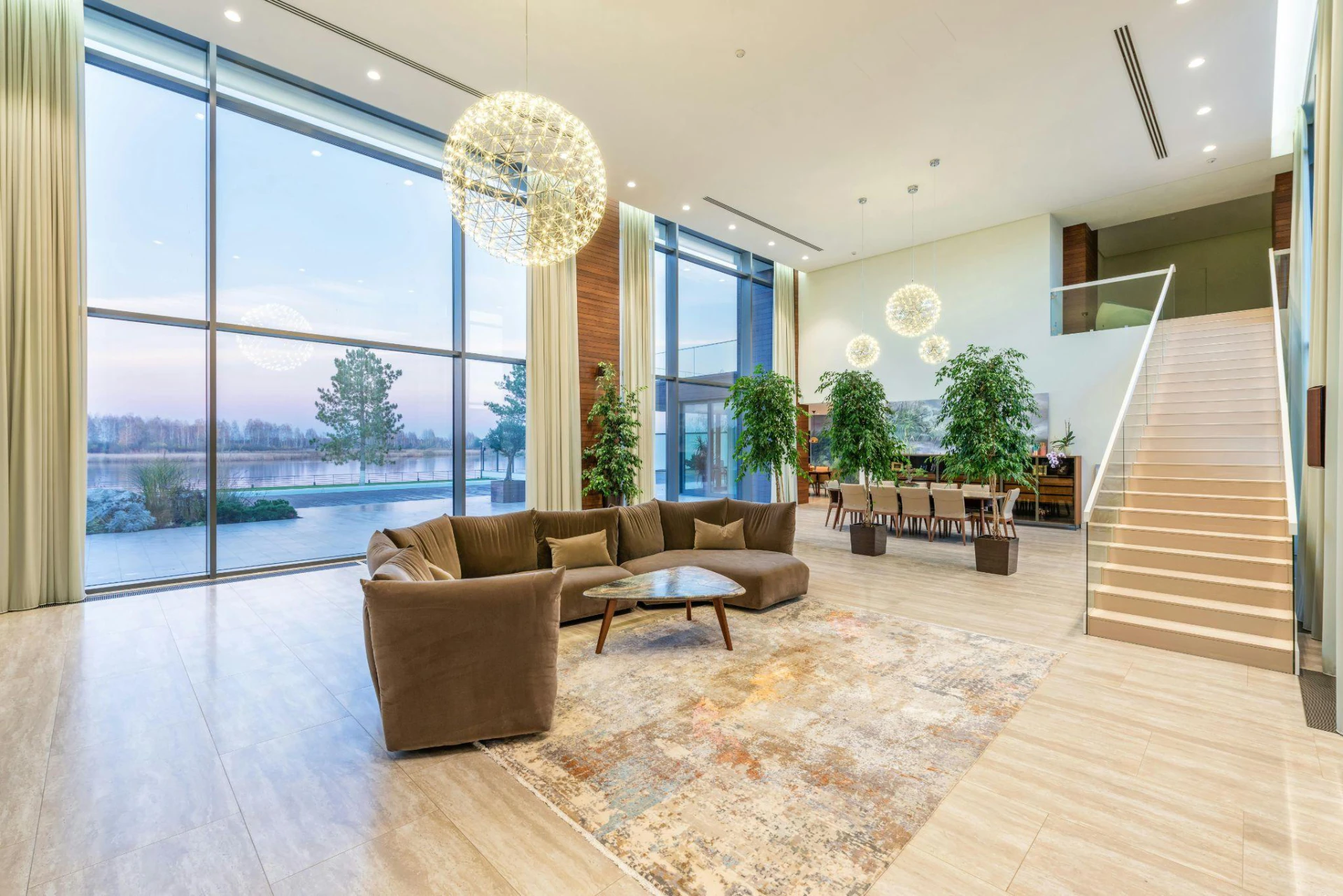
Glass has become a defining material in modern architecture. Designers and builders use it to shape form, light, and spatial clarity across residential and commercial structures. Its presence signals openness, precision, and structural intent.
Over time, advances in fabrication and safety standards have expanded how architects specify glass for both exterior and interior applications. Today, glass supports visual continuity, thermal performance, and long-term durability while maintaining clean architectural lines.
Glass as a Structural and Visual Material
Modern architecture treats glass as more than a surface finish. Architects now integrate it as a structural element that supports walls, railings, facades, and partitions. Laminated and tempered glass provides strength that meets building codes while allowing visual openness. Large-format panels reduce the need for framing, which results in uninterrupted sightlines and simplified geometry.
This structural use supports a design language rooted in clarity and proportion. Buildings gain visual lightness even when constructed with concrete or steel. Glass reduces visual mass without sacrificing strength, which allows architects to balance scale in both urban and residential settings.
Residential Design and Minimalist Living
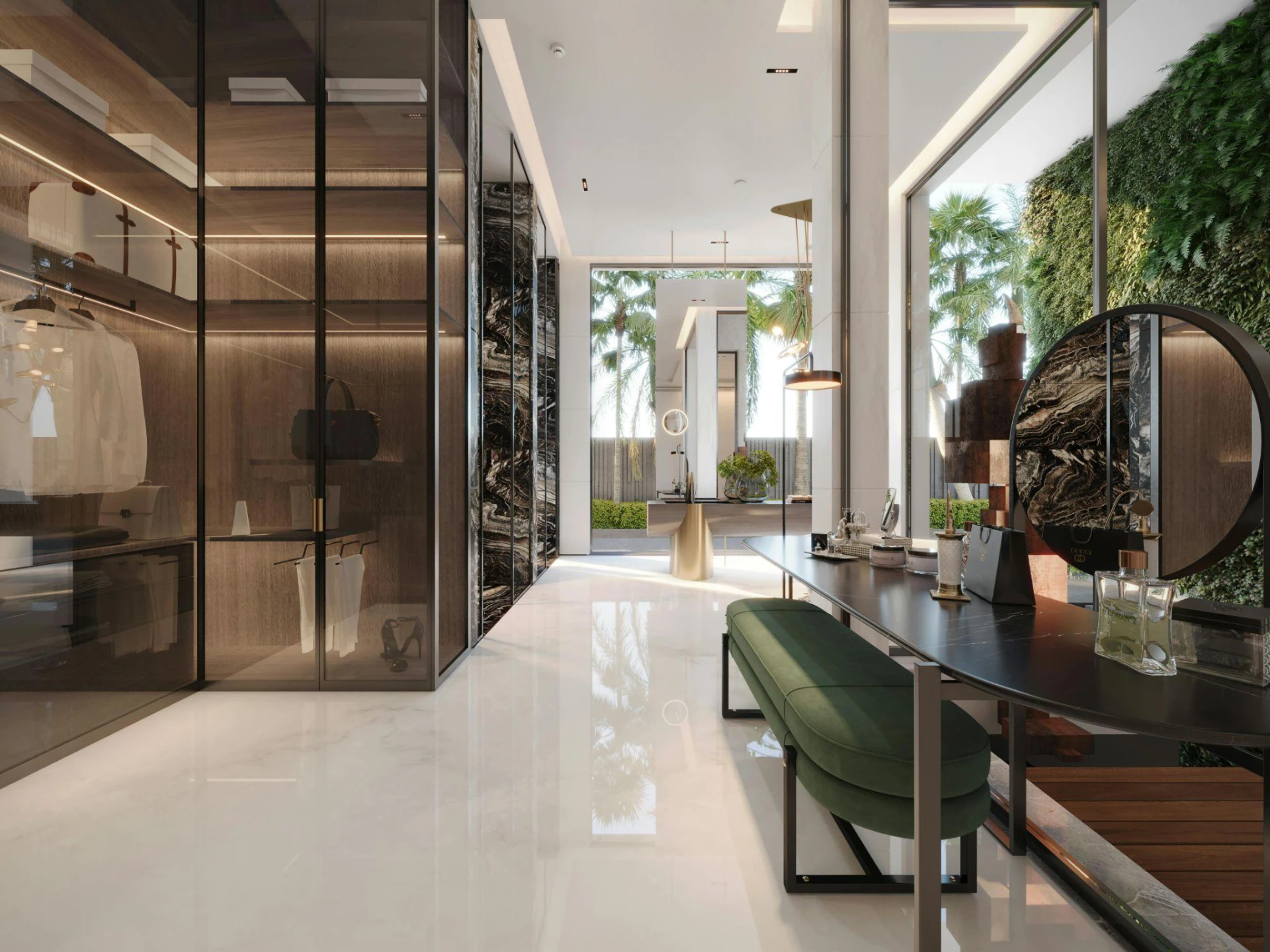
In residential architecture, glass supports minimalist design principles. Home layouts now favor open plans, natural light, and visual connection between rooms. Sliding glass doors, interior glass walls, and frameless shower enclosures contribute to this approach.
Glass partitions replace solid walls in areas such as home offices, staircases, and dining rooms. This approach maintains separation without blocking light. Homeowners benefit from brighter interiors and consistent visual flow. In smaller homes, glass creates a sense of spatial expansion without changing the footprint.
Bathrooms also reflect this shift. Clear glass shower enclosures replace opaque barriers, allowing tile, stone, and fixture details to remain visible. This choice supports clean lines and functional layouts while improving daily usability.
Commercial Architecture and Transparency

Commercial buildings rely on glass to communicate openness and accessibility. Retail storefronts use glass to display interiors and attract foot traffic. Office buildings use curtain walls and glass partitions to create collaborative work environments while maintaining acoustic control.
Glass office walls replace traditional drywall to support visibility and shared light. Conference rooms maintain privacy through frosted or patterned finishes while allowing light to pass through. This balance supports focused work without isolating teams.
In public buildings, glass guides movement and orientation. Airports, hospitals, and educational facilities use glass corridors and atriums to support wayfinding. Clear sightlines reduce confusion and create a calm spatial experience.
Light Management and Spatial Comfort
One of glass’s strongest contributions lies in light management. Natural light supports visual comfort and reduces reliance on artificial lighting during daytime hours. Architects position windows, skylights, and glass walls to distribute daylight evenly across interiors.
Modern glazing technology allows precise control of heat and glare. Low-emissivity coatings reduce solar heat gain while maintaining visibility. Tinted and reflective glass manages brightness in exposed locations. These options support indoor comfort across varying climates.
Daylight also supports psychological comfort. Studies associate well-lit spaces with improved focus and reduced fatigue. Residential and commercial environments benefit from this effect when glass placement follows thoughtful design principles.
Sustainability and Environmental Performance
Glass plays a measurable part in sustainable building practices. Energy-rated glazing systems improve insulation and reduce heat transfer. Double-pane and triple-pane units support temperature control and reduce energy use over time.
Recyclability also contributes to sustainability goals. Glass can return to production cycles without loss of material quality. This supports responsible material sourcing in large-scale projects.
In green-certified buildings, glass supports passive design strategies. Proper orientation and shading reduce cooling loads. When combined with smart framing and sealants, glass systems contribute to long-term building performance without compromising visual clarity.
Safety, Code Compliance, and Durability
Modern glass design follows strict safety standards. Tempered glass breaks into small, less hazardous pieces. Laminated glass holds together upon impact, which adds protection in high-traffic areas. These properties support use in railings, doors, and storefronts.
Building codes regulate thickness, load resistance, and installation methods. Professional fabrication and installation maintain compliance while supporting long-term durability. Proper sealing prevents moisture intrusion and structural stress.
Glass also resists corrosion and weather exposure better than many materials. With correct specification and maintenance, it performs consistently across decades.
Interior Applications Beyond Windows
Glass extends far beyond windows and doors. Interior applications include mirrors, tabletops, railings, shelving, and decorative panels. Each use supports function while maintaining visual clarity.
Mirrors amplify light and spatial depth. In residential settings, they improve brightness in hallways and bathrooms. In commercial spaces, mirrors support branding and customer experience.
Glass railings support safety without blocking views. Staircases, balconies, and mezzanines benefit from this approach in both homes and offices. The result maintains openness while meeting structural requirements.
Custom Fabrication and Design Precision
Advances in fabrication allow precise customization. Glass panels now match specific dimensions, shapes, and finishes. Designers specify edge treatments, patterns, and coatings to suit project goals.
Custom fabrication supports architectural consistency. Glass elements align with flooring, wall finishes, and structural grids. This coordination supports cohesive design outcomes across entire properties.
Precision fabrication also improves installation accuracy. Proper fit reduces stress points and supports long-term performance.
Maintenance and Long-Term Value
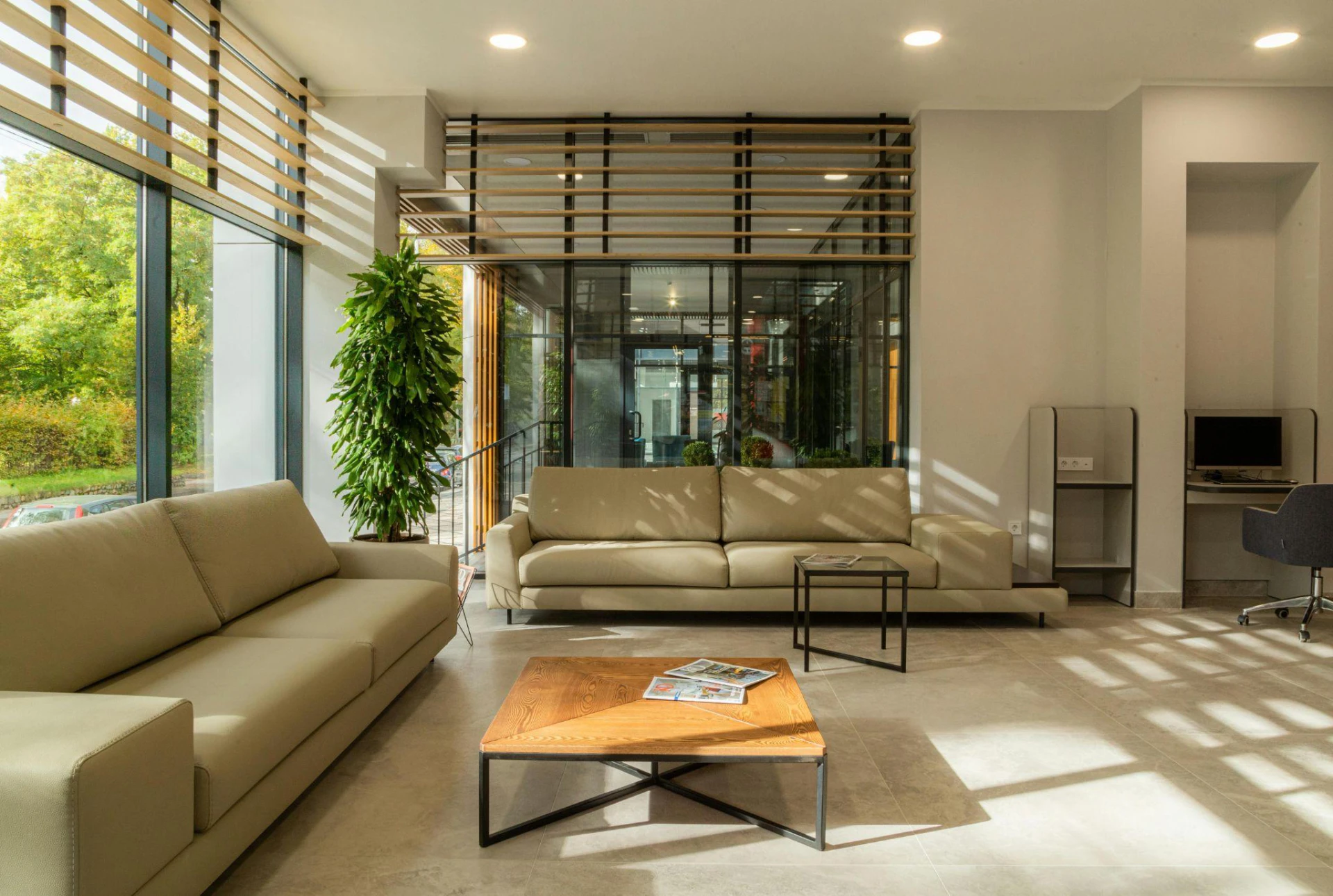
Glass supports long-term value through durability and ease of maintenance. Routine cleaning preserves clarity and appearance. Modern coatings reduce staining and water spotting in showers and exterior panels.
When damage occurs, targeted repair or replacement restores performance without extensive reconstruction. This flexibility supports property maintenance across residential and commercial settings.
Over time, glass remains visually relevant. Its neutral appearance adapts to changing interior finishes and architectural trends without requiring replacement.
Glass & Screens Delivers Professional Glass Solutions Across San Diego County
Glass & Screens delivers glass solutions across residential and commercial projects throughout San Diego County. From glass installation to glass repair services across Carmel Valley, Rancho Bernardo, Poway, and Mira Mesa, CA, the company delivers precise workmanship grounded in industry standards. They also offer glass replacement and window glass repair to maintain building performance and visual consistency.
With over 20 years of experience, Glass & Screens continues to support both homes and businesses with services such as residential glass services and commercial glass installation in CA. Contact Glass & Screens today to discuss residential or commercial glass needs with a qualified team.