
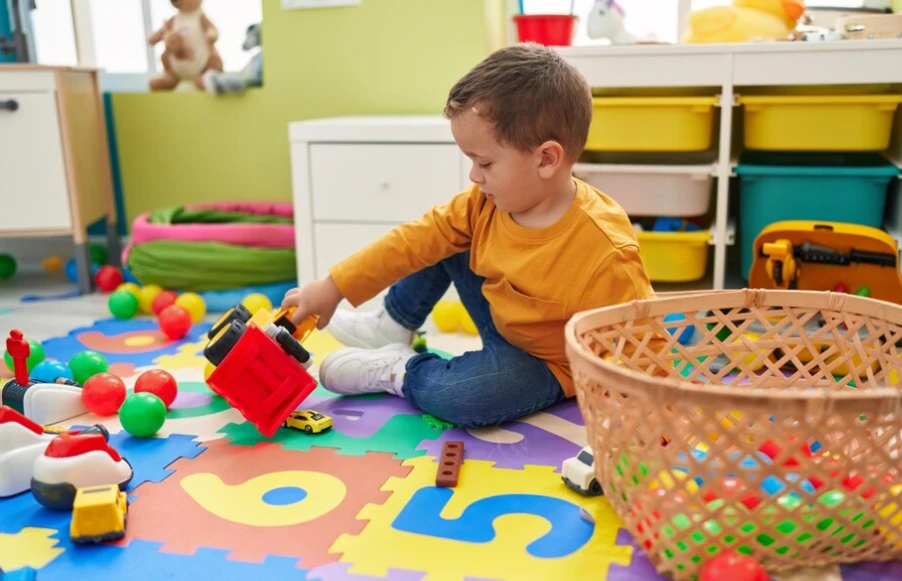
When children walk into a preschool classroom, their world expands beyond the familiar walls of home. Every colour, sound, and activity becomes part of their journey of discovery. Among all the early learning experiences, creativity stands out as one of the most powerful tools for development.
In the preschool years, creativity is not just about painting or crafts — it’s about thinking differently, solving problems, and expressing emotions. Through creative play and exploration, children learn to understand themselves and the world around them.
What Creativity Really Means in Preschool
Creativity in early childhood is the ability to imagine, invent, and explore new ideas. It doesn’t only happen during art or music sessions — it’s woven into every part of the day. Whether children are building towers with blocks, pretending to run a shop, or inventing a story, they’re engaging in creative thinking.
A high-quality preschool environment encourages this type of learning by giving children freedom to explore, experiment, and make choices. Teachers act as guides, creating opportunities for imagination to flourish rather than directing every step.
Why Creativity Matters in Early Learning
Research in child development shows that creativity supports much more than art skills. It’s closely connected to problem-solving, emotional intelligence, and communication — all essential for lifelong success.
Here’s how creativity shapes early learning:
1. Builds Problem-Solving Skills
When children face an open-ended task, like building something from different materials, they have to think critically and make decisions. This process develops cognitive flexibility — the ability to adapt and find solutions, a skill that helps them later in academics and life.
2. Strengthens Emotional Development
Creative play allows children to express emotions they might not yet have words for. Drawing, pretend play, or music help them release feelings and understand others’ perspectives, supporting emotional balance and empathy.
3. Boosts Language and Communication
When children describe their artwork, act out stories, or collaborate with others in imaginative play, they use new words and build confidence in expressing ideas. This naturally supports early literacy and communication skills.
4. Encourages Independence and Confidence
Every creative choice — what colour to use, what story to tell — gives children ownership of their learning. That sense of independence builds confidence and a willingness to try new things.
5. Promotes Focus and Persistence
Creative activities often require attention and patience. Completing a puzzle, finishing a craft, or rehearsing a play encourages children to stick with a task and feel proud of the results.
How Teachers Nurture Creativity in Preschool
Teachers play an essential role in guiding creative development. Instead of giving fixed instructions, they create spaces and opportunities for open-ended exploration. Here’s how they do it:
- Providing open-ended materials like clay, blocks, sand, and natural objects that can be used in endless ways.
- Encouraging curiosity by asking questions instead of giving answers.
- Celebrating effort, not perfection, so children feel free to experiment without fear of making mistakes.
- Allowing freedom of choice so children can follow their interests.
- Connecting creativity to real life, like planting seeds, cooking, or exploring textures in nature.
The focus is not on the end product but on the process of discovery and joy of learning.
Everyday Creative Learning Activities
In a nurturing preschool setting, creativity is part of every moment. Here are examples of how creative learning takes shape through daily activities:
- Art and Craft: Painting, collage, and sculpting allow children to express emotions and explore colours and shapes.
- Music and Movement: Singing, dancing, and rhythm games improve coordination, memory, and self-expression.
- Storytelling: Creating and acting out stories strengthens imagination and language.
- Outdoor Play: Exploring nature, collecting leaves, or building dens develops creativity through sensory experiences.
- Role Play: Pretending to be a shopkeeper, doctor, or parent builds social understanding and problem-solving skills.
Each of these activities is more than just fun — it’s foundational learning through creative discovery.
The Preschool Environment That Inspires Creativity
A creative preschool isn’t filled with fancy toys or endless decorations — it’s a calm, well-prepared space that invites exploration. Natural light, open shelves, and accessible materials help children make independent choices.
Teachers observe carefully, stepping in when needed to guide or inspire, but allowing children to take the lead. This balance between freedom and gentle structure encourages creativity to unfold naturally.
A supportive, inclusive environment also ensures that every child — regardless of ability or background — has the opportunity to express themselves and feel valued for who they are.
Long-Term Benefits of Creative Learning
When children are encouraged to think creatively, they don’t just learn how to draw or build — they learn how to think. This mindset supports future learning in every subject, from science to literacy.
Creativity helps children:
- Approach challenges with confidence
- Communicate effectively with others
- Adapt to change and think critically
- Enjoy the process of learning, not just the outcome
These skills go far beyond preschool years. They become life skills that prepare children for the modern world, where creativity and flexibility are more valuable than ever.
Creativity is at the heart of joyful learning. It turns curiosity into discovery and gives children the tools to express themselves, solve problems, and grow into confident individuals.
For parents seeking a nurturing and stimulating environment, choosing a preschool in Pinner that values creativity can make all the difference. A setting that encourages exploration, imagination, and independence lays the foundation for a lifelong love of learning — and that’s something every child deserves.