Expanding into new markets is exciting, but it comes with its own challenges—especially when it comes to data regulations. Every country sets its own rules on how data should be stored, processed, and protected. If your business doesn’t comply, you risk fines, reputation loss, or even getting banned from operating in that region. That’s why many businesses turn to solutions like an Object Storage Appliance, which allows them to maintain separate compliance-friendly copies of data across different regions. With the right backup strategy, companies can stay agile, expand globally, and meet regulatory demands without unnecessary headaches.
Why Compliance Becomes Complex in Global Markets
When you run a business in one country, compliance is relatively straightforward—you just follow local laws. But the moment you cross borders, things get tricky.
- Different rules in different places: The European Union enforces GDPR, while the United States has sector-specific laws like HIPAA for healthcare and SOX for financial institutions. Asia-Pacific countries often have strict data residency requirements, forcing businesses to keep customer data inside national borders.
- Constantly changing regulations: Laws are updated frequently to keep up with cyber threats, privacy concerns, and technological advances.
- Heavy penalties for mistakes: Non-compliance can lead to multimillion-dollar fines, loss of operating licenses, or lawsuits from affected customers.
This is where backups play a critical role. Instead of maintaining a single, centralized copy of your data, you can use region-specific backups that comply with local rules.
How Backups Help Businesses Meet Regional Regulations
Backups aren’t just about disaster recovery—they’re also a compliance safety net.
1. Data Residency Requirements
Many countries require that citizen data never leaves their borders. With localized backups, you can ensure customer records stay in-region while still being accessible when needed.
2. Separation of Regulated Data
Some industries demand that sensitive data (like medical records) be stored separately from general business data. Backups let you segment and store information according to compliance categories.
3. Audit-Ready Copies
Regulators often ask for historical data during inspections. A well-structured backup system ensures you have tamper-proof copies that can be easily presented when required.
4. Multi-Layered Protection
Backups can include encryption, immutability, and replication, which together create a strong compliance framework against cyberattacks and unauthorized access.
Object Storage Appliance: A Practical Solution
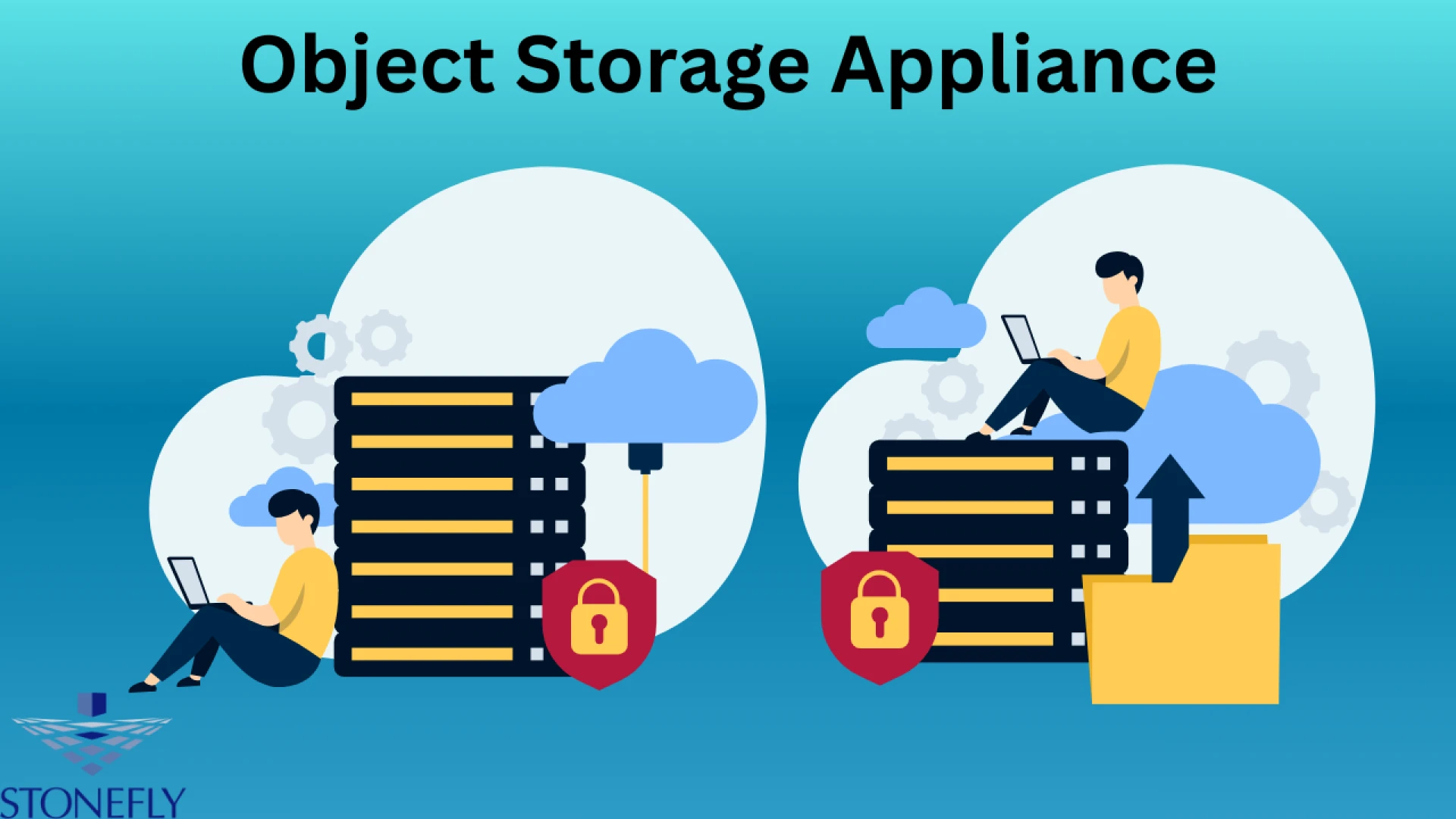
Handling these compliance requirements manually would be overwhelming for most businesses. That’s where an Object Storage Appliance comes in. It provides a scalable and flexible way to store large amounts of data while ensuring compliance across multiple regions.
- Scalability: As your business expands into more markets, you can increase storage capacity without disrupting existing systems.
- Multi-region support: Store copies of data in compliance with local laws, ensuring each region has its own set of backups.
- Data durability: Built-in redundancy means even if one backup copy is corrupted, others remain intact.
- Ease of management: Centralized control panels let IT teams monitor compliance-friendly backups without adding complexity.
In short, this solution helps businesses grow without worrying about whether their data practices will violate foreign regulations.
H2: Benefits of Using Backups in Market Expansion
Beyond compliance, backups offer additional benefits for companies stepping into new territories.
H3: Risk Reduction
Operating globally exposes your business to cyber risks, natural disasters, and political changes. Having compliant backups in each region ensures you can continue operations even if one market faces a disruption.
H3: Faster Disaster Recovery
If systems fail, localized backups mean you can restore operations quickly without waiting for cross-border data transfers that might be restricted by law.
H3: Improved Customer Trust
When customers know their data is handled according to local regulations, they’re more likely to do business with you. Backups support this by proving you’ve invested in data protection.
H3: Operational Efficiency
Instead of maintaining multiple siloed storage systems for each region, a well-planned backup strategy consolidates operations, reducing costs and simplifying compliance reporting.
Challenges Without Proper Backups
What happens if businesses skip this step?
- Inconsistent compliance: Storing data in one central location might violate regional laws.
- Delayed recovery times: Without local copies, restoring data could take longer, affecting customers.
- Higher operational risks: A single point of failure could disrupt your global operations.
That’s why proactive investment in compliance-ready storage and backup strategies is essential.
Best Practices for Global Backup Compliance
When expanding into new markets, businesses should follow these guidelines:
1. Understand Local Laws First
Before moving into a country, research its data protection rules thoroughly. Partner with local experts if needed.
2. Use Redundant Storage Locations
Maintain multiple backup sites within each region to ensure high availability.
3. Automate Compliance Monitoring
Use tools that can automatically verify whether your backups meet the required standards.
4. Encrypt Everything
Encryption ensures that even if backups are compromised, sensitive Data remains unreadable.
5. Regular Testing
Don’t just assume your backups work—test them regularly to confirm they can be restored quickly and completely.
Object Storage Appliance in Action
Imagine a financial company expanding into Europe and Asia. GDPR requires customer data in the EU to remain inside European borders, while certain Asian countries demand local storage within their territories. By using an Object Storage Appliance, the company can:
- Store compliance-specific copies in each region.
- Automatically segment financial records, ensuring GDPR-sensitive data never leaves the EU.
- Provide regulators with immutable historical backups during audits.
- Scale storage as they expand further into other countries.
This approach transforms data compliance from a barrier into an enabler of growth.
Conclusion
Expanding into new markets is one of the best ways to grow a business, but regulatory compliance can make it complicated. Different countries have different laws, and failing to meet them can lead to major risks. Backups, supported by modern solutions like an Object Storage Appliance, ensure that companies maintain compliance-friendly data copies tailored to each region’s regulations. With the right strategy, businesses can expand confidently, knowing their data is secure, compliant, and always recoverable.
FAQs
1. Why are backups important when expanding into new markets?
Backups let businesses create compliance-friendly copies of data for different regions, ensuring they meet each country’s data laws while protecting against data loss.
2. How do backups help with data residency laws?
They allow companies to store customer data within the borders of the country where it’s collected, keeping operations legal and compliant.
3. What makes an Object Storage Appliance useful for compliance?
It provides scalable, region-specific, and durable storage options, making it easier to meet diverse regulatory requirements without added complexity.
4. Can backups improve customer trust in new regions?
Yes. Customers feel more confident when they know their data is stored and protected according to local regulations.
5. How often should backups be tested for compliance?
At least quarterly. Regular testing ensures backups can be restored quickly and remain compliant with current regulations.