
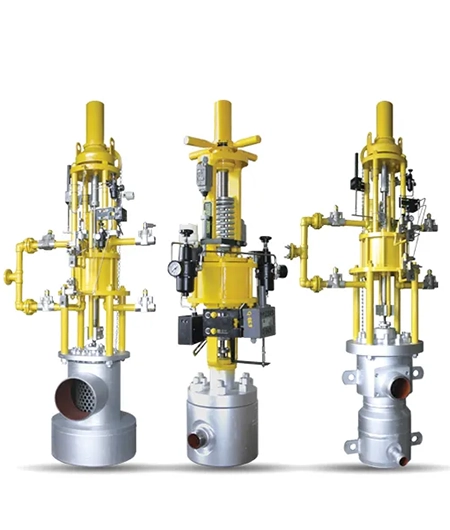
In today’s industrial environments, maintaining safe operating conditions while maximizing efficiency is essential for long-term reliability and profitability. Whether in pump systems, processing units, or high-pressure fluid networks, maintaining stable flow and pressure directly impacts performance and equipment lifespan. One of the most critical components supporting these objectives is the Bypass Valve.
Though often considered a secondary component, a Bypass Valve plays a primary role in safeguarding equipment, ensuring continuous operation, and optimizing overall system performance. When properly selected and installed, it becomes a key contributor to both safety and operational excellence.
Understanding the Purpose of a Bypass Valve
A Bypass Valve is designed to redirect flow from a primary line to an alternate path when certain pressure or flow conditions are met. Its main function is to regulate pressure and maintain minimum flow requirements, preventing system instability.
In fluid handling systems, sudden pressure increases, flow blockages, or demand fluctuations can create mechanical stress. Instead of allowing these fluctuations to damage pumps, seals, pipelines, and other components, a Bypass Valve provides a controlled path for excess flow. This simple yet effective mechanism ensures that the system operates within safe and efficient limits.
1. Enhancing System Safety
Preventing Overpressure Conditions
Overpressure is one of the most common causes of mechanical failure in industrial systems. Excess pressure can result from:
- Sudden valve closures
- Blocked discharge lines
- Rapid changes in demand
- Equipment malfunction
When pressure exceeds safe limits, it can damage pipelines, rupture seals, and even cause catastrophic equipment failure. A Bypass Valve automatically diverts excess pressure, maintaining stability and preventing hazardous situations.
Protecting Pumps and Rotating Equipment
Pumps are designed to operate within specific flow and pressure ranges. Running outside these parameters can cause overheating, vibration, and premature wear. A Bypass Valve ensures that minimum flow conditions are maintained, reducing mechanical stress and protecting critical components.
This protection not only enhances safety but also improves system reliability.
Reducing Risk of System Shutdown
Unexpected shutdowns often result from unmanaged pressure spikes or unstable flow conditions. A Bypass Valve provides a controlled response mechanism, preventing abrupt operational interruptions and minimizing safety risks.
2. Improving Operational Efficiency
While safety is crucial, operational efficiency determines productivity and profitability. A well-functioning Bypass Valve directly contributes to optimized system performance.
Maintaining Stable Pressure Levels
Consistent pressure is essential for downstream processes. Pressure fluctuations can lead to inconsistent output, reduced product quality, and inefficient operation. A Bypass Valve stabilizes these variations, ensuring steady and predictable performance.
Supporting Continuous Operation
In many industrial settings, downtime can be extremely costly. By preventing equipment damage and reducing emergency repairs, a Bypass Valve supports uninterrupted operations. This continuity enhances production output and reduces operational losses.
Enhancing Energy Efficiency
Operating equipment outside optimal pressure conditions increases energy consumption. Motors and pumps must work harder when systems are unstable. By maintaining balanced pressure and flow, a Bypass Valve helps reduce unnecessary energy usage and improves overall system efficiency.
Extending Equipment Lifespan
Mechanical stress is one of the leading causes of component failure. By minimizing pressure fluctuations and maintaining controlled flow conditions, a Bypass Valve reduces wear and tear. Over time, this leads to longer equipment lifespan and lower replacement costs.
3. Supporting Dynamic Operating Conditions
Industrial systems rarely operate under constant load. Variations in demand, startup and shutdown cycles, and fluctuating process requirements all influence system behavior.
A Bypass Valve enhances system flexibility by:
- Managing load changes smoothly
- Assisting during startup and shutdown phases
- Maintaining minimum flow during low-demand periods
- Preventing pressure imbalance during variable operations
This adaptability allows facilities to operate efficiently under changing conditions without compromising safety.
4. Minimizing Maintenance and Operational Costs
Maintenance expenses can significantly impact overall operational budgets. Frequent repairs and part replacements reduce productivity and increase costs.
A properly sized and configured Bypass Valve helps:
- Reduce mechanical strain on equipment
- Prevent emergency breakdowns
- Lower maintenance frequency
- Improve overall system reliability
Over time, these benefits translate into measurable cost savings and improved return on investment.
5. Applications Across Industrial Systems
The importance of a Bypass Valve extends across various industries and applications, including:
- Pump protection systems
- High-pressure fluid handling
- Hydraulic systems
- Process industries
- Steam and thermal systems
- Chemical processing operations
In each of these environments, pressure stability and controlled flow are essential for safe and efficient performance.
6. Key Considerations When Selecting a Bypass Valve
Choosing the correct Bypass Valve is critical to achieving desired safety and efficiency outcomes. Important factors include:
- Operating pressure range
- Flow capacity requirements
- Fluid type and compatibility
- Temperature conditions
- Material construction
- Automation or manual control options
Improper sizing or incorrect configuration can reduce performance and compromise system protection. Therefore, careful evaluation and technical assessment are necessary during selection.
7. Long-Term Operational Benefits
The long-term impact of installing a reliable Bypass Valve goes beyond immediate safety improvements. Facilities benefit from:
- Increased operational stability
- Predictable system performance
- Reduced unplanned downtime
- Lower total cost of ownership
- Improved compliance with safety standards
These advantages collectively enhance both operational resilience and business profitability.
Conclusion
A Bypass Valve is not merely an accessory component-it is a critical safeguard that ensures stable pressure control, protects valuable equipment, and enhances overall operational efficiency. By preventing overpressure, minimizing mechanical stress, and supporting dynamic system conditions, it plays a central role in both safety management and performance optimization.
For industries seeking reliable pressure control solutions that improve long-term productivity and system reliability, high-quality engineering support-such as that offered by Vytal Controls-can make a significant difference in achieving safe and efficient operations.