
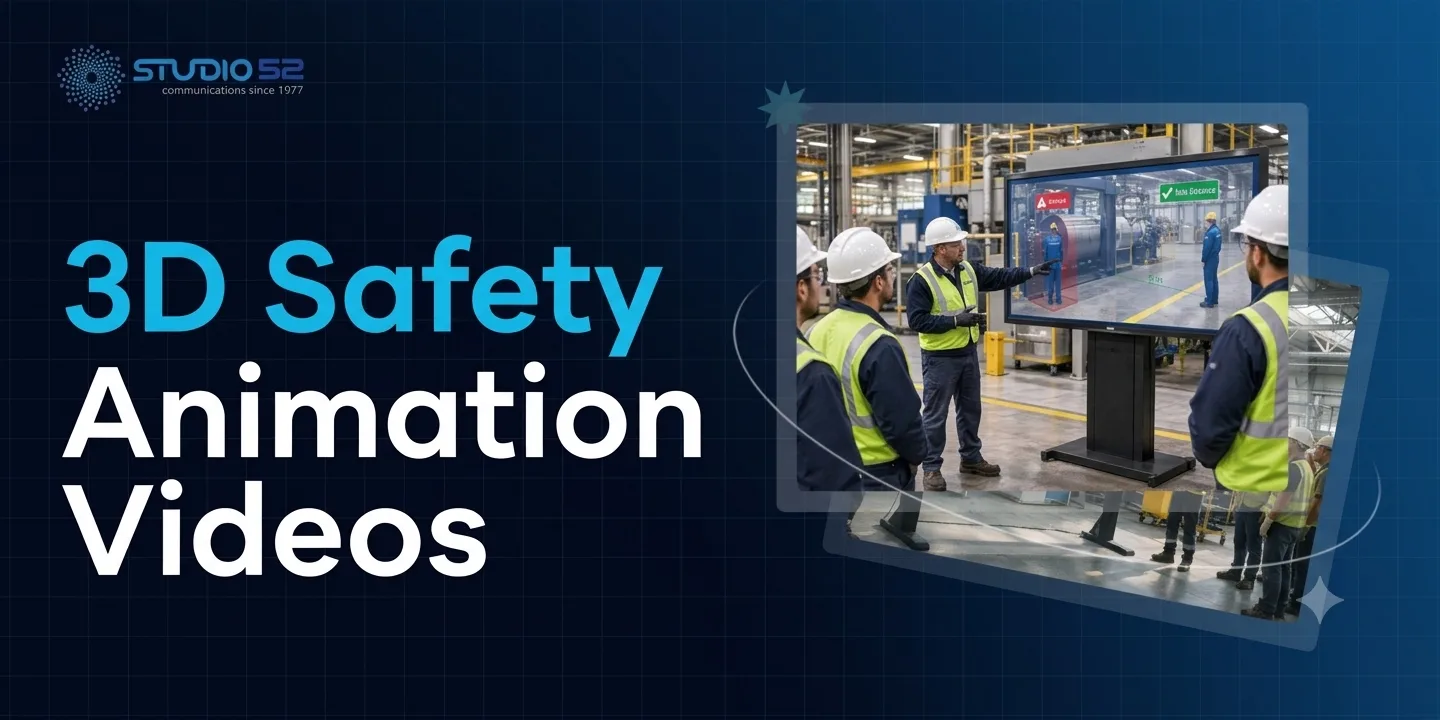
Industrial workplaces involve various risks, including machinery accidents, electrical hazards, chemical exposure, fire emergencies and unsafe working conditions. Employees working in construction, manufacturing, oil and gas, and other industrial sectors need proper safety training to understand these risks and follow the correct precautions. However, traditional training methods do not always communicate complex safety procedures effectively. This is where 3D industrial safety animation videos can make a significant difference.
With realistic visuals, detailed demonstrations and engaging storytelling, 3D animation makes industrial safety information easier to understand. Businesses can use animated training content to demonstrate dangerous situations, explain preventive measures and improve employee awareness. These videos also help organisations deliver consistent safety instructions across different departments and work locations.
Understanding the Importance of 3D Safety Animation Videos
3D safety animation videos are digitally created visual presentations that demonstrate workplace hazards, safety procedures and emergency situations. Unlike conventional training presentations, these videos recreate industrial environments using detailed three-dimensional models.
For example, an animation can demonstrate how incorrect machine operation may cause an accident or how employees should follow safety precautions while handling hazardous materials. It can also explain situations that are difficult or dangerous to demonstrate in real working environments.
3D industrial safety videos are particularly useful for industries where employees regularly work with heavy equipment, complex machinery and potentially dangerous materials. They provide a controlled visual learning experience without exposing workers to actual workplace risks.
Why Traditional Safety Training Methods Need Improvement
Many organisations still depend on printed manuals, classroom sessions and presentation slides to educate employees about workplace safety. Although these methods provide important information, they may not always maintain attention or explain technical procedures clearly.
Employees sometimes struggle to understand complicated instructions when they are presented only through written information. New workers may also find it difficult to visualise potential hazards before entering an industrial environment.
Visual learning offers a more practical approach. By using animated demonstrations, companies can explain how accidents happen, what precautions employees should take and how to respond during emergencies.
animated safety videos also make it easier to deliver the same safety message to different teams, ensuring that employees receive consistent information regardless of their experience level.
How Industrial Safety Animation Helps Prevent Workplace Hazards
Workplace accidents can occur when employees fail to recognise hazards or follow incorrect operating procedures. Industrial safety animation helps explain these situations through realistic visual demonstrations.
Some important applications include:
1. Machinery and Equipment Safety
Industrial machinery requires proper handling and regular safety checks. 3D animation can demonstrate machine operation, restricted areas, protective equipment requirements and safe maintenance procedures. Employees can understand the possible consequences of unsafe machine handling before working with actual equipment.
2. Electrical Safety Awareness
Electrical hazards can result in serious injuries and equipment damage. Through 3D animation, companies can demonstrate electrical risks, unsafe connections, arc flash situations and appropriate preventive procedures. These visuals make technical safety information easier to understand.
3. Fire Prevention and Emergency Response
Fire safety training is essential in industrial environments. Animated videos can demonstrate fire hazards, evacuation routes, emergency equipment and appropriate response procedures. Employees can learn how to react quickly and follow established safety instructions.
4. Working at Heights
Construction and maintenance activities often involve working at elevated locations. 3D workplace safety animation can demonstrate proper fall protection, harness usage, scaffolding precautions and safe working practices.
5. Chemical and Confined Space Safety
Employees working with chemicals or entering confined spaces must understand specific safety requirements. Animated demonstrations can explain protective equipment, ventilation, chemical handling and emergency response procedures.
Benefits of Using 3D HSE Animation Videos
Businesses can improve their employee training programmes by incorporating professional workplace safety training videos into regular safety education.
Some important benefits include:
- Better understanding: Visual demonstrations simplify complicated industrial safety procedures.
- Improved engagement: Animated content captures attention and makes training sessions more interesting.
- Consistent communication: Organisations can share standardised safety instructions across multiple locations.
- Safer demonstrations: Dangerous situations can be recreated digitally without putting employees at risk.
- Better information retention: Visual storytelling helps employees remember important safety practices.
- Flexible training: Videos can be reused during employee inductions, toolbox talks and refresher sessions.
These benefits make animated content a valuable addition to modern workplace safety programmes.
Features of Effective Industrial Safety Training Videos
Not every animated video delivers the same training value. To create useful safety content, businesses should focus on accuracy, clarity and practical information.
An effective safety animation video production should include realistic workplace environments, accurate equipment models and clearly explained safety procedures. The animation should represent the actual working conditions and demonstrate relevant hazards.
Short and focused videos are often easier to understand because each section can concentrate on a particular safety topic. Clear narration, subtitles and appropriate sound effects can further improve the learning experience.
Multilingual voiceovers are also useful for organisations with employees from different language backgrounds. Providing safety instructions in familiar languages helps make training more accessible and understandable.
How 3D Safety Videos Can Be Integrated Into Employee Training
Organisations can use 3D safety training videos at different stages of their employee development programmes.
Employee Induction: New employees can watch site-specific safety animations before starting their duties. This helps them understand workplace rules, restricted areas and emergency procedures.
Daily Toolbox Talks: Short animated clips can introduce a particular hazard or safety precaution during regular team meetings.
Refresher Training: Existing employees can revisit important safety procedures through updated animation content.
Equipment Training: Detailed visual demonstrations can explain the correct operation and maintenance of industrial equipment.
Online Learning Platforms: Companies can upload safety videos to learning management systems, allowing employees to access training material whenever required.
Combining animated content with practical demonstrations, discussions and knowledge assessments can make safety education more effective.
The Process of Creating Professional Safety Animation Videos
Professional safety animation video production involves several stages to ensure that the final content is visually engaging and technically accurate.
The process generally begins with understanding the company's safety requirements, workplace conditions and training objectives. Safety specialists provide relevant information about potential hazards, equipment and operating procedures.
Next, content creators prepare a script and storyboard to organise the information into a clear visual sequence. 3D artists then develop digital models of industrial equipment, machinery and workplace environments.
The animation team creates movements, visual effects and hazard demonstrations according to the approved storyboard. Voiceovers, background sounds and other audio elements are added to support the visual presentation.
Finally, the completed video is reviewed to ensure that the safety instructions and technical details match the organisation's requirements.
Collaboration between safety professionals and animation specialists is important throughout this process.
Choosing the Right 3D Safety Animation Video Production Company
Selecting an experienced production company is important when creating industrial safety training content. Businesses should look for a team that understands technical communication, industrial environments and professional animation production.
The production company should be capable of creating customised animations based on specific workplace requirements rather than relying entirely on generic templates.
Experience in developing industrial environments, accurate equipment modelling, multilingual narration and clear visual storytelling can help organisations achieve better training results.
Studio52 provides professional video production and animation solutions for businesses looking to communicate technical information through engaging visual content. Its approach to safety animation focuses on presenting workplace hazards and safety procedures in an understandable visual format.
Conclusion
Workplace safety requires more than written instructions and routine presentations. Employees need clear explanations and practical demonstrations to recognise hazards and understand the correct safety procedures.
Studio52 provide an effective way to communicate complex industrial information through realistic visual storytelling. From machinery safety and electrical hazards to emergency response and working-at-height procedures, animated content can support employee awareness and improve the overall training experience.
By incorporating industrial safety animation into induction programmes, toolbox talks and refresher sessions, organisations can build more consistent safety communication and encourage responsible workplace practices.