In recent years, India's agricultural landscape has been undergoing a silent but significant transformation. Among the most exciting trends is the surge in demand for exotic fruits like strawberries and the rapid adoption of tissue culture lab design to produce disease-free, high-yield planting material. With consumer tastes evolving and agribusiness getting smarter, India is quickly emerging as a hotbed for innovation in horticulture.
Amidst this change, companies like Sheel Biotech are playing a pivotal role in making strawberry plants in India more accessible, profitable, and sustainable for farmers, while also setting new benchmarks in biotechnology with custom-built tissue culture facilities.
Strawberries: A Profitable Revolution in Indian Fields
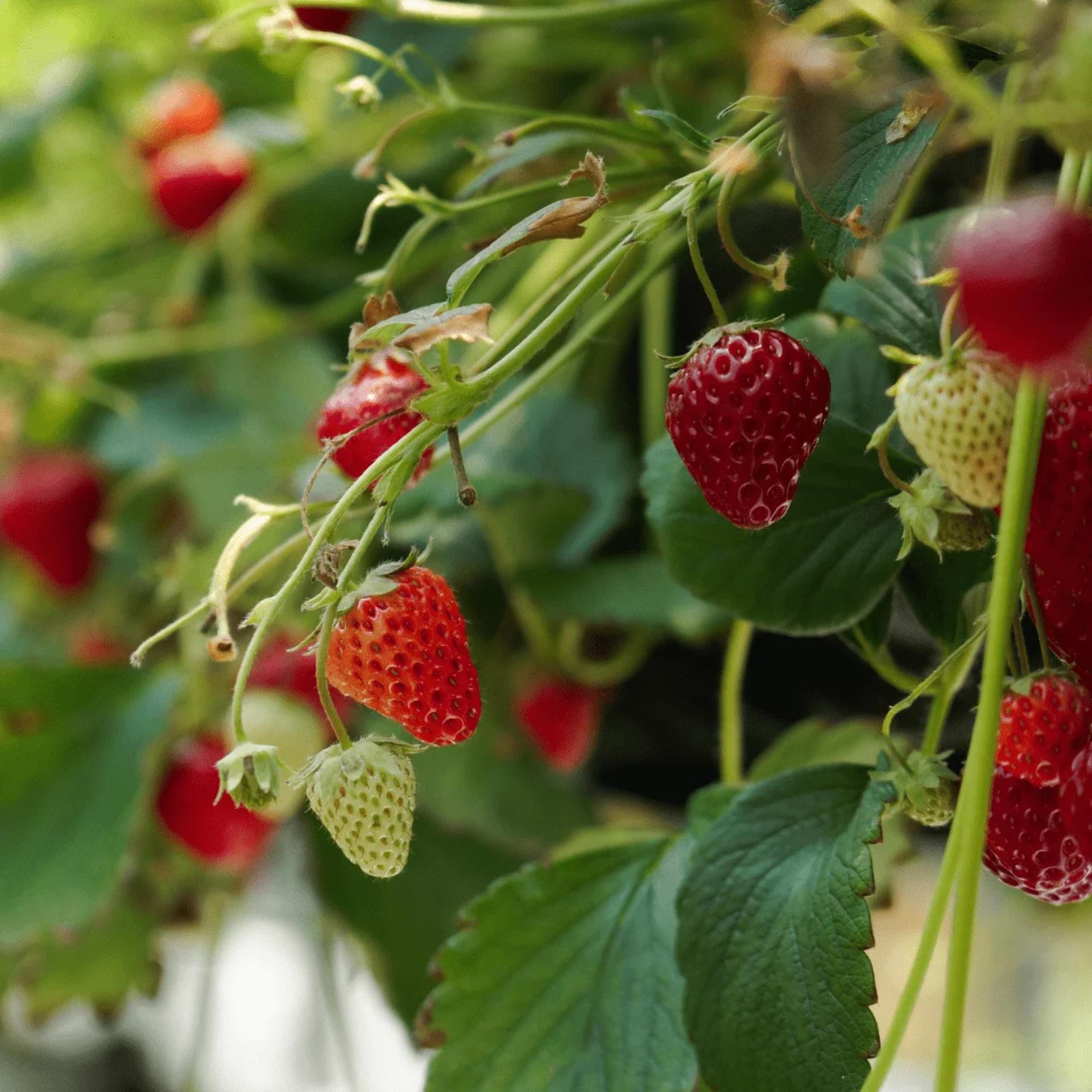
Strawberries were once considered a fruit of the hills, limited to places like Mahabaleshwar and Himachal. However, thanks to improved farming techniques, controlled environments, and high-yield planting material, strawberries are now being grown successfully in diverse climates across the country — from Punjab to Madhya Pradesh, Maharashtra to Tamil Nadu.
This shift is being powered by the increasing availability of high-quality strawberry plants in India, many of which are propagated through tissue culture. Farmers are now recognizing strawberries not only for their demand but also for their fast ROI — typically within 3 to 5 months of planting.
Why Strawberries Are Gaining Popularity Among Indian Farmers
- Short Growing Season: Allows multiple harvests in a year with quicker revenue generation.
- High Market Demand: With urban consumers seeking healthier, low-calorie fruit options, strawberries have become a favorite.
- Scope for Value Addition: From jams and preserves to cosmetic products, strawberries open doors for agro-processing businesses.
- Export Potential: Indian-grown strawberries are now finding their way to international markets, thanks to quality improvements.
The Role of Tissue Culture in Transforming Horticulture
One of the unsung heroes behind this transformation is the rise of advanced tissue culture lab design. In today’s precision-farming world, the ability to reproduce plants that are uniform, high-yielding, and disease-free is a game-changer. Tissue culture makes this possible — offering scalable, predictable, and climate-resilient solutions for growers.
What Makes an Effective Tissue Culture Lab?
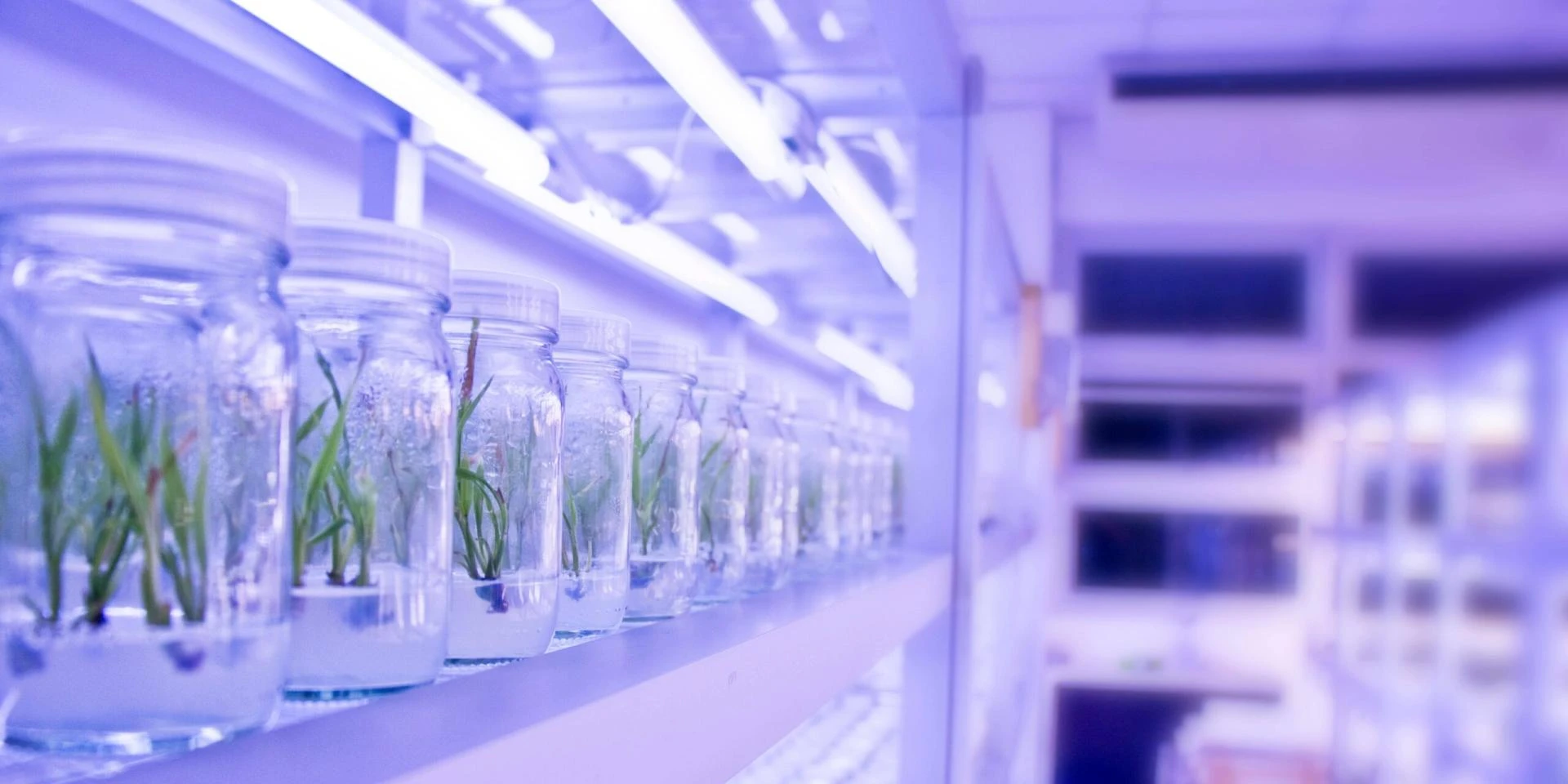
A modern tissue culture lab design isn’t just about glassware and microscopes — it’s a highly controlled space that requires precision planning. Here’s what goes into it:
- Sterile Environment: Labs must maintain strict contamination-free conditions to ensure healthy plant propagation.
- Zoned Workflow: Clear separation of stages like media prep, inoculation, growth rooms, and hardening areas.
- Efficient Air Handling Units: HEPA filters, laminar flow hoods, and positive pressure systems are essential.
- Temperature & Humidity Control: Vital for consistent plant growth and hormone regulation.
- Energy Efficiency: Labs are being designed today to consume less energy while maintaining optimal growing conditions.
Sheel Biotech specializes in creating these tailor-made lab environments, helping agriculture businesses and research institutions set up robust infrastructure with scalability in mind.
Strawberries & Tissue Culture – A Perfect Match
The intersection of strawberry farming and tissue culture technology is no coincidence. Here's why this combination works so well:
- Clonal Consistency: Ensures each plant is genetically identical, leading to uniform fruit quality and yield.
- Disease-Free Plants: Vital for a delicate fruit like strawberry which is prone to fungal and bacterial infections.
- Rapid Multiplication: Hundreds of thousands of plants can be developed from a single mother plant within months.
- Year-Round Supply: Controlled environment labs make it possible to grow transplants irrespective of seasons.
This is precisely why leading institutions and farming communities are turning to tissue culture lab design for creating next-gen propagation hubs.
Sustainable Farming with Tissue Culture-Grown Strawberries
India is now also beginning to witness a sustainable revolution in farming — and strawberry cultivation through tissue culture is right at the center of it. These lab-propagated plants consume less pesticide, require fewer fertilizers, and yield more per square foot, making them environmentally friendlier than conventional methods.
Furthermore, Sheel Biotech supports climate-smart farming by providing cold-chain advice, irrigation solutions, and post-harvest guidance to growers who are serious about making strawberry farming a long-term success.
The Future of Strawberry Farming in India
The Indian market for strawberries is still in a growth phase — and that's a great thing. Demand far exceeds supply, and cold-chain logistics are improving. Urban rooftop farmers, hydroponic growers, and greenhouse cultivators are all exploring strawberries as a high-value crop.
With the advent of smart biotechnology and scientific tissue culture lab design, growers now have the tools to meet that demand with consistency and scale. The road ahead is ripe with potential.
Sheel Biotech: Leading the Way in Innovation
At the forefront of this agri-tech revolution is Sheel Biotech — one of India’s most trusted names in providing advanced strawberry plants in India and complete turnkey solutions for tissue culture lab design. Whether it’s setting up a commercial lab, training teams, or providing the best tissue culture planting material, their contributions are redefining modern Indian agriculture.
Their work goes beyond sales — it's about building a future where farmers, researchers, and agripreneurs can work together to boost yields, cut losses, and grow smart.
Conclusion
From luscious strawberry plants in India to world-class tissue culture lab design, the transformation of Indian horticulture is unfolding with impressive speed and science. With rising consumer demand, better infrastructure, and biotech innovators like Sheel Biotech leading the way, the future looks not only delicious but also sustainable and profitable.
As the sun rises over polyhouses and glass labs across the country, one thing is certain — the next agricultural revolution will be sweet, red, and powered by tissue culture.