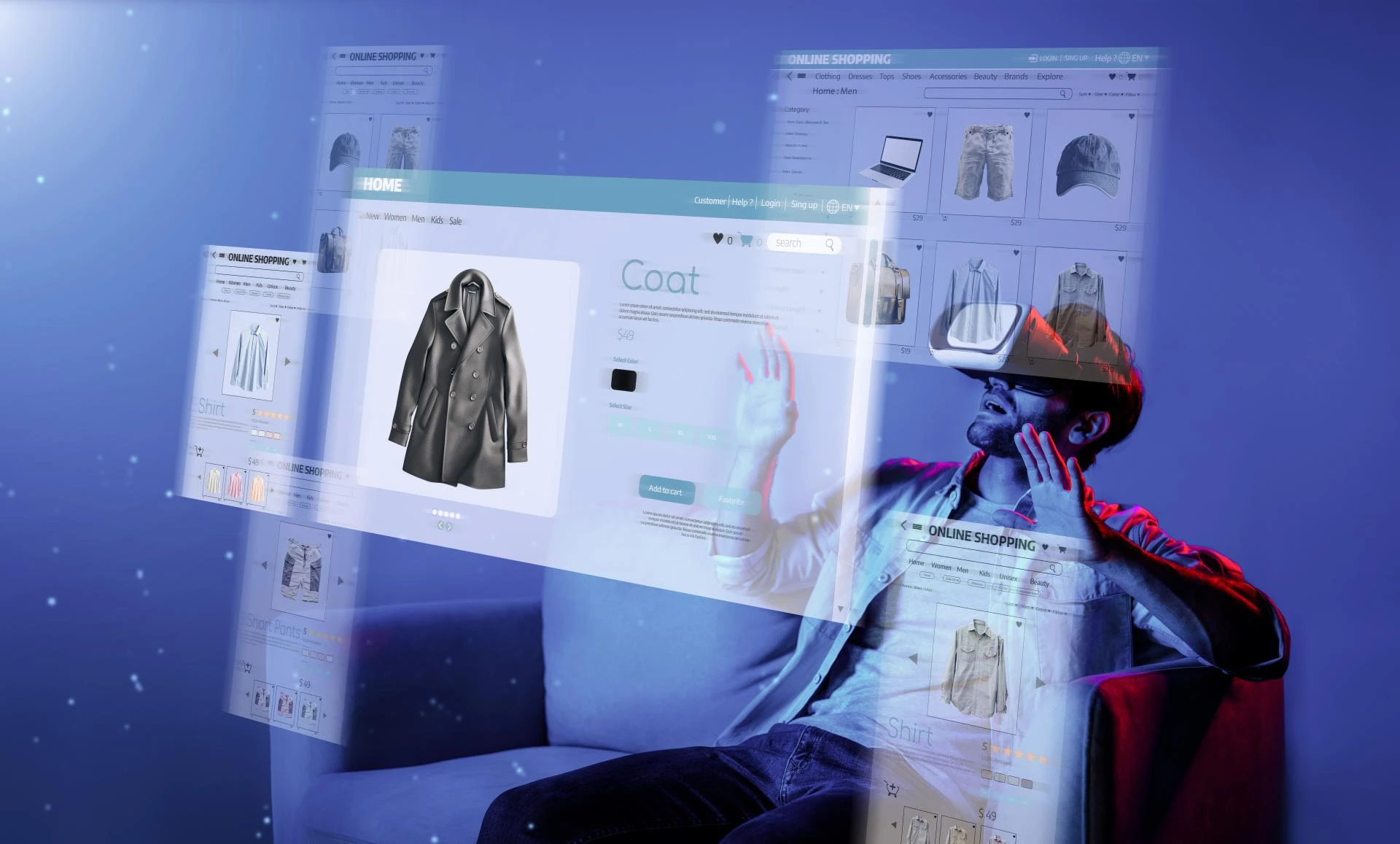
The world of fashion is evolving at an unprecedented pace. As the digital landscape grows, fashion brands are increasingly stepping into virtual spaces, creating innovative ways to engage with consumers. One of the most exciting developments in this shift is the rise of digital fashion—virtual clothing that exists solely in the digital realm. From virtual wardrobes to avatar styling, digital fashion is not just a passing trend but a glimpse into the future of the industry. Fashion marketing agencies are now playing a pivotal role in helping brands navigate this new virtual frontier, bridging the gap between technology and style.
What is Digital Fashion?
Digital fashion refers to clothing that is created and worn entirely in virtual environments, whether through video games, social media platforms, or the metaverse. These pieces exist as 3D models, often designed with a focus on aesthetic appeal and functionality within virtual worlds. Unlike traditional fashion, digital clothing is not made from physical materials, but it carries the same value in terms of expression and identity. Whether it’s an NFT dress for your avatar in the metaverse or a digital-only collection displayed in an online showroom, these creations allow brands to tap into new consumer bases that live and interact in digital spaces.
Why Digital Fashion is Gaining Traction
The main driver behind the rise of digital fashion is the increasing importance of virtual spaces in everyday life. The metaverse, a digital universe where people work, play, and socialize, is becoming more mainstream. As a result, people are looking for ways to express themselves through their avatars, just as they do in the real world. Digital fashion allows individuals to curate their online identities, offering a sense of personalization and exclusivity in a way that physical fashion sometimes can’t. Brands are now designing virtual-only clothing lines, and limited-edition digital pieces are being sold at high prices, showing that digital fashion holds real economic value.
Brands like Balenciaga and Gucci have already dipped their toes into this virtual world, offering exclusive digital collections for gaming platforms like Fortnite and Roblox. These collaborations not only cater to the gaming community but also introduce the idea of digital fashion to a younger audience that values personalization, creativity, and social media presence.
The Metaverse as the New Fashion Marketplace
The metaverse is quickly becoming the next frontier for fashion brands. Imagine being able to shop for and try on clothes without ever leaving your home. Virtual showrooms and interactive shopping experiences are the new norm. Digital fashion allows for a level of experimentation and creativity that traditional fashion sometimes struggles to keep up with. It also offers opportunities for brands to engage with their audience in unique ways, hosting virtual runway shows, offering avatar styling services, and even creating immersive shopping experiences.
The ability to attend virtual fashion events and interact with designers and fellow fashion enthusiasts in real time is changing the way we think about fashion consumption. For fashion marketing agencies, the metaverse presents an exciting challenge and an opportunity to craft unique, memorable experiences for brands and consumers alike.
Sustainability and Digital Fashion
In addition to its creative potential, digital fashion also offers a more sustainable option compared to traditional fashion. The fashion industry is infamous for its environmental impact, but virtual clothing doesn’t require the production of physical goods, reducing waste and the carbon footprint. By moving to digital platforms, brands can cut back on manufacturing, transportation, and other processes that contribute to environmental damage.
Moreover, digital fashion allows consumers to express themselves without contributing to the fast-fashion cycle. The longevity of digital items is not defined by trends or seasons, and the wear-and-tear that we typically associate with physical clothing doesn’t apply in the virtual world. This longevity and sustainability factor could help reshape how we view consumption in the fashion industry.
The Future of Digital Fashion
The potential for digital fashion is endless. As technology advances and platforms like the metaverse become more sophisticated, we can expect virtual fashion to become a regular part of our online lives. For fashion marketing agencies, this presents an exciting opportunity to guide brands through an ever-evolving landscape of consumer expectations and digital innovation. Digital fashion allows companies to reach an audience that values both innovation and sustainability, while also giving them new creative outlets to showcase their designs.
At the intersection of technology, creativity, and fashion, digital clothing is pushing the boundaries of what fashion can be. If you’re a brand looking to tap into the growing world of digital fashion, working with a fashion marketing agency that understands both the art of storytelling and the technical side of digital platforms is key to unlocking this new frontier. The future of fashion is virtual—and it’s here to stay.
As the metaverse grows, so too does the need for brands to embrace this new way of engaging consumers. Fashion marketing agencies are equipped to guide you through this exciting evolution, helping you make your mark in the world of digital fashion. Let’s get ready for the future of fashion—where creativity knows no boundaries and your wardrobe exists wherever your avatar goes.