
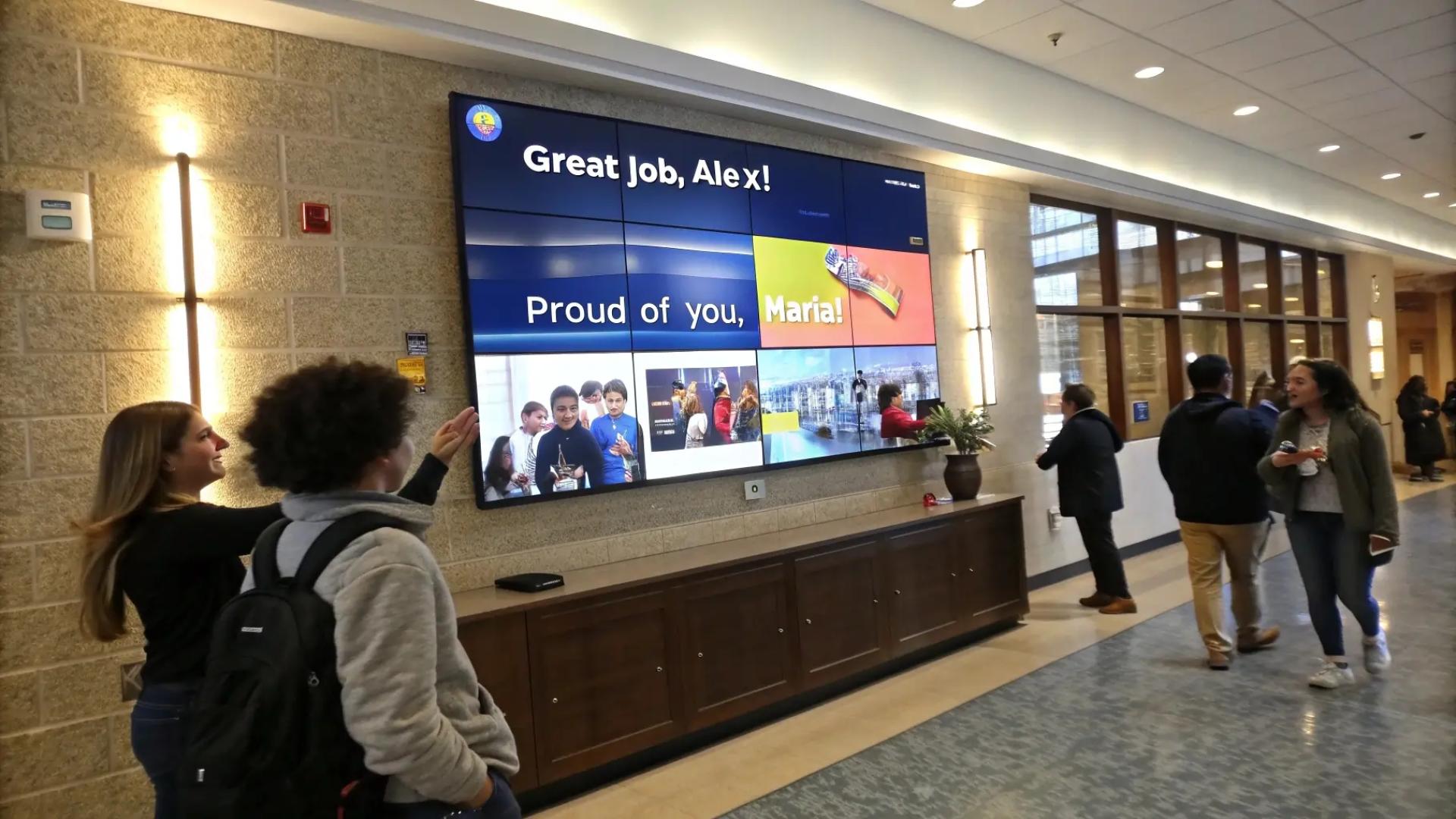
When you first saw your name on an award hanging in the school hallway, do you recall how you felt? That little glimmer of pride that lifted your spirits? The power of recognition has evolved rather than diminished in our increasingly digital world. Astute organizations are realizing that how we showcase our achievements can significantly impact the motivation and engagement of individuals within their communities.
The Psychology of Good Recognition
Of course, making people feel good is a part of recognizing them, but it's not the only part. Praise for successes in public can have strong psychological effects that encourage further growth and participation if it is done correctly. A lot of study shows that visible recognition activates the brain's reward centers, making positive connections that encourage repeat behavior.
The fact that static displays of accomplishments frequently lose their impact over time is a crucial point that many businesses seem to overlook. The frayed diplomas on the wall, or the scratched prize case off to the side? They are constantly distracted by digital gadgets like phones, social media, and video games. For recognition to have a major impact on drive, it must feel real and important.
The most effective recognition systems capitalize on our innate desire to connect and feel included. A sense of joy that extends beyond the recipient is produced when achievements are presented in a way that promotes involvement and interaction. When their efforts are recognized in public, employees feel valued. Students feel more a part of the school when they see evidence of group success everywhere they look, and parents are thrilled when their child's achievements are highlighted.
Why regular trophy cases aren't good enough
Most schools and groups today use the same old way to show off accomplishments: rows of similar trophies gathering dust, certificates going yellow behind scratched glass, or plaques that haven't been updated in years. Even though they mean well, these static shows often fail to motivate people to keep doing their best or keep their attention.
Not the honor itself, but how it is presented. Traditional screens don't have the ability to change quickly enough to keep up with today's world. They fit in with the background and are only seen when something new is added. They are quickly forgotten after that.
Furthermore, static screens can't adjust to new situations or effectively show off different achievements. They only care about a few things, and they often talk about some accomplishments while ignoring others that might be just as important to different parts of the community.
The Digital Revolution in Showing Off Your Achievements
Companies that are open to new ideas are changing what credit means in the twenty-first century. By using technology, they are making methods for recognizing things that look more like real events than artifacts. Digital displays can show both the end result and the steps that were taken to get there. For example, they could show video messages from teammates, quotes from teachers who are proud of their students, or pictures from the game that they won.
Thanks to this technological development, recognition processes can now be used by a lot more people. Digital systems can show more than just championship trophies. They can also show growth, effort, community service, academic progress, and many other types of success that are important to different people in the community. Because digital platforms are so flexible, recognition can show how diverse the people they serve are.
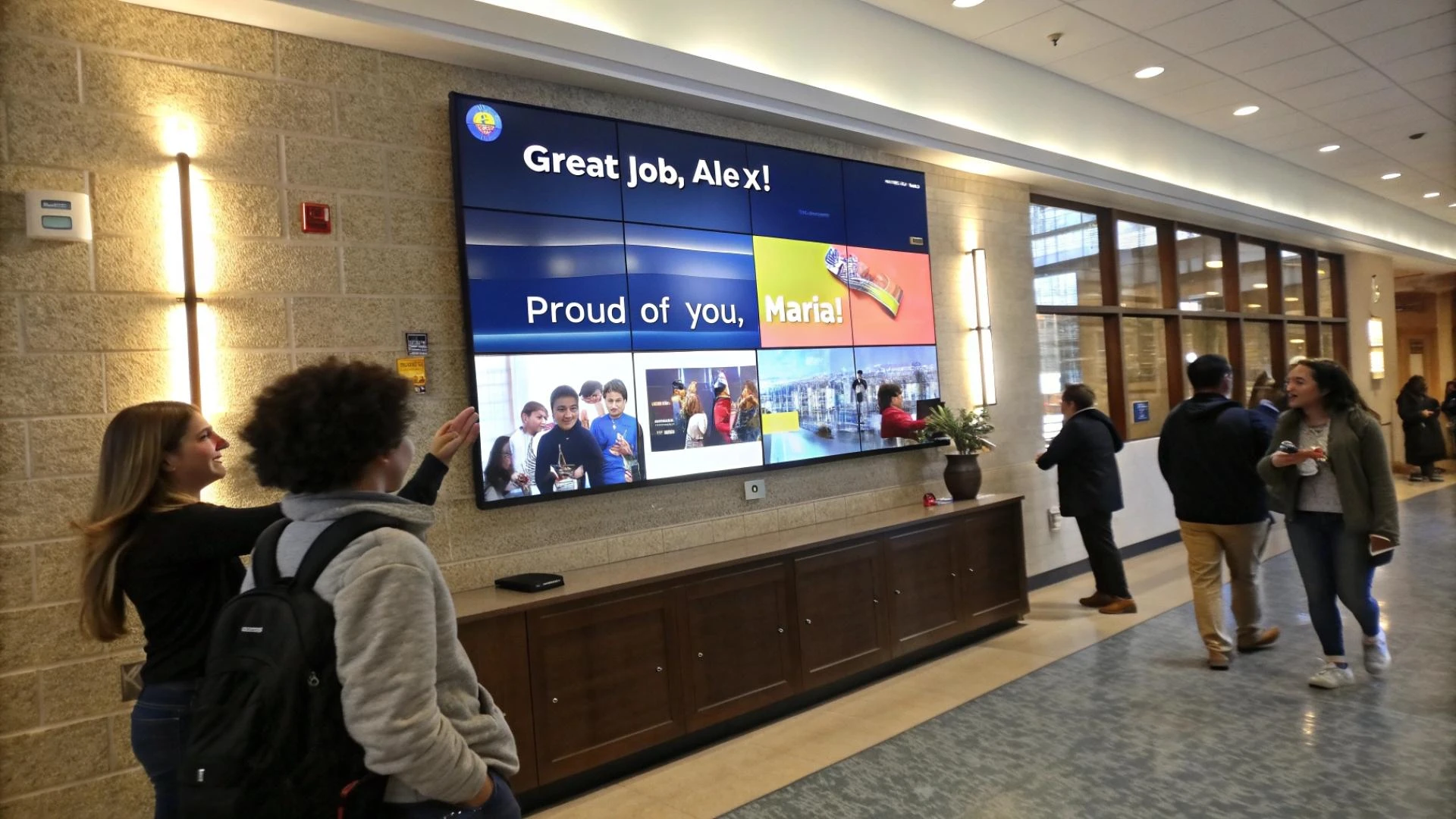
The real magic happens when recognition can be used to do things. Think about putting up a screen where people can see different types of successes, read about the people who have done them, and even add their own congratulations. At this level of participation, people who are just watching become active participants in the celebration of success.
Putting up moving monuments to success
The most powerful recognition displays are live records of what a community has done and what it stands for. A good example of this change is an interactive trophy case, which turns a wall of plaques into a lively hub that invites exploration and involvement. These modern recognition centers are updated right away to show off new successes, so celebrations can happen right away, which keeps people motivated.
Interactive systems also solve the long-standing problem of not having enough room. Since digital recognition isn't limited by space, it can grow forever. This makes sure that every success gets the attention it deserves without being overshadowed by newer ones. This plan keeps people from feeling let down when they lose the importance of things they did well in the past.
You can't say enough good things about the social side of dynamic recognition. When parents can easily share their child's big accomplishment on social media, when students can show visiting relatives how they helped them do well in school, or when staff members can think about how their work affects everyone, recognition is more than just an individual honor.
Bringing people together through shared joy
Effective recognition has an impact on more than just the recipient. When achievements are presented in an engaging and approachable manner, people are more inclined to aim for excellence in their respective fields. Principles make things tangible and visible in addition to aiding in the development of institutional culture.
Making acknowledgment appear accessible and open to all is crucial. Display systems convey the idea that there are numerous ways to succeed and change the world when they are able to showcase a variety of achievements, including leadership development, artistic accomplishments, and community service in addition to academic excellence.
Interactive recognition tools also make it possible to tell stories. Every achievement has a story of hard work, growth, and often getting past problems. Speaking these stories along with the recognition makes them more powerful and helpful for people who are also trying to reach the same goals.
The Future of Meaningful Recognition
People and groups that see honor as an ongoing conversation rather than a one-time statement will do the best in the future. In addition to celebrating successes, they will come up with ways to encourage more growth and community involvement.
One part of the recognition revolution is better technology. Another part is understanding that meaningful recognition needs to be dynamic, open to everyone, and interesting in today's world. The goal is always the same, no matter if it's reached through interactive elements, digital displays, or unique presentation methods: to build long-lasting motivation by celebrating what people have done well.
Are you ready to change the way your business rewards success? First, look at the ways you currently recognize people and see if they really get people in your community involved and motivated. The change starts when we realize that how we talk about our wins is just as important as the wins themselves.