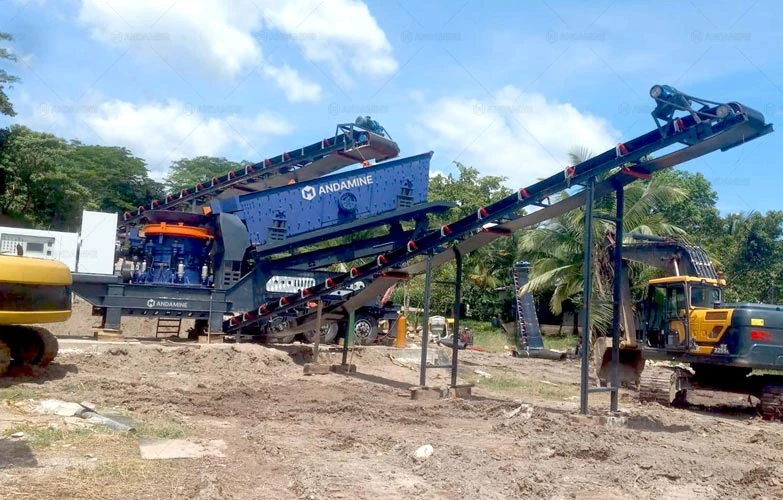
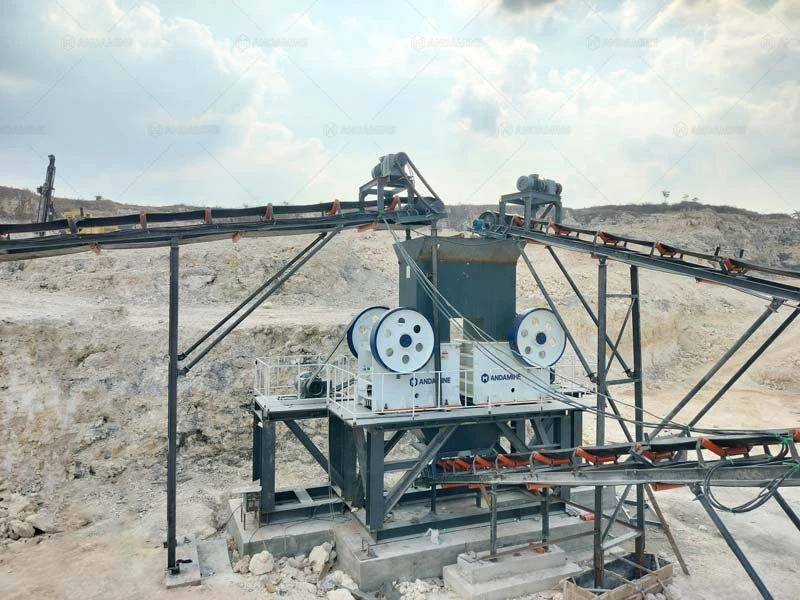
The global conversation around climate change has reached a tipping point, and the construction and mining sectors are no longer on the sidelines. In Latin America—a region blessed with abundant natural resources but also vulnerable to the effects of climate change—the pressure to decarbonize is becoming tangible. For decades, aggregate production was viewed as a low-tech, high-impact necessity. However, a shift is underway. International investors, multilateral development banks funding infrastructure projects, and even local communities are demanding greater environmental accountability. This is creating a real, measurable demand for low-carbon aggregate solutions. The challenge for producers is to meet these expectations without sacrificing profitability or productivity. Modernizing an aggregate crusher plant(planta seleccionadora de áridos) to reduce emissions, or selecting equipment based on energy efficiency, is no longer just a marketing angle; it is becoming a license to operate. For a contractor in the Andean region, understanding the price of stone crusher in Peru is only one part of the equation—understanding the carbon footprint of that crusher over its lifetime is increasingly the deciding factor in winning tenders and maintaining community relations.
Understanding the Drivers of Low-Carbon Demand
To respond effectively to the demand for low-carbon aggregates, producers must first understand where this pressure is coming from. It is not a single source but a convergence of market forces, regulatory changes, and social expectations.
The Role of Green Building Certifications
Across Latin America, from office towers in Santiago to affordable housing projects in Mexico City, green building certifications like LEED and EDGE are gaining traction. These certification systems reward the use of materials with lower embodied carbon. Aggregates, which make up the largest volume component of concrete, come under scrutiny. If a construction company can document that the aggregates came from an aggregate crusher plant utilizing energy-efficient technologies or renewable power, they earn points toward certification. This creates a direct competitive advantage for producers who can provide low-carbon materials. When a developer compares bids, the price of stone crusher in Peru(precio de chancadora de piedra en Perú) might be similar across suppliers, but the supplier offering a certified low-carbon product often wins the contract.
Infrastructure Financing Requirements
Multilateral development banks, such as the Inter-American Development Bank and the World Bank, fund a significant portion of large-scale infrastructure projects in Latin America. These institutions have stringent environmental, social, and governance (ESG) criteria. Borrowers are required to document the sustainability of their supply chains. A road project in Colombia or a dam in Brazil must demonstrate that the materials used, including aggregates, meet certain environmental standards. This means that the aggregate crusher plant supplying the project must operate in compliance with these expectations. Producers who ignore this trend find themselves locked out of the most lucrative, large-scale projects, regardless of how competitive their price of stone crusher in Peru or elsewhere might be.
Technological Pathways to Lower Carbon
Meeting the demand for low-carbon aggregates is not just about wishful thinking; it requires concrete technological investments and operational changes.
Energy Efficiency in Crushing and Screening
The crushing process is energy-intensive, and in much of Latin America, that energy still comes from fossil fuels. The most direct path to lower carbon emissions is improving energy efficiency. Modern crushers and screens are designed with advanced engineering that reduces the power required per ton of material produced. Upgrading an older aggregate crusher plant with variable frequency drives (VFDs) on motors, high-efficiency bearings, and optimized crushing chambers can significantly reduce electricity consumption. For a producer who has already considered the price of stone crusher in Peru when purchasing equipment, the next logical step is evaluating the energy efficiency rating of that equipment to ensure long-term operational costs—and carbon emissions—are minimized.
Electrification and Hybrid Solutions
Diesel-powered mobile plants have long been the standard for remote projects without grid access. However, even in remote areas, the tide is turning. Hybrid solutions that combine diesel engines with electric motors allow the plant to run on grid power when available and switch to diesel only when necessary. Fully electric mobile crushers, powered by onsite renewables or grid electricity, are entering the market. An aggregate crusher plant that can plug into the grid—especially in countries like Chile or Peru with growing renewable energy capacity—drastically lowers its carbon footprint. When evaluating the price of stone crusher in Peru, producers should now factor in the potential savings from lower fuel consumption and the ability to market "electrically crushed" aggregates to environmentally conscious buyers.
The Business Case for Low-Carbon Aggregates
While the environmental imperatives are clear, the business case must also be compelling for producers to invest in change. Fortunately, the economics are aligning.
Premium Pricing and Market Differentiation
In mature markets, low-carbon materials command a premium price. Latin America is following this trend, albeit at a different pace. Early adopters who invest in making their aggregate crusher plant more sustainable can differentiate themselves in a crowded market. When every supplier offers a similar price of stone crusher in Peru, the ability to provide a carbon footprint report alongside the delivery ticket becomes a unique selling proposition. Major construction firms under pressure to report their own ESG metrics are willing to pay a slight premium for materials that help them meet their targets. This premium can offset the investment in cleaner technology.
Risk Mitigation and Regulatory Compliance
Environmental regulations in Latin America are not static; they are tightening. Carbon taxes, emissions caps, and mandatory reporting requirements are spreading across the region. A producer operating an inefficient, high-emission aggregate crusher plant faces growing regulatory risk. Investing in low-carbon solutions is a form of insurance against future regulations. It positions the business to comply with whatever rules emerge, avoiding costly retrofits or penalties down the road. Furthermore, as carbon border adjustment mechanisms in Europe and North America evolve, even domestic producers may find that their exports or supply chains to multinationals are affected. Understanding the price of stone crusher in Peru today must include an analysis of the potential carbon-related costs of operating that crusher over its lifespan.
Operational Strategies for Reducing Emissions
Beyond equipment choices, how a plant is operated day-to-day has a massive impact on its carbon footprint. These operational strategies are often the lowest-hanging fruit for producers.
Optimizing Blasting and Feed Size
The crushing process does not begin at the crusher; it begins at the blast face. Inefficient blasting that produces oversized boulders forces the primary crusher to work harder, consuming more energy per ton. By optimizing blast design to produce a finer, more consistent feed, operators can significantly reduce the energy demand of the primary jaw or gyratory crusher. This is a low-cost strategy that reduces both carbon emissions and operating costs. For any aggregate crusher plant, whether in Brazil or Bolivia, reviewing blasting practices should be the first step in any decarbonization effort.
Reducing Haulage Distances
Haulage—moving material from the face to the crusher—is often the largest source of emissions on site, especially if diesel-powered trucks are used. Strategic planning of the quarry layout and, where feasible, using conveyors instead of trucks can slash emissions. Mobile and semi-mobile crushers that move closer to the extraction point reduce haul distances dramatically. When a producer considers the price of stone crusher in Peru, they should also consider the mobility of that crusher and its ability to move with the mining face, thereby reducing the need for long truck hauls and the associated carbon footprint.
The Role of Circular Economy and Recycled Materials
One of the most powerful ways to reduce the carbon footprint of aggregates is to avoid mining virgin material altogether. The circular economy is gaining ground in Latin America.
Construction and Demolition Waste Recycling
Cities across Latin America are generating massive volumes of construction and demolition waste. Traditionally, this waste ends up in landfills. However, with the right processing equipment, it can be converted into high-quality recycled aggregates. This material has a fraction of the carbon footprint of virgin rock because it avoids blasting, mining, and long-distance transport. An aggregate crusher plant configured to handle reclaimed concrete and masonry can serve the growing market for recycled materials. For municipalities facing landfill crises, recycled aggregates offer a sustainable solution. When contractors evaluate the price of stone crusher in Peru, those looking to enter the recycling market need crushers with specific features, such as magnetic separators and air classifiers, to produce clean recycled products.
Industrial Symbiosis Opportunities
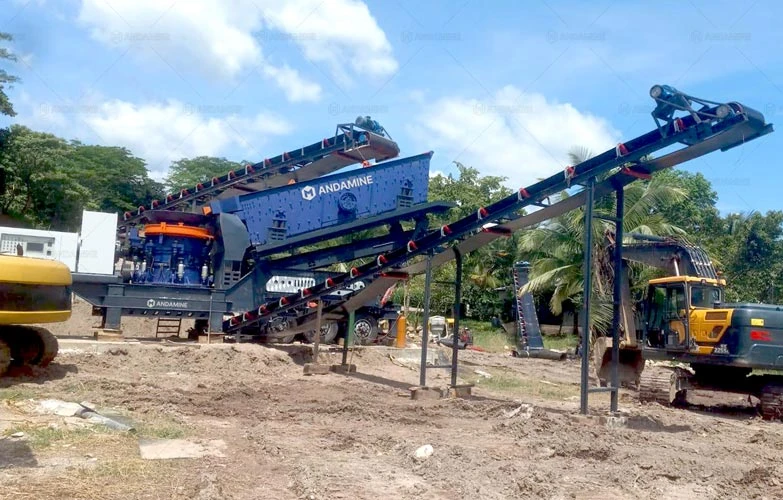
Beyond construction waste, other industries produce materials that can supplement or replace virgin aggregates. Slag from steel production, ash from thermal power plants, and mine tailings are all potential sources of material for construction. Processing these materials requires specialized equipment, but the carbon savings are enormous. An aggregate crusher plant that can handle these alternative materials positions itself at the center of an industrial ecosystem, turning waste streams into valuable products. This not only reduces carbon emissions but also creates new revenue streams and strengthens community relationships by solving waste problems.
Measuring and Communicating Carbon Performance
Finally, the demand for low-carbon aggregates cannot be met if it cannot be measured and communicated effectively. Transparency is essential.
Life Cycle Assessment for Aggregates
Producers must invest in understanding the life cycle carbon footprint of their products. This means measuring emissions from blasting, extraction, crushing, screening, and transport. Life cycle assessment (LCA) tools are becoming more accessible, allowing even medium-sized producers to calculate the embodied carbon of their aggregates. With this data, they can provide customers with Environmental Product Declarations (EPDs) that document the environmental performance of their materials. When a buyer is comparing the price of stone crusher in Peru across different suppliers, an EPD provides the transparency needed to make an informed, low-carbon choice.
Storytelling and Market Education
Having a low-carbon product is one thing; convincing the market to value it is another. Producers must engage in storytelling and education, helping customers understand why lower carbon aggregates matter and how they contribute to the customer's own sustainability goals. This involves marketing campaigns, technical presentations to engineers and architects, and participation in green building councils. By becoming thought leaders on sustainability, producers can shape the market and create demand rather than simply responding to it. The producer who can explain why their aggregate crusher plant has a lower footprint, and how that benefits the customer's project, will win the loyalty of the most forward-thinking buyers.
In the final assessment, the demand for low-carbon aggregate solutions in Latin America is not a passing trend or a niche concern. It is a fundamental shift in how construction materials are sourced, specified, and valued. Driven by green building certifications, international financing requirements, and tightening regulations, this demand is reshaping the competitive landscape. Producers who respond proactively—by investing in energy-efficient equipment, optimizing operations, exploring recycled materials, and transparently measuring their carbon footprint—will find themselves positioned for long-term success. Those who dismiss the trend as irrelevant to their market risk being left behind as the industry transforms. The decision to go low-carbon is not just an environmental choice; it is a strategic business decision that determines relevance in the markets of tomorrow. Whether you are evaluating a new cone crusher or simply reviewing your quarry plan, asking how each decision affects your carbon footprint is becoming as fundamental as asking about the price of stone crusher in Peru. The future of the industry depends on it.