R-value measures how well a material resists heat flow, but it rarely tells the full story of how a home actually performs in the harsh Nevada desert. In Green Valley Ranch, homeowners often find that doubling the thickness of standard fiberglass batts doesn't lead to a significant drop in cooling costs because R-value ignores air leakage and convection. True efficiency comes from combining thermal resistance with a total air seal, a feat that traditional thick materials often fail to achieve on their own.
This guide clarifies why chasing a high R-value number often leads to diminishing returns and how thermal performance actually works in local homes. Readers will learn the difference between lab-tested ratings and real-world results while discovering how insulation experts in Green Valley Ranch, NV evaluate a building's entire thermal envelope.

Understanding the Thermal Performance Gap
When a material is tested for its R-value, it happens in a controlled laboratory setting with zero wind or air movement. This is the first part of the "lie" that affects residents in Henderson (where Green Valley Ranch is located). In a real attic or wall, air moves constantly. Traditional fluffy materials act like a wool sweater; they keep a person warm if the air is still, but the moment a breeze blows, the heat moves right through the fibers.
In Green Valley Ranch, the summer sun beats down on roofs, creating extreme temperature differences between the attic and the living space. If the material allows air to bypass it, the R-value effectively drops to near zero in those specific spots. This is why many people have hot spots in their homes despite having "thick" layers in their attics.
Bonus Tip
Thermal bridging occurs when heat travels through solid objects like wooden wall studs or ceiling joists. Even the best insulation services cannot stop heat from moving through wood unless the material covers the entire structure, not just the gaps between the beams.
Why Air Sealing Outperforms Raw Thickness
Air infiltration accounts for a massive portion of energy loss in Nevada homes. Small gaps around recessed lights, plumbing stacks, and electrical wires allow conditioned air to escape into the attic. High R-value fiberglass or cellulose does little to stop this airflow. Because these materials are porous, they essentially filter the air as it escapes rather than blocking it.
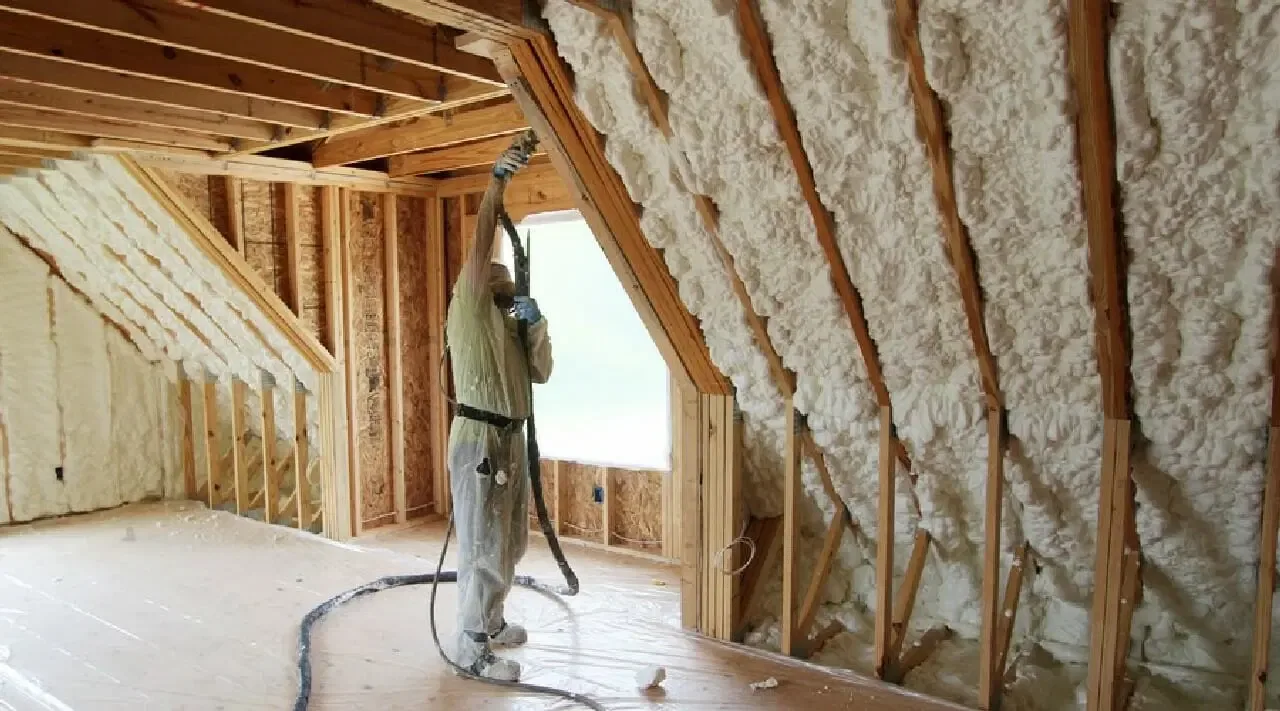
Modern insulation experts emphasize that an airtight seal is often more valuable than a high R-value. When a material expands to fill every crack and crevice, it stops the "chimney effect" where cool air leaks out the bottom of a house and hot air is sucked in through the top. This creates a more stable indoor climate regardless of the outdoor temperature.

Comparing Common Materials and Real World Effectiveness
Different materials behave differently when exposed to the local climate. While some homeowners look at the price per square foot, others look at the long-term savings provided by a professional insulation contractor. The following table shows how various materials stack up when considering factors beyond just the R-value.
Performance Characteristics of Common Materials

Market data shows that homes with a complete air seal can save up to 15% on heating and cooling costs compared to homes that only meet minimum R-value code requirements without air sealing. Furthermore, studies indicate that nearly 40% of a building's energy loss is specifically due to air leakage rather than a lack of material thickness.
The Impact of Heat Convection in Attics
Convection is the movement of heat through liquids or gases. In an attic, hot air wants to move to cooler areas. If the material in the attic is loose and allows air to circulate within it, a "convection loop" forms. This loop carries heat from the roof deck down to the ceiling drywall, bypassing the thermal resistance of the material.
In Green Valley Ranch, where attic temperatures can exceed 140 degrees Fahrenheit, these convection loops are particularly aggressive. A professional insulation company knows that stopping this air movement is the only way to ensure the R-value stays consistent. When air is trapped in tiny, closed cells or behind a dense barrier, it cannot move, which forces the heat to travel via conduction, a much slower process.
Bonus Tip
Moisture can also degrade R-value. In the rare event of a roof leak or high indoor humidity, certain materials like cellulose or fiberglass can sag or clump. This permanent loss of "loft" means the material will never return to its original R-value, even after it dries out.
Factors to Consider Before Choosing a Strategy
Before a homeowner decides to add more material to their home, they should consider several environmental and structural factors.
- Existing Air Leaks: Adding more R-value on top of a leaky ceiling is like putting a thicker blanket over someone standing in front of an open window. The window must be closed first to achieve actual warmth.
- HVAC Performance: If the ductwork is located in the attic, the choice of material affects how hard the AC system has to work. Encapsulating the attic can bring the ducts into a conditioned space.
- Venting Requirements: Traditional materials require attic vents to let heat out. However, some modern insulation services allow for an unvented attic design, which can be more effective in desert climates.
- Weight Limits: Some older ceilings may not be able to support the weight of several feet of blown-in material. Heavier doesn't always mean better.

Regional Challenges in Southern Nevada
The climate in Green Valley Ranch presents unique challenges. The diurnal temperature swing—the difference between the heat of the day and the cool of the night—can be 30 degrees or more. Materials that expand and contract without losing their seal are vital.
Additionally, the intense UV radiation and dry heat can cause some materials to become brittle over decades. Choosing a material that maintains its physical integrity is just as important as the initial R-value. Experienced insulation experts often recommend solutions that won't settle over time, ensuring the protection remains as effective in year twenty as it was on day one.
Common Questions About Home Energy Efficiency
Does more insulation always mean a cooler house?
Not necessarily. If the house has significant air leaks or poor windows, simply adding more material to the attic will have a limited impact. The house must be treated as a whole system where air sealing and thermal resistance work together.
Why does my upstairs stay hot even with new insulation?
This is often due to the "stack effect." Hot air from the lower levels rises and pushes against the ceiling. If there isn't a solid air barrier, heat enters the attic, or attic heat radiates down through the ceiling joists. This is a common issue that a professional insulation contractor can solve by addressing thermal bridging.
How long does modern insulation last in Nevada?
While some materials can last 20 to 30 years, their effectiveness can drop if they settle or are disturbed by pests or other contractors. Spray-applied options generally have the longest lifespan because they adhere to the structure and do not settle or sag over time.
Can I just add more fiberglass on top of my old stuff?
While possible, it is often better to remove old, dusty, or pest-damaged material first. Adding new layers on top of old ones can also hide existing air leaks that should be sealed with foam or caulk before the new material goes in.
Moving Beyond the R-Value Metric
Focusing solely on material thickness is an outdated approach to home comfort. Residents in Green Valley Ranch need to look at how a material handles air movement, moisture, and the intense desert sun. A lower R-value material that provides a perfect air seal will often outperform a higher R-value material that allows air to pass through.
Homeowners should evaluate their needs based on long-term energy savings and indoor air quality. By prioritizing a complete thermal envelope rather than just a thick layer of fluff, they can ensure their home remains a sanctuary from the Nevada heat.
Seeking Professional Guidance for Home Efficiency
When it comes to upgrading a home, consulting with a specialized insulation company can clarify the best path forward. They can perform assessments that show exactly where heat is entering the home. For those in the Henderson area, Supreme Spray Foam LV offers a variety of solutions ranging from attic and wall treatments to specialized commercial applications. They can be reached at [email protected] or by calling (702) 904-9895 to discuss specific project needs. Their team focuses on providing a total seal that addresses the unique climate demands of Green Valley Ranch, ensuring that the R-value the homeowner pays for is the performance they actually receive.
Author: J. Miller, Building Science Contributor
Reviewer: S. Thompson, Energy Efficiency Consultant