
In the automotive world, brand symbols have always carried enormous weight. The grille of Audi or the roundel of BMW are not just decorative elements—they are instantly recognizable identities built over decades.
Yet today the industry is entering a quiet but profound transformation. Many automakers are gradually simplifying, redesigning, or even removing the visual symbols that once defined them. What may seem like a design trend is actually the result of deep technological, cultural, and economic shifts reshaping the automotive landscape. (carrating.org)
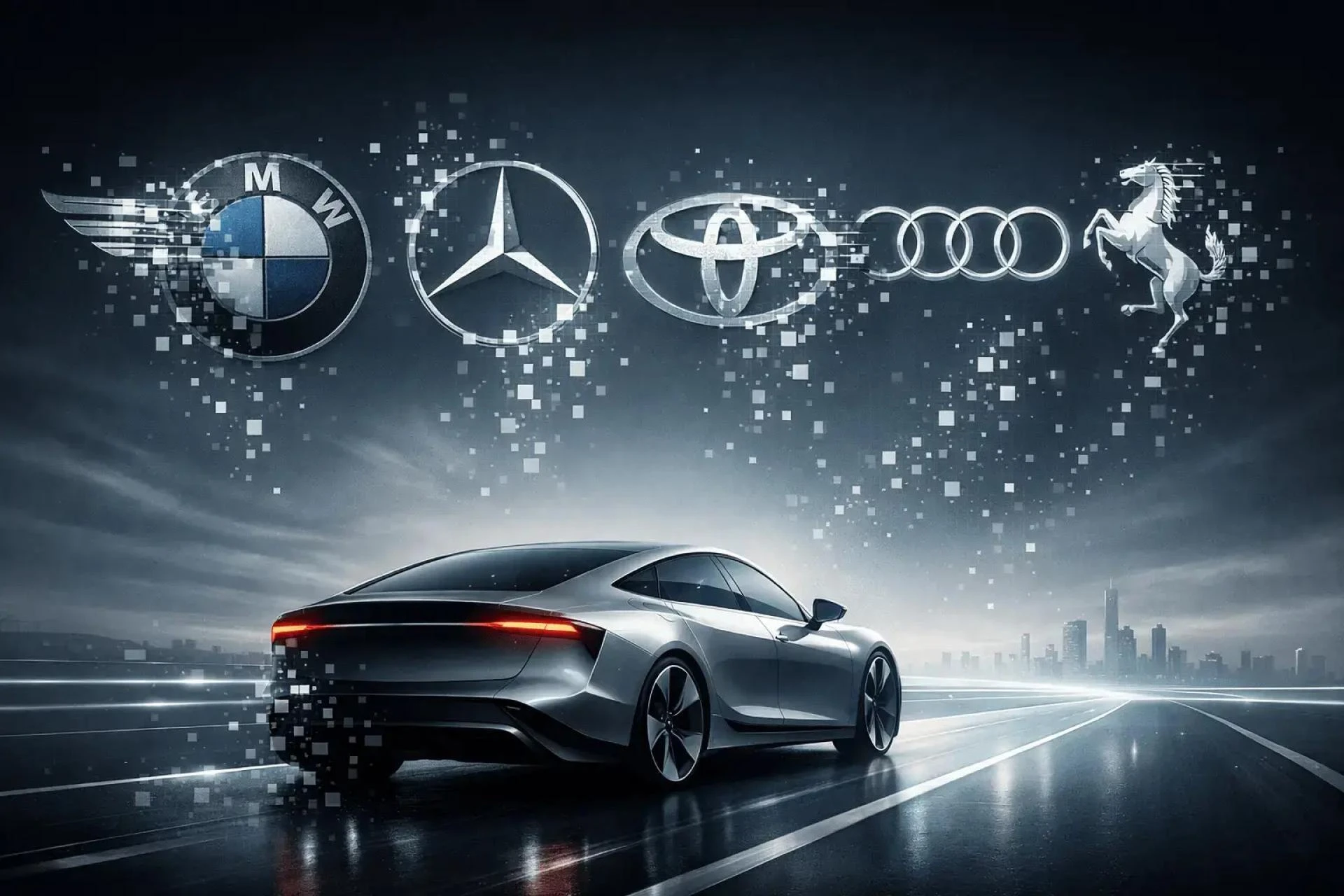
The End of Traditional Automotive Identity
For decades, car brands invested enormous resources into building recognizable design elements. A large grille, a chrome emblem, or a distinctive badge became part of a vehicle’s “face.”
But modern cars—especially electric vehicles—no longer require the same design structures. Electric powertrains remove many mechanical components that once dictated vehicle design. As a result, features like large cooling grilles are becoming unnecessary. (carrating.org)
This change forces designers and engineers to rethink how a car should look in a new technological era.
Technology Is Reshaping Car Design
One of the biggest drivers of this shift is the rise of electric vehicles.
Unlike traditional combustion engines, electric motors produce far less heat and do not require large air intakes. That means the iconic front grille—once a functional component—often becomes purely decorative.
At the same time, modern vehicles rely on cameras, radar, and lidar sensors for driver assistance and autonomous features. These systems require smooth, unobstructed surfaces to function properly.
Aerodynamics also plays a crucial role. Reducing air resistance can significantly increase an electric car’s driving range. Even small improvements in front-end design can add several kilometers of range without increasing battery size. (carrating.org)
Because of these factors, many automakers are moving toward cleaner and more minimal front designs.
Minimalism and the New Language of Luxury
Beyond engineering, consumer preferences are also changing.
Younger buyers—especially those raised in a digital environment—tend to value simplicity and technological integration over traditional status symbols. Features like smartphone connectivity, digital interfaces, and seamless user experience are becoming more important than exterior branding. (carrating.org)
This shift explains why many brands are simplifying their logos and design elements. Flat logos and minimal styling work better on digital screens, mobile apps, and in-car interfaces.
In other words, the identity of a car brand is gradually moving from the physical world to the digital one.
Economics and Global Manufacturing
Another reason behind the transformation is efficiency.
Simpler logos and cleaner design elements are easier and cheaper to manufacture. Large global automakers operate dozens of factories across different continents, and every complex badge or decorative element adds production costs.
A universal, simplified design can be applied across multiple vehicle types—from compact cars to electric SUVs—without significant redesign.
This approach also allows companies to maintain consistent branding across physical vehicles and digital platforms.
Which Automotive Icons Could Disappear Next?
Industry observers believe that several famous design elements may evolve in the coming years.
Large decorative grilles—once a hallmark of luxury—are particularly vulnerable as electric vehicles become more common.
For example, brands such as Mercedes-Benz have already begun experimenting with illuminated panels and simplified front-end designs for their electric models.
At the same time, some historic symbols remain deeply rooted in brand identity. Elements like the seven-slot grille of Jeep are strongly tied to heritage and may survive longer in modified form. (carrating.org)
The Risk of Losing Identity
Despite the advantages of minimalism, this transformation carries certain risks.
If every manufacturer moves toward simplified and aerodynamic designs, vehicles may begin to look increasingly similar. Without distinctive features, brand identity could weaken.
Some automotive designers warn that excessive minimalism could make cars visually dull and indistinguishable from one another.
There is also a cultural challenge: loyal fans often see iconic design elements as sacred parts of a brand’s history. Removing them can trigger backlash from enthusiasts.
The Future of Automotive Identity
While traditional symbols may fade, new forms of brand identity are already emerging.
Instead of physical elements, the icons of future vehicles may include:
- Unique lighting signatures in headlights and taillights
- Distinctive digital interfaces and operating systems
- Characteristic sounds created for electric motors
- Personalized driving algorithms in autonomous vehicles
In this new era, the car is transforming from a purely mechanical object into a digital environment on wheels.
Conclusion
The disappearance of traditional automotive symbols is not simply a design trend—it reflects a fundamental transformation of the industry.
Electric powertrains, digital technology, and changing consumer expectations are redefining what a car represents.
Rather than abandoning their heritage, automakers are searching for new ways to express their identity in a world where vehicles are becoming smarter, cleaner, and more connected than ever before.
The quiet revolution has already begun—and the face of the automobile may never look the same again.