With the rise of the integrated care model in orthopedics, patients are less likely to experience fragmented, "hand-off" care, where, for example, the surgeon would fix structural issues and the therapist would "manage" the aftermath with little to no coordination. In fact, the best case scenarios for clinical outcome results for patients will be in the integrated care model by orthopedic surgeon Dubai. The best clinics will treat the patients' structural issues and functional issues simultaneously and will regard the patients as complex systems rather than a collection of individual symptoms or "injured parts". By being able to house the diagnostic and therapeutic/rehabilitative capabilities and philosophies of both structural and functional care under the same roof, a premier orthopedic clinic in Dubai will be able to provide the best outcomes in the least time.
The Blueprint of Complete Care
Integrated Approach to Care models go well beyond the surgery and start in the clinic. They begin when a multi-disciplinary team (MDT) which consists of a surgeon and therapist collaborate to assess patients' pre-operative biomechanics. Essentially, the goal of this goal-setting surgery is to achieve the patient’s activities of daily living which may include going back to the sport if it is a professional football player or walking without any pain.
- Pre-habilitation (Pre-hab): Pre-hab is one of the most innovative and efficacious components of integrated care. Patients, under the supervision of a specialist, strengthen the muscles around an injured joint prior to surgery to create a ‘buffer’ of strength, which enables significantly quicker postoperative gains.
- Unified Diagnostic Language: Digital records and imaging create a seamless flow of information between the surgeon and rehabilitative team. There is *no ‘lost in translation’ scenario for a specific tension of a graft , or a stable versus unstable repair of a bone.
- Adaptive Recovery Protocols: Contrary to a one-size-fits-all 12-week recovery plan, integrated teams personalize the protocol in real-time based on the biological tissue behavior in response to targeted stress.
Stage of CareClinical FocusIntegrated Team MembersPhase 1: DiagnosisIdentifying structural vs. functional limitsSurgeon, Radiologist, Lead TherapistPhase 2: InterventionSurgical repair or regenerative injectionOrthopedic Specialist, AnesthesiologistPhase 3: ProtectionManaging inflammation and early mobilityPhysical Therapist, Nursing TeamPhase 4: LoadingStrengthening and neuromuscular re-educationSenior Physiotherapist, Strength CoachPhase 5: Return to SportSport-specific drills and impact testingBiomechanics Expert, Sports Doctor
The Hub of Performance: Sports Medicine in Dubai
The rapid development of sports medicine in Dubai has been at the forefront of this integrated care paradigm. The focus in a high-performance setting goes beyond mere "healing" to "optimization.” This often extends to the inclusion of sports massage and other soft tissue recovery methods as well as the use of the Alter-G treadmill and other maintained cardiovascular fitness devices while healing a limb.
Technology as a Bridge
Within an integrated care model, technology serves as a connector across disciplines. A case in point is how motion capture analysis can assist a surgeon in evaluating how a patient’s gait has been impacted by chronic hip pain. Then, after surgery, the therapy team uses the same data to ensure the patient doesn’t develop harmful movement patterns. This feedback loop based on data minimizes uncertainty in recovery, offering objective signals as to when it is safe to increase the intensity of activities.
The Human Element: The Role of the Physiotherapist
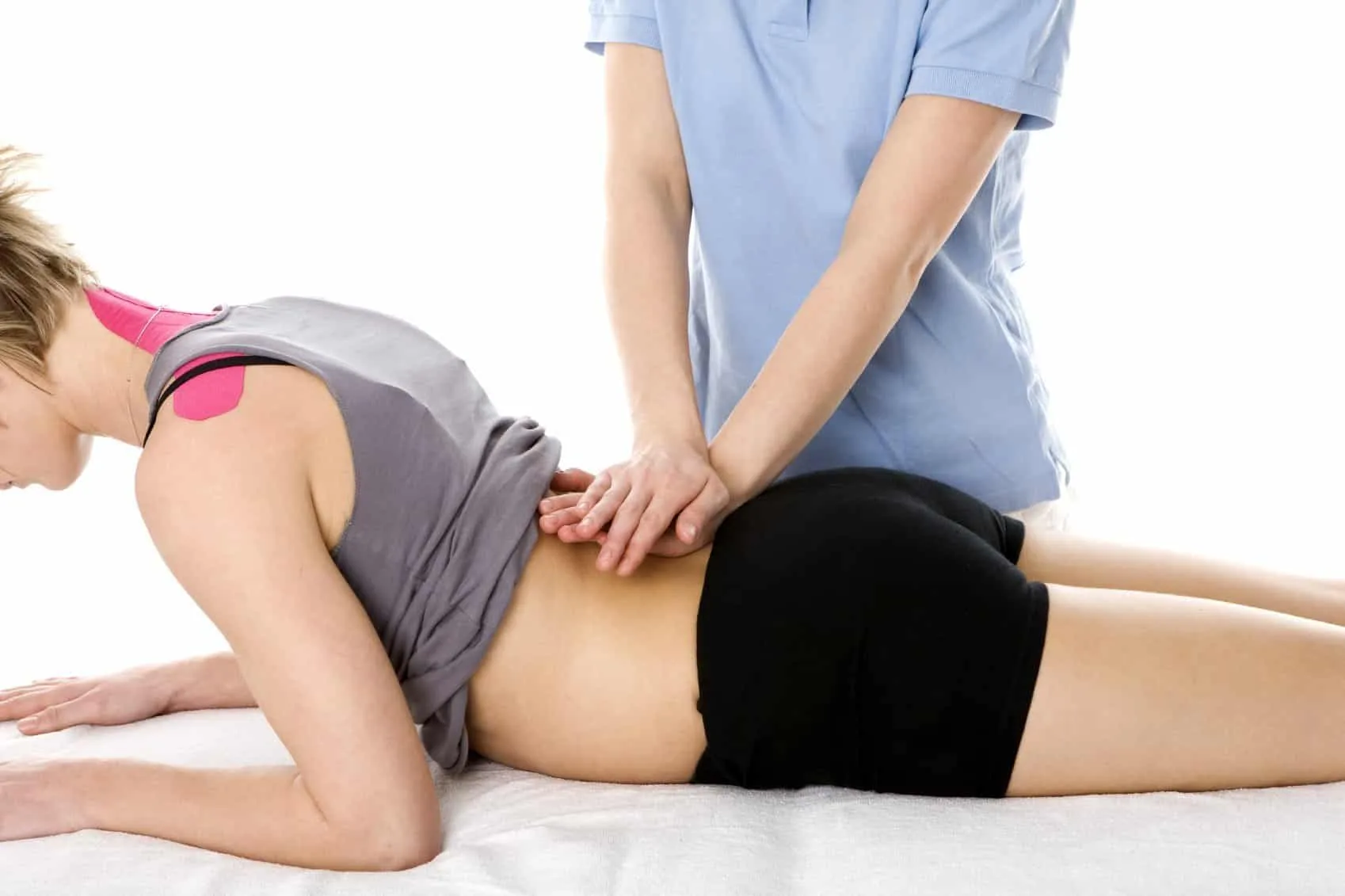
While the surgeon lays down the structural components of the body, the physiotherapist develops the patient’s day-to-day advancement. The bond that a patient forms with their physiotherapist in Dubai is usually the most enduring in their recovery story. These experts take on the painstaking task of 'neuromuscular re-education', which is, in essence, re-thinking the brain’s trust in the injured limb.
The therapist, through manual therapy, dry needling, and progressive resistance training, works to ensure that the 'hardware' provided or repaired by the surgeon is complemented with ‘software’ (the associated muscles and nerves) that is strong, flexible and responsive. This all-encompassing approach does not merely resolve an issue; it actually builds an individual’s capacity. Patients of the UAE who pick a facility that integrates orthopedics and physiotherapy like two sides of the same coin, are guaranteeing that they receive the very best that modern medicine can provide to bring them back to good health quickly, safely and with minimum discomfort.