
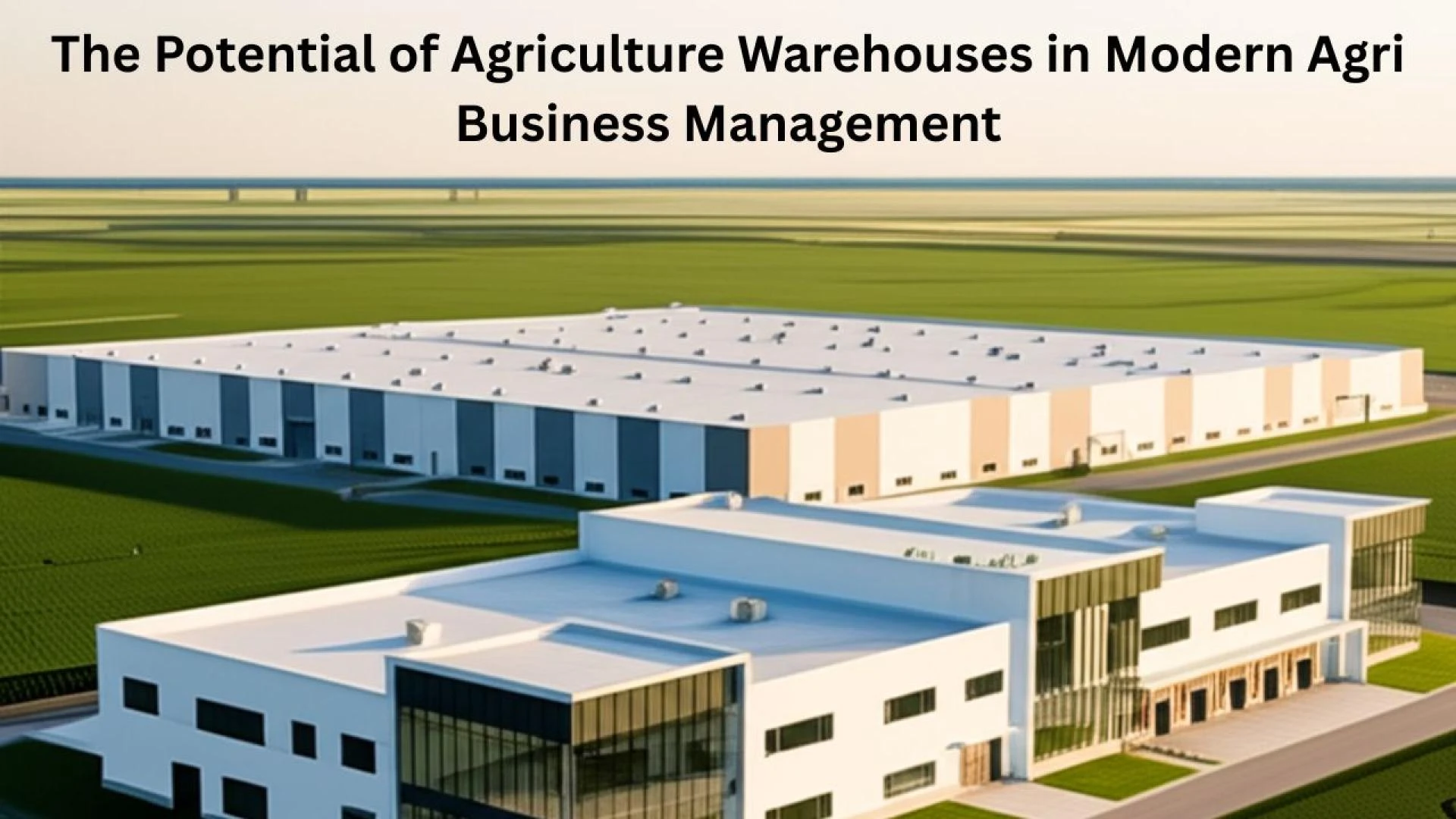
In today’s fast-changing agricultural industry, storage is no longer just a support function — it is a key part of successful agri business management. With increasing demand for food, changing climate patterns, and rising input costs, farmers and agribusinesses must ensure that their crops and produce are stored safely and efficiently. This is where the importance of an agriculture warehouse becomes clear.
Understanding Agriculture Warehouses
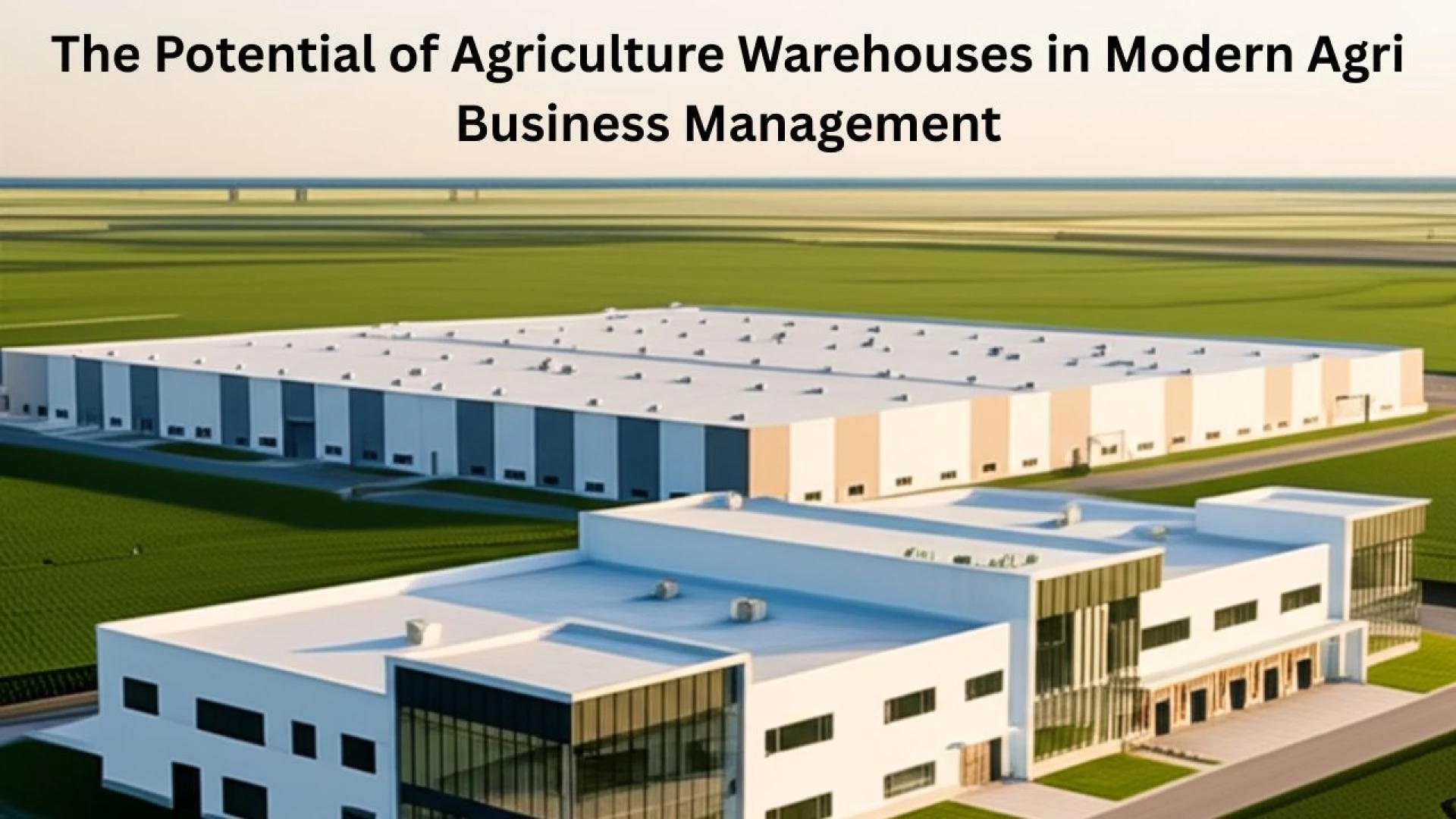
An agriculture warehouse is a storage space used to keep farm produce such as grains, vegetables, seeds, fertilizers, and equipment safe from weather, pests, and theft. These warehouses help maintain the quality of products until they are sold or used.
With proper warehouse business management, farmers can avoid distress sales during harvest season when prices are low. Instead, they can store their produce and sell it later at better rates. This not only increases their income but also ensures food security in the country.
Why Warehousing is Vital in Agri Business Management
Agri business management involves managing the production, storage, marketing, and distribution of agricultural products. Out of these, warehousing management plays a crucial role in maintaining product value between production and sale.
Here’s how effective warehousing adds value to agri-business:
- Reduces crop losses by protecting against pests and climate damage.
- Improves market timing, allowing farmers to sell when prices are favorable.
- Supports bulk handling, making large-scale supply chain operations easier.
- Enables better financing, as stored crops can be used as collateral for loans.
As agri businesses scale up, they require smarter solutions like warehouse management systems (WMS) to track inventory, manage logistics, and optimize space.
The Rise of the Warehouse Business in Agriculture
In recent years, the warehouse business has become an attractive sector for investors, entrepreneurs, and cooperatives. The growing demand for high-quality storage, rising agricultural production, and government support have created a strong market for building and operating agriculture warehouses.
A well-run warehouse business in agriculture can serve various stakeholders:
- Individual farmers who want to store their produce.
- Farmer Producer Organizations (FPOs) managing collective storage.
- Agri-input companies needing space for seeds and fertilizers.
- Traders and exporters require bulk storage for shipments.
With proper planning and warehouse business management, these facilities can generate long-term income while solving a major problem in the agri value chain.
Warehouse Subsidy Schemes – Government Support
To encourage the growth of agriculture warehousing, the government offers financial aid in the form of a warehouse subsidy. These subsidies reduce the cost of construction and make it easier for small and medium players to set up their own godowns.
One such initiative is the Agriculture Godown Scheme, which provides:
- Subsidies on construction costs (usually up to 33%–50%)
- Support for warehouses ranging from 100 to 10,000 metric tons
- Benefits for farmers, cooperatives, NGOs, and private players
- Loans through NABARD and cooperative banks
Under this scheme, many rural entrepreneurs and FPOs have already built their own warehouses, improving rural infrastructure and creating jobs. With the support of the agriculture godown scheme, farmers are no longer forced to sell immediately after harvest at low prices.
Technology and the Warehouse Management System (WMS)
Today’s large agriculture warehouses rely on warehouse management systems to improve efficiency. A WMS is software that helps track inventory, manage storage locations, plan shipments, and reduce errors.
Benefits of using a warehouse management system include:
- Real-time inventory tracking
- Better planning of inward and outward goods
- Reduced spoilage and losses
- Integration with supply chain and logistics platforms
In modern warehousing management, WMS plays the same role as tractors and harvesters play in farming — they make the process faster, smarter, and more reliable.
Challenges in Agriculture Warehousing
Even though the benefits are clear, there are still some challenges in setting up and managing an agriculture warehouse:
- High Initial Cost: Building a warehouse can be expensive, even with subsidies.
- Lack of Awareness: Many small farmers are unaware of schemes like the agriculture godown scheme or how to access a warehouse subsidy.
- Poor Infrastructure: In rural areas, access roads and power supply may be limited.
- Technology Gaps: Using a warehouse management system requires training and support.
Addressing these challenges requires government efforts, private partnerships, and more awareness at the grassroots level.
Future Outlook: A Growing Opportunity
The future of agriculture warehouse development looks promising. As India moves toward more organized agriculture and supply chain systems, warehousing management will become a backbone of food security and trade.
Some trends that show the future potential include:
- Public-Private Partnerships (PPP) in building warehouse infrastructure
- Increased use of warehouse management systems
- Rising investment in cold storage and smart warehouses
- Wider coverage of the agriculture godown scheme
For young entrepreneurs and farmers, entering the warehouse business with the right knowledge, partners, and tools can be a profitable and impactful decision.
Conclusion
The role of the agriculture warehouse in modern agri business management is vital. It’s not just about storage — it’s about strategy, stability, and smart business decisions. With effective warehouse business management, advanced tools like warehouse management systems, and strong government support through warehouse subsidy programs and the agriculture godown scheme, Indian agriculture is moving toward a more efficient and profitable future.
Now is the time to invest in warehousing management, upgrade your storage infrastructure, and ensure every grain produced by farmers reaches the market in top condition and at the right price. That’s where KIP 4 Business comes in — empowering farmers, agri-startups, and rural enterprises with tailored solutions in warehouse business, storage planning, subsidy assistance, and modern warehousing management systems.