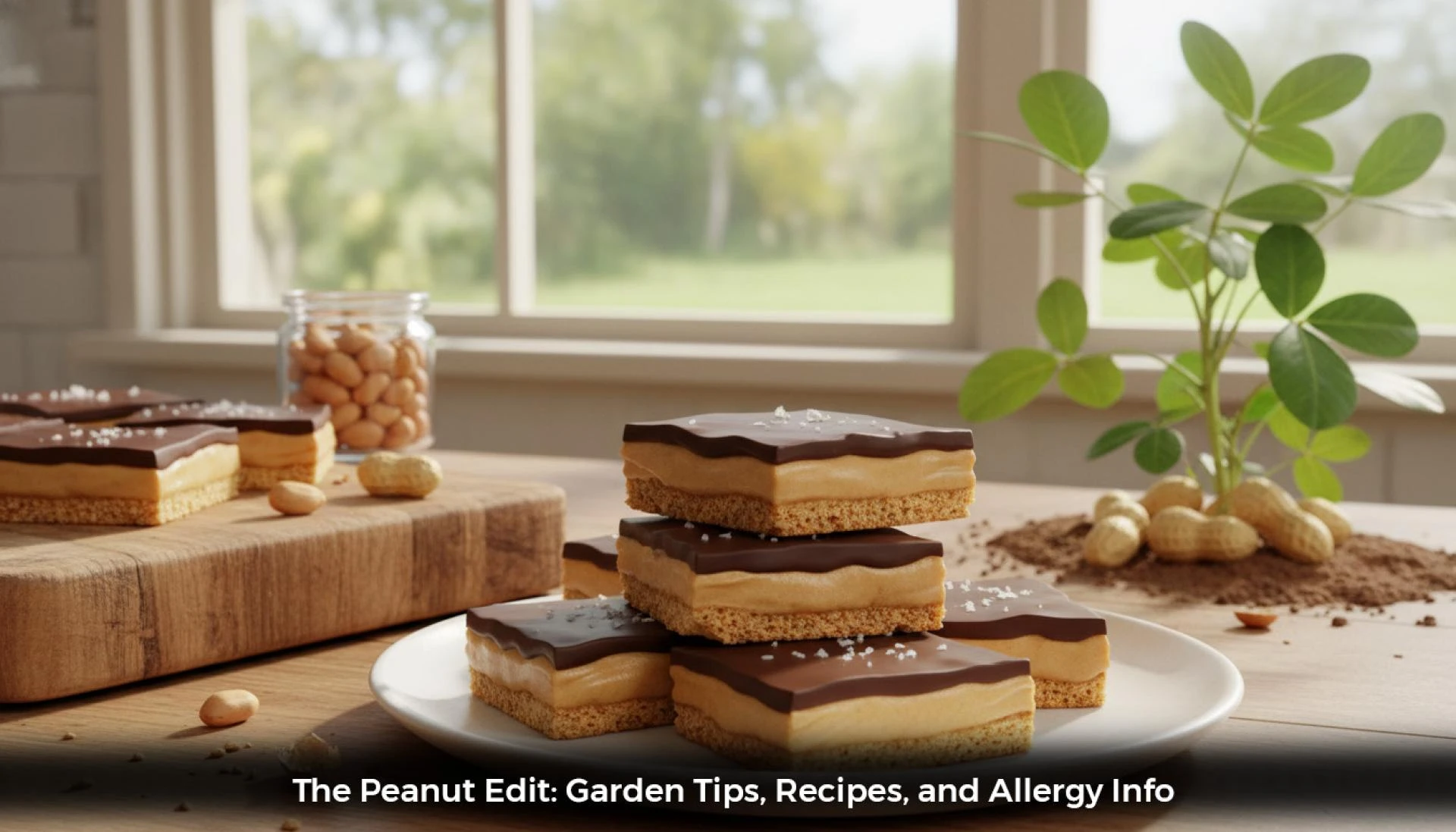
Peanut Slices Recipes have long been a favorite in household kitchens, offering a perfect blend of crunch and sweetness that appeals to all ages. In this edition of "The Peanut Edit," we dive deep into the world of this versatile legume. Whether you are a green-thumbed gardener wanting to harvest your own crop, a home chef looking for the ultimate snack, or a parent navigating health requirement, understanding the full spectrum of the peanut is essential. This guide aims to simplify the complexities of cultivation and cooking while keeping safety at the forefront of the conversation.
Culinary Delights: Crafting the Perfect Snack
When it comes to the kitchen, few things are as satisfying as a tray of homemade treats. Many people search for the perfect Peanut Slices Recipes to serve at afternoon tea or as a quick energy boost during a busy workday. A classic slice often combines a buttery biscuit base with a thick layer of smooth or crunchy nut butter, topped with a rich chocolate ganache or a light sprinkle of sea salt. By using high-quality Australian peanuts, you ensure that the natural oils and roasted flavors shine through, making your desserts stand out with an authentic, nutty depth that mass-produced, processed alternatives simply cannot match.
Growing Your Own: The Backyard Legume
For those who prefer a "farm to table" approach, cultivating your own legumes can be an incredibly rewarding experience. A comprehensive Peanut Grow Guide begins with choosing the right environment; peanuts thrive in loose, sandy soil and require a long, warm growing season of at least four to five months. Unlike many other plants, peanuts are unique because they flower above ground but fruit below it—a process known as geocarpy. Ensuring your garden bed is well-draining and keeping the soil moist during the "pegging" stage is crucial for a successful harvest of plump, healthy pods that are ready for roasting.
Navigating Safety: Health and Awareness
While peanuts are a nutritional powerhouse, safety is a priority for many families and food service providers. Understanding Peanut Allergies is the first step toward creating a safe dining environment, as these allergies can range from mild sensitivities to severe, life-threatening reactions. It is important to recognize that even trace amounts of peanut protein can trigger an immune response in sensitive individuals. Staying informed about cross-contamination, reading labels diligently, and knowing the latest medical guidelines helps ensure that everyone can enjoy food safely while respecting the dietary boundaries of those around us.
Quick Peanut Facts and Garden Tips:
- Nitrogen Fixers: Peanuts are great for your garden because they naturally add nitrogen back into the soil.
- Water Efficiency: Compared to many tree nuts, peanuts require significantly less water to grow.
- Storage: Keep your harvested peanuts in a cool, dry place to prevent mold and maintain crunchiness.
- Zero Waste: Don't throw away the shells! They can be crushed and used as excellent garden mulch or added to a compost bin.
The journey of the peanut—from a small seed in the ground to a delicious slice on your plate is filled with interesting steps and important considerations. By mastering the art of the garden and the kitchen, you can fully appreciate why this legume remains a global favorite. Whether you are planting your first crop or baking a fresh batch of treats, quality makes all the difference. For the best inspiration and the finest Australian produce to fuel your kitchen adventures, look no further than the experts at The Peanut Van, where passion for peanuts meets decades of tradition.