
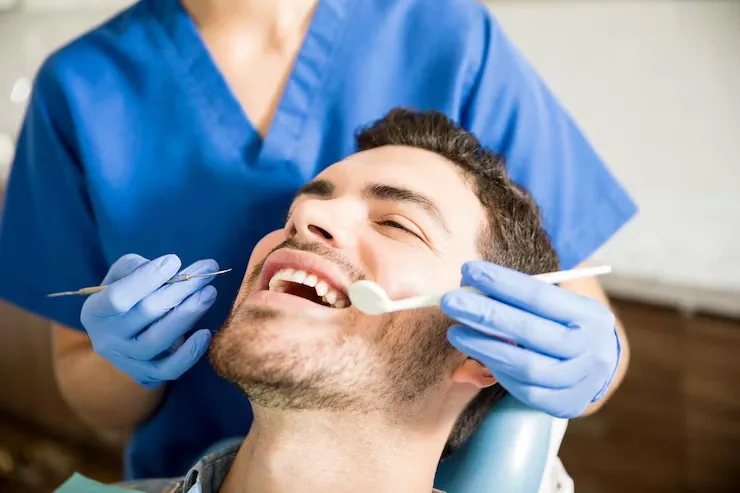
Good oral health doesn't happen by accident. It's the product of consistent habits at home, reinforced by consistent professional care. Understanding what makes the biggest difference — and what to look for in the dental practice supporting your routine — is the foundation of keeping your teeth and gums genuinely healthy for the long term.
What Daily Oral Care Actually Requires
Brushing twice a day is the baseline — but technique matters as much as frequency. Using a soft-bristled brush at a 45-degree angle to the gum line, brushing for a full two minutes, and covering every surface of every tooth is the standard. Electric toothbrushes consistently outperform manual ones in clinical studies for removing plaque and reducing gum inflammation, particularly for patients who find it difficult to maintain consistent technique manually.
Flossing once daily is non-negotiable for gum health. Interdental brushes and water flossers are effective alternatives for patients with bridgework, implants, or tight contacts where traditional floss is difficult to use effectively.
Mouthwash is supplementary — it doesn't replace brushing and flossing, but an antibacterial rinse adds a meaningful layer of protection against gum disease for patients who are prone to it.
What Diet Does to Teeth Over Time
The relationship between diet and oral health is more significant than most patients appreciate. Sugar isn't the only concern — frequency of eating matters as much as what you eat. Every time food or drink is consumed, oral pH drops and creates conditions favorable to decay. Patients who snack constantly throughout the day are exposing their teeth to repeated acid challenges that erode enamel incrementally.
Acidic beverages — citrus juices, sodas, sparkling water — are more erosive than most patients realize. Consuming them with meals rather than sipping throughout the day, and rinsing with water afterward, significantly reduces their impact.
Calcium-rich foods — dairy, leafy greens, almonds — actively support tooth and bone strength. Crunchy vegetables and apples mechanically clean tooth surfaces and stimulate saliva production, which is among the mouth's most important natural defense mechanisms.
The Role of Professional Care in Maintaining Results
Home care handles what's accessible with a brush and floss. Professional care addresses what home care can't — calculus buildup below the gum line, areas of early decay that are asymptomatic, gum pockets that are deepening, and early signs of oral pathology that have no visible symptoms.
The every-six-months recommendation exists because that's approximately the interval at which calculus accumulates to clinically significant levels in most patients, and at which early problems can still be addressed conservatively. Extending that interval allows small problems to become larger and more expensive ones.
Signs That Your Gum Health Needs Attention
Gum disease is among the most widespread and under-managed oral health conditions — largely because its early stages are painless. Signs that warrant prompt professional attention include gums that bleed regularly during brushing or flossing, visible recession exposing root surfaces, persistent bad breath that doesn't resolve with improved hygiene, or teeth that feel loose or have shifted in position.
Any of these are signals that gum disease has progressed beyond gingivitis and requires professional management, not just improved home care.
Finding the Right Dental Partner in Fort Worth
The dental practice you choose should function as a genuine partner in your oral health — one that invests in prevention, communicates clearly about findings, and builds a treatment relationship that improves your dental health over time rather than simply managing problems reactively.
For patients in the area seeking a reliable dentist fort worth tx who combines comprehensive preventive care with a patient experience built around comfort and transparency, Smile Muse Spa offers exactly that kind of long-term dental partnership.
FAQs
Q: How can I tell if I have gum disease?
Bleeding gums, persistent bad breath, gum recession, and sensitivity at the gum line are the most common signs. The only way to accurately assess gum health is through professional periodontal probing — self-assessment isn't sufficient.
Q: Is an electric toothbrush worth the investment?
For most patients, yes. Clinical evidence consistently shows superior plaque removal compared to manual brushing, and the built-in two-minute timers and pressure sensors in most models improve technique automatically.
Q: What should I do if I haven't been to a dentist in several years?
Schedule an appointment. Most dental practices are experienced at welcoming patients who have lapsed, and the first step is simply getting a comprehensive assessment of where things stand currently.