As we move toward 2026, the definition of a "professional broadcast" has fundamentally changed. We are no longer tethered to massive satellite trucks or expensive studio setups to reach a global audience. The world has moved into a phase of radical transparency and instant access, where the value of content is often measured by its immediacy.
Whether it’s a breaking news report, a high-stakes corporate announcement, or a live look at a music festival, the expectation from the viewer is the same: it must be high-definition, it must not buffer, and it must be accessible on any device.
The Invisible Engine of Global Delivery
In the early days of mobile broadcasting, the biggest fear was the "spinning wheel of death." A creator could have the most engaging content in the world, but if the connection dipped for a second, the audience vanished. Today, the technology has caught up with our ambitions.
The backbone of this reliability is the hls live stream. HTTP Live Streaming (HLS) has evolved to become the most resilient protocol for reaching a fragmented global audience. By breaking the broadcast into small, downloadable data segments, it allows for adaptive bitrate delivery. This means if a viewer moves from a 5G zone to a patchy building interior, the stream doesn't cut out; it simply scales the quality in real-time. This level of technical sophistication ensures that your message is delivered, regardless of the user's infrastructure.
The Power of the Pocket Studio
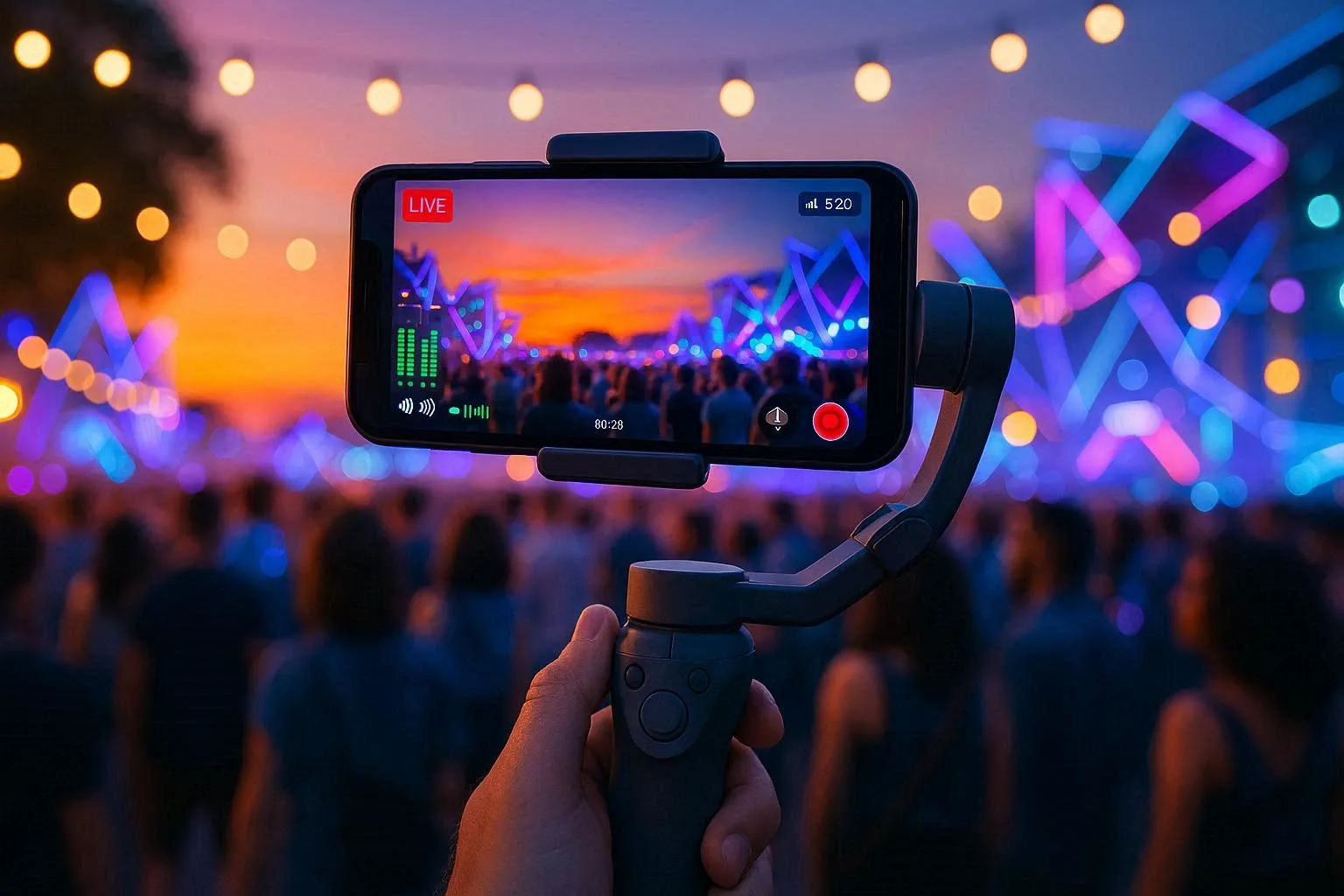
In 2026, the most powerful tool for a broadcaster isn't a $50,000 camera—it’s the device already in their pocket. We have reached a point where mobile hardware and software are so tightly integrated that the gap between a smartphone and a professional encoder has virtually disappeared.
Creators now have the unprecedented freedom to go live from mobile phone without sacrificing the features that make a broadcast look "pro." We are talking about multi-bitrate switching, real-time graphics overlays, and low-latency interaction. This shift has democratized live media, allowing brands to be more agile and responsive. You don't need a production crew to capture a "behind-the-scenes" moment; you just need a stable app and a story to tell.
Why 2026 is the Year of the Agile Broadcaster
The trends we are seeing this year point toward a more "human" version of digital connection. Audiences are moving away from overly polished, pre-recorded content in favor of the raw energy of live interaction.
To stay ahead, successful creators are focusing on three key areas:
- Multi-Platform Ubiquity: Ensuring the stream works natively on smart TVs, tablets, and wearables simultaneously.
- Interactive Latency: Reducing the "delay" so that hosts can respond to chat comments in under two seconds.
- Stability in Motion: Utilizing protocols that can handle the handoff between different network towers as a broadcaster moves through a city.
Closing Thoughts
The future of media is live, mobile, and incredibly robust. By leveraging professional-grade delivery protocols and embracing the power of mobile technology, you can bridge the gap between your brand and your audience. The technology is finally invisible, leaving you with one simple task: telling a great story.