
The recent incident involving a united airlines flight ua770 emergency diversion highlights the critical importance of real-time monitoring. Safety remains the top priority for every major carrier in the skies today.
AI systems are now being integrated into cockpit analytics to help pilots make faster decisions. These tools ensure that every mechanical nuance is tracked before a situation becomes critical.
Understanding how these technologies work is essential for the future of travel. It’s not just about the planes, but the data that keeps them flying safely.
Why United Airlines Flight UA770 Emergency Diversion Matters
A united airlines flight ua770 emergency diversion serves as a case study for protocol efficiency. When a sensor triggers a warning, the crew must act within seconds to ensure passenger safety.
These diversions are often precautionary but require immense coordination. Air traffic control and ground crews work in tandem to manage the logistics of an unplanned landing.
The data gathered from these events helps engineers refine future aircraft designs. It is a continuous loop of learning and improvement for the entire industry.
Analyzing the Data from United Airlines Flight UA770 Emergency Diversion
Every time an event like the united airlines flight ua770 emergency diversion occurs, thousands of data points are generated. This information is fed into AI models to predict potential failures in other aircraft.
Predictive maintenance is the goal of modern fleet management. By identifying wear and tear early, airlines can prevent diversions before they even become necessary.
The Role of AI in Managing Emergency Scenarios
Artificial intelligence is changing how pilots train for emergencies. Simulators now use actual flight data to recreate high-stress environments with extreme realism.
These systems can simulate engine failures, hydraulic issues, or weather anomalies. This preparation ensures that crews are ready for any outcome during a flight.
AI-driven diagnostics can now identify issues that the human eye might miss during a standard walk-around. This adds an extra layer of protection for every soul on board.
Improving Response Times with Smart Tech
Speed is everything during an inflight anomaly. AI can suggest the nearest suitable airport based on runway length and emergency services availability.
This reduces the cognitive load on the pilot, allowing them to focus on flying the aircraft. The technology acts as a digital co-pilot, providing options in real-time.
Safety Standards in the Modern Era
Aviation remains the safest mode of transport in the world. This isn't by accident; it's the result of rigorous testing and strict regulatory oversight.
Governments and international bodies constantly update safety mandates. These rules ensure that technology is implemented ethically and effectively across all airlines.
Redundancy systems are built into every commercial jet. If one system fails, another is ready to take over immediately, ensuring the flight continues safely.
Training the Next Generation of Pilots
The human element will always be the most important part of aviation. While AI helps, the intuition and experience of a pilot cannot be fully replaced.
Future pilots are learning to balance manual flying skills with high-tech automation. This hybrid approach is the secret to modern aviation's incredible safety record.
Technical Specifications and Safety Metrics
To understand the complexity of these operations, we must look at the technical requirements for emergency landings and aircraft maintenance.
- Diversion Thresholds: Pilots use a specific set of criteria to decide if a landing is required immediately.
- Engine Monitoring: Sensors track heat, vibration, and fuel flow at a rate of 100 times per second.
- Fuel Dumping: In some cases, aircraft must jettison fuel to reach a safe landing weight quickly.
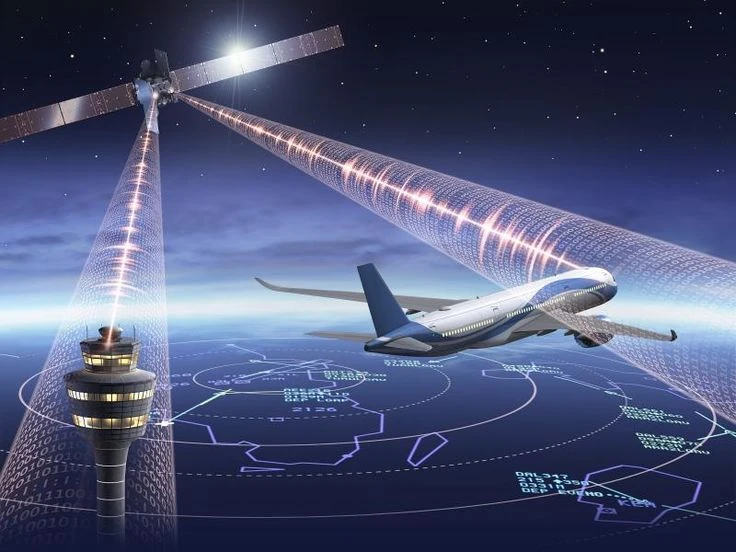
- Communication Lag: Modern satellite links have reduced communication delays to less than one second.
- Braking Systems: Carbon-fiber brakes are designed to handle the extreme heat of a heavy-weight emergency landing.
The Future of AI-Enhanced Flight
We are moving toward a world where planes might be even more autonomous. However, the ethical implications of AI in the cockpit are still being debated by experts.
Trusting an algorithm with hundreds of lives is a significant step. We must ensure these systems are "explainable" so humans know why a decision was made.
Transparency in AI is the cornerstone of the niche at aicoremind.com. Without clear logic, technology cannot be fully integrated into life-critical systems like aviation.
Enhancing Passenger Confidence
Passengers feel safer when they know the technology behind their flight. Clear communication from airlines about safety protocols helps build this vital trust.
Innovations like real-time flight tracking apps allow families to stay informed. This level of transparency was unheard of just a few decades ago.
Conclusion: Balancing Tech and Human Skill
The evolution of flight is a testament to human ingenuity. By combining our instincts with powerful AI, we create a safer world for everyone.
Every diversion teaches us something new. As we move forward, the "Mastery" of these systems will define the next century of global travel and exploration.