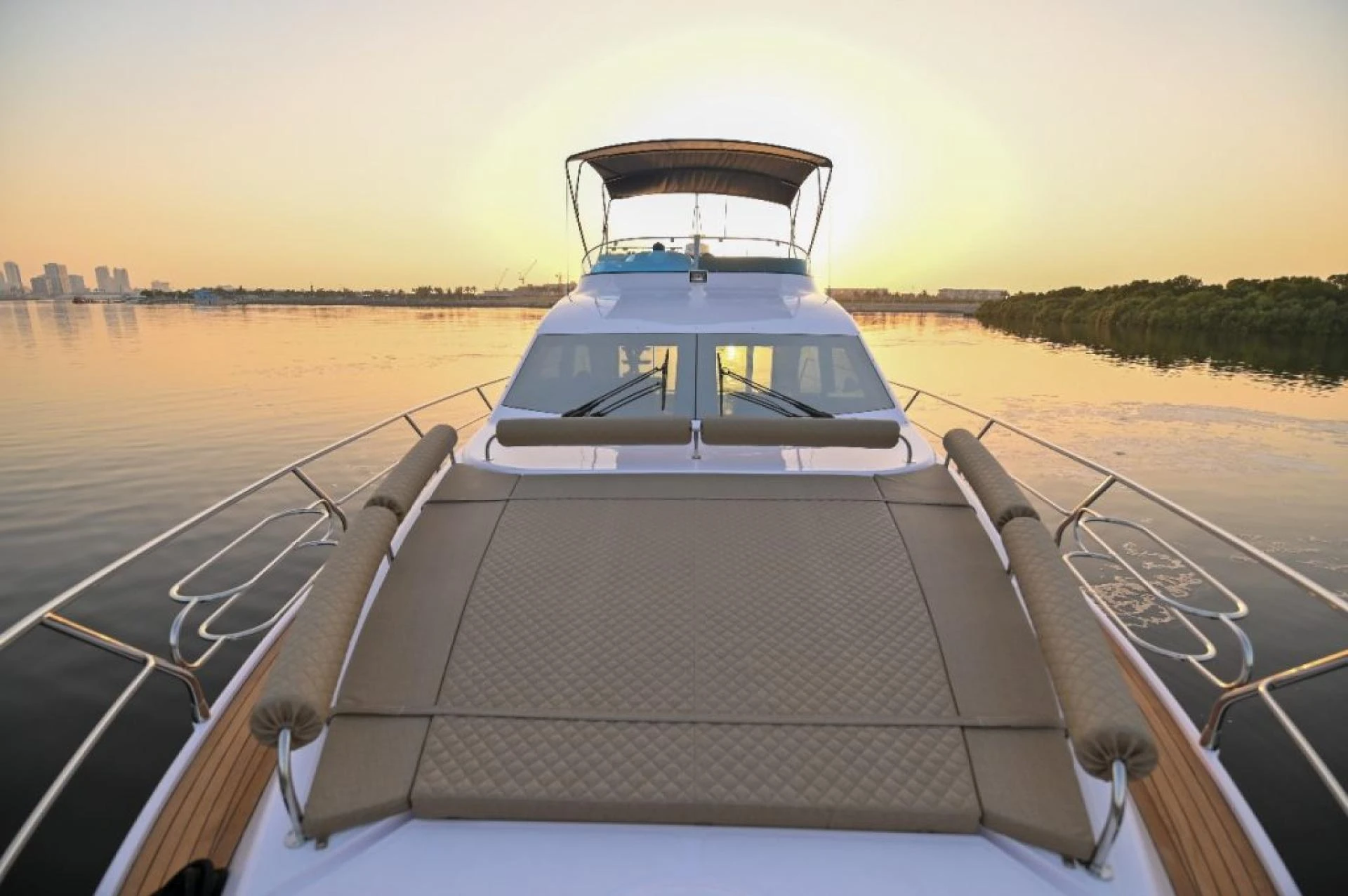
Purchasing a yacht requires you to commit to an experience that goes beyond a luxury item. You acquire an intricate asset that requires you to manage its engineering components, legal documents, international compliance needs, and specialised operational expenditures. Marine transactions require specialised due diligence procedures because they present unique risks which differ from those associated with real estate and automobile purchases.
The checklist provides a methodical approach to safeguard your investments, uncover hidden risks, and build lasting value.
Ownership & Title Verification
The first step is to determine who legally owns the yacht. A clear and transferable title is fundamental. Registration documents require you to check these items:
- The registered owner matches the seller
- There are no outstanding liens or mortgages
- The vessel’s registration is valid and up to date
If the yacht is flagged in another jurisdiction, additional checks may be required to ensure there are no encumbrances recorded internationally. The maritime attorney will help you avoid expensive problems which might arise during this stage of the process.
Classification & Regulatory Compliance
For larger vessels, classification society records are critical. Organisations such as Lloyd's Register and Bureau Veritas maintain technical standards and inspection histories. Review:
- Class status and any outstanding recommendations
- Compliance with SOLAS (for commercial or large yachts) and MARPOL regulations, where applicable
- Flag state requirements
Noncompliance may lead to fines, detention, or restrictions in certain jurisdictions. The organisation maintains certification by ensuring all credentials remain active.
Professional Marine Survey
A comprehensive marine survey is non-negotiable when you buy a yacht. The independent surveyor will perform the following assessments:
- Hull inspection (including moisture testing)
- Structural integrity assessment
- Engine and mechanical evaluation
- Electrical and navigation system checks
The evaluation requires sea trials to determine how the equipment performs under actual operating conditions. The survey report provides comprehensive information on current conditions, which serves as leverage during price negotiations.
Maintenance & Service History
Well-documented maintenance is a standard indicator of responsible ownership. Request complete service records, stabiliser records, and class records (if applicable) for all maintenance activities on engines, generators, stabilisers, and all onboard equipment.
The servicing intervals should be consistent, and all work must be verified as completed by authorised technicians who performed the required procedures. The missing documents may indicate that maintenance has been delayed, leading to higher future expenses.
Financial & Operational Costs.
Annual ownership costs typically range between 5% and 15% of the yacht’s value, depending on size, usage, and crew requirements. You need to include these expenses:
- Crew salaries
- Dockage and marina fees
- Insurance premiums
- Fuel consumption
- Scheduled refits
The investment needs to align with your financial schedule, which will become clear once you understand the ongoing expenses, which depend on the vessel's size and its specific usage pattern.
Builder Reputation & Market Value
The yard from which the yacht was built greatly influences its second-hand value and reliability. Used boats from prestigious European manufacturers such as Benetti or Feadship will always attract serious buyers due to established manufacturing techniques and engineering quality.
Study prices of comparable boats available on the market and evaluate that an unrealistic price, even for a perfect yacht, would jeopardise your liquidity in the future when selling it on.
Final Thoughts
Buying a yacht conscientiously means treating its purchase as an investment, not an impulsive act. It is due diligence in marine terms that protects you financially, operationally, and in terms of value.
Legal, technical, financial, and market-wise checks together make your purchase transaction a reliable and well-structured investment in the marine sector, where values can be very high; this approach ensures you do not risk your investment and gain full confidence to sail.