Masticated rubber is very important in the industrial industry, especially for the production of high-end rubber products. Rubber can be put to a lot of uses; its uses start with a manufacturing process that turns raw rubber into a form that is more easily dealt with and processed, and then reprocessed. Eventually, an understanding of this masticated rubber manufacturing process and its uses allows our valuation of it from a perspective of sustainability and recycling initiatives.
What is Masticated Rubber?
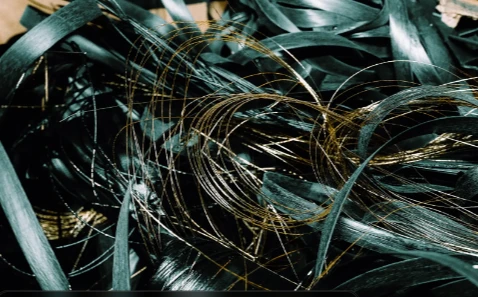
Masticated rubber is defined as rubber that has been softened and reduced to small pieces or to a more uniform mass. This process is carried out using mechanical as well as, in some cases, chemical treatment on physical grounds to improve the physical properties of a piece of rubber and make it viable for re-use or further processing. Masticated rubber is used as a constituent material to make different varieties of rubber goods, including mats, seals, and footwear.
The Manufacturing Process of Masticated Rubber
The production of masticated rubber begins with the collection of scrap rubber, often from tire manufacturing or other rubber waste sources. This raw material undergoes several steps:
Collection and Sorting: The process starts with collecting scrap rubber from used tires or off-cuts from factories. Tire manufacturer recyclers, in this case, are essential in guaranteeing the appropriate collection and sorting of rubber waste for environmentally friendly reuse.
Shredding: The sorted rubber is further shredded into much smaller pieces so that the surface area is increased, making it easier to be processed. The shredder machines work by reducing the rubber chunks into pieces that are a manageable size.
Masticating or Mechanical Churning: Shredded rubber is fed into a masticating machine, often termed a rubber grinder or open mill, that applies shear force and mechanical energy to soften and further break down the rubber. The procedure being followed consists of continuous kneading, which is a slight heating of the rubber through which the softening is made possible without hampering the properties inherent in the material.
Addition of Additives: During mastication, various chemicals, such as antioxidants, curing agents, or plasticizers, are added to the rubber to modify its properties, depending on the intended end-use. These additives improve flexibility, durability, or processing characteristics.
Cooling and Packaging: After achieving the desired consistency, the chewed rubber is cooled to be formed into blocks, pellets, or sheets for easy transport and storage. These forms are now subjected to further processing or directly used in manufacturing.
Industry Uses of Masticated Rubber
Masticated rubber finds extensive application across multiple industries due to its adaptable properties:
Recycling and Reuse: Masticated rubber is a key material in recycling services for tire manufacturers. It allows for the reuse of old tires by transforming waste rubber into a usable raw material, reducing environmental impact, and promoting sustainability.
Manufacturing of Rubber Products: It is used in the production of mats, flooring, and shock absorbers because of its resilience and flexibility.
Automotive Industry: Masticated rubber serves as a raw material in manufacturing automotive parts like seals, gaskets, and vibration dampers.
Civil and Civil Engineering: In view of its durability, it finds application in sound insulation and waterproofing purposes.
Sports Goods: The production of rubber soles, athletic tracks, sports surfaces, etc., is possible through masticated rubber.
Environmental Benefits and Recycling Initiatives
Using masticated rubber is beneficial with the global movements promoting recycling and minimizing waste. In view of that, recycling services for the tire manufacturers are one of the meaningful bricks in the wall to convert old tires into valuable raw materials. Thus, masticated rubber can be used to reduce the amount of rubber that ends up in landfills, decrease raw material costs, and boost sustainable manufacturing platforms.
As industries continue to prioritize sustainability, the role of recycling services for tire manufacturers in providing raw materials like masticated rubber will only grow, building a more circular and environmentally friendly economy.