When choosing an air conditioning system, many homeowners focus on the initial purchase and installation price. However, the long-term return on investment of a multi-head split system can be more important than the upfront cost.
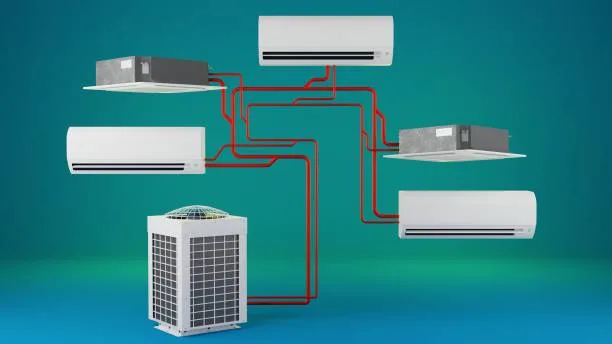
Multi-head split systems allow several indoor air conditioning units to connect to a single outdoor unit. This makes them a practical option for homes and small commercial properties that need heating and cooling across multiple rooms without installing a full ducted system.
By combining independent room control, energy-efficient operation and flexible installation, a well-designed multi-head system can deliver significant value over its operating life.
What Is a Multi-Head Split System?
A multi-head split system is an air conditioning configuration where multiple indoor units are connected to one outdoor condenser.
Unlike a traditional single split system, which generally serves one indoor area, a multi-head system can provide heating or cooling to several rooms.
For example, a homeowner could have separate indoor units in:
- The master bedroom
- Children's bedrooms
- Living room
- Home office
- Dining area
Each indoor unit can typically be controlled independently, allowing occupants to adjust temperatures according to how each room is being used.
This flexibility is one of the main reasons homeowners consider multi-head split systems as an alternative to installing several individual split systems.
Why Consider the Long-Term ROI?
Return on investment (ROI) isn't simply about how quickly an air conditioner pays for itself. For residential air conditioning, ROI can include several forms of value:
- Lower energy consumption
- Reduced installation requirements
- Lower ongoing maintenance complexity
- Better room-by-room temperature control
- Improved comfort
- Longer equipment lifespan
- Reduced need for multiple outdoor units
- Potential improvement in property appeal
The actual financial return will depend on the system selected, installation quality, electricity prices, usage patterns and maintenance.
Energy Efficiency Can Improve Long-Term Savings
One of the biggest potential benefits of a modern multi-head split system is efficient operation.
Rather than heating or cooling the entire house at once, occupants can condition individual rooms according to their needs.
For example, if three bedrooms are empty during the day, there may be little reason to continuously condition all three spaces. A multi-head system allows heating or cooling to be focused on occupied areas.
Many modern systems also use inverter technology. Inverter compressors can adjust their output according to the required heating or cooling load rather than repeatedly switching between full power and completely off.
This can help improve efficiency and maintain a more consistent indoor temperature.
One Outdoor Unit Can Save Space
A conventional approach to air conditioning multiple rooms could involve installing several separate split systems, each with its own outdoor unit.
While this can work, multiple outdoor units can take up considerable space around a property.
A multi-head configuration connects several indoor units to one outdoor unit, which can create a cleaner external appearance and make better use of available outdoor space.
This can be particularly valuable for properties with limited balcony, courtyard or side-access space.
Lower Installation Complexity Than Full Ducted Systems
For homeowners who want multiple rooms conditioned but don't want ductwork installed throughout the property, a multi-head split system can offer a middle ground.
A ducted system can require:
- Ductwork
- Ceiling vents
- Central indoor equipment
- Zone controls
- More extensive installation work
A multi-head split system does not require a network of air ducts throughout the home.
This can make it suitable for existing properties where installing ductwork would be difficult or disruptive.
However, installation complexity still varies depending on the number and location of indoor units, pipe runs, access and electrical requirements.
Independent Room Control Adds Value
One of the strongest advantages of a multi-head system is independent temperature control.
Different members of a household may prefer different temperatures. A bedroom may need heating at night, while the living room might not require conditioning at the same time.
With separate indoor units, users can control individual spaces rather than treating the entire home as one zone.
This can improve comfort while potentially reducing unnecessary energy use.
For households with different schedules, the flexibility can be especially useful.
Multi-Head Systems Can Be Cost-Effective for Renovations
Installing air conditioning during a renovation can be an opportunity to improve the home's long-term comfort and efficiency.
A multi-head system may be attractive where several rooms need air conditioning but installing ductwork isn't practical.
Instead of installing individual outdoor units for each room, homeowners can potentially consolidate the installation around a single outdoor condenser.
The overall project cost will still depend on the number of indoor units, system capacity, pipework, electrical work and property access.
Therefore, homeowners should compare the total installed cost rather than simply comparing the price of the outdoor unit.
Maintenance and Longevity Matter to ROI
The return on investment of an air conditioning system also depends on how well it is maintained.
Regular maintenance can help identify issues such as:
- Dirty filters
- Restricted airflow
- Blocked outdoor coils
- Refrigerant-related problems
- Electrical faults
- Unusual operating noises
Keeping filters and indoor units clean can help maintain airflow and system performance.
Professional servicing can also identify problems before they develop into more expensive repairs.
A properly maintained system is more likely to deliver reliable performance over its expected service life.
What Can Reduce the ROI?
Not every multi-head installation will automatically provide a strong financial return.
Poor system design can undermine efficiency. If the system is incorrectly sized, poorly positioned or unsuitable for the property's requirements, it may consume more energy than expected or struggle to maintain comfortable temperatures.
Other factors that can reduce ROI include:
- Poor insulation
- Excessive heat gain through windows
- Incorrect capacity selection
- Poor installation practices
- Neglected maintenance
- Excessively high usage
- Choosing equipment based only on the cheapest purchase price
This is why professional system sizing and installation are important.
How to Maximise the ROI of a Multi-Head Split System
Homeowners can improve the long-term value of their investment by considering the complete lifecycle cost.
1. Choose the Right Capacity
The system should be correctly sized for the rooms being conditioned. Bigger isn't always better.
2. Prioritise Energy Efficiency
Compare the efficiency ratings and operating characteristics of suitable models rather than focusing only on the purchase price.
3. Consider Room Usage
Think about when each room is actually occupied. Independent control is most valuable when it can be used to avoid unnecessary heating or cooling.
4. Invest in Professional Installation
Correct installation can influence system performance, reliability and efficiency.
5. Maintain the System
Clean filters regularly and arrange professional servicing when required.
6. Consider the Whole Property
Insulation, window coverings and sealing gaps can reduce the heating and cooling load placed on the system.
Is a Multi-Head Split System a Good Investment?
For many homes, a multi-head split system can provide an attractive long-term return on investment by combining flexible temperature control, efficient operation and relatively straightforward installation.
It can be particularly suitable for homeowners who need air conditioning in several rooms but don't want the cost or disruption associated with installing a ducted system.
However, the best system depends on the property. A professional assessment should consider room sizes, insulation, orientation, occupancy, electrical requirements and the intended use of each space.
Final Thoughts
The long-term ROI of a multi-head split system goes beyond the initial purchase price. Its ability to condition multiple rooms independently, reduce unnecessary heating and cooling, minimise outdoor equipment and provide flexible installation can create value over many years.
For homeowners comparing multi-head split systems vs ducted air conditioning, the right decision should consider both upfront and ongoing costs.
Ultimately, choosing an appropriately sized, energy-efficient system and having it professionally installed and maintained can help maximise comfort, efficiency and long-term value.