Clinical waste is a critical byproduct of healthcare, dental, veterinary, and laboratory environments. If not managed correctly, it can pose significant health and environmental risks. Understanding the journey of clinical waste—from its generation to its final disposal—ensures compliance with Australian regulations and promotes public safety.
Step 1: Generation of Clinical Waste
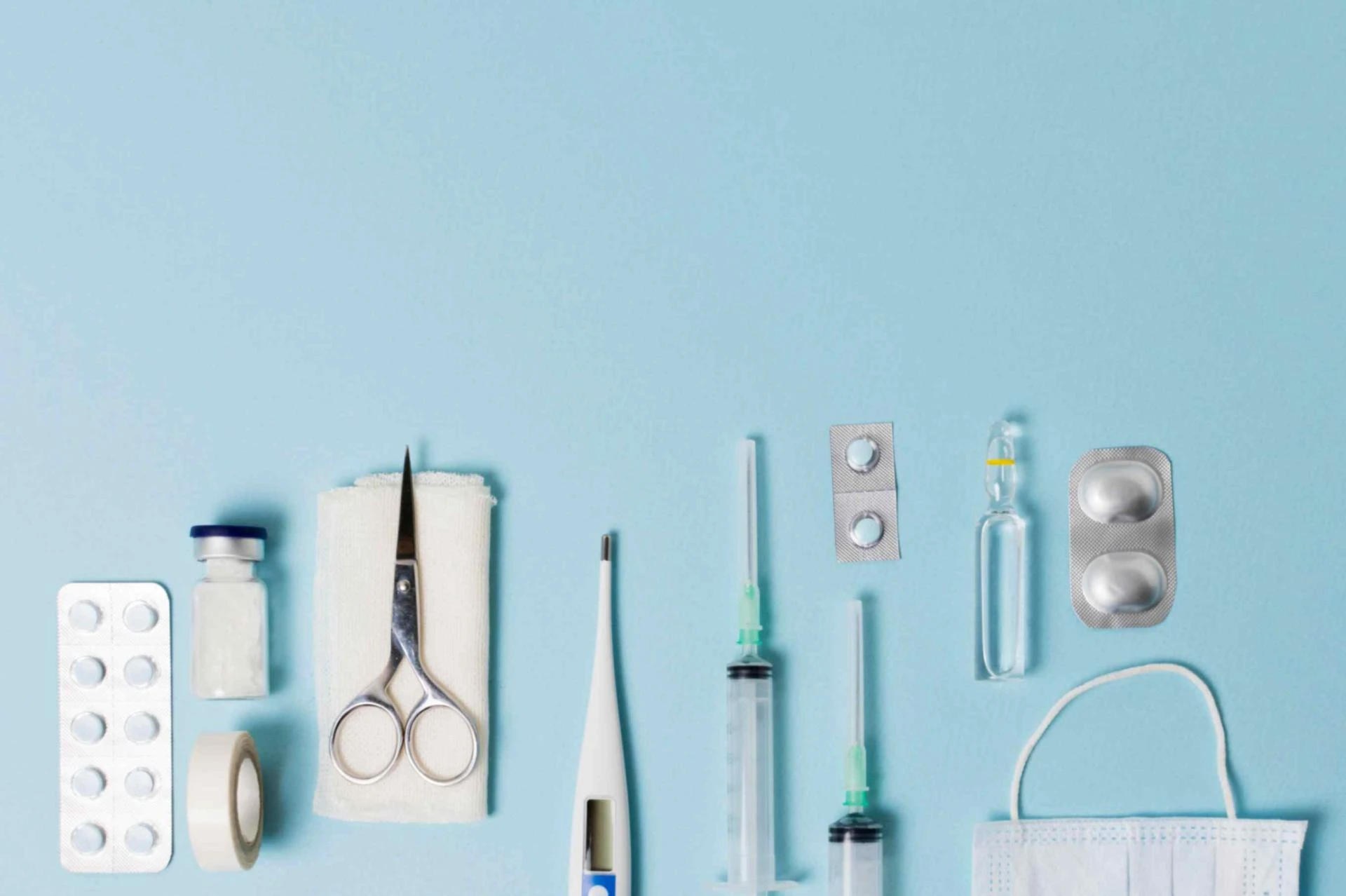
Clinical waste originates in medical and healthcare settings, where materials become contaminated with bodily fluids, chemicals, or infectious agents. This includes used syringes, bandages, swabs, surgical gloves, and pathological waste. Industries such as hospitals, GP clinics, dental surgeries, aged care homes, and even tattoo parlours generate clinical waste daily.
To maintain hygiene and safety, healthcare facilities must segregate waste at the point of origin. This means placing different waste types into appropriately designated waste bins, reducing cross-contamination and simplifying disposal.
Step 2: Segregation and Storage
Once generated, clinical waste must be separated into specific categories. In Australia, colour-coded bins and bags help streamline this process:
- Yellow bins and bags – Used for infectious waste, such as blood-contaminated items and dressings.
- Sharps containers – Specifically designed for needles, scalpels, and other sharp instruments to prevent injuries.
- Cytotoxic bins – Used for chemotherapy-related waste.
- Pharmaceutical waste bins – For expired or unused medications.
Proper segregation ensures that hazardous materials are handled safely and disposed of correctly. Healthcare facilities must also store clinical waste in secure, well-ventilated areas away from public access until collection.
Step 3: Collection and Transportation
Licensed waste management providers collect clinical waste from hospitals, clinics, and other healthcare settings following strict handling procedures. Transportation must comply with Australian standards, such as the National Transport Commission’s Waste Transport Guidelines, which regulate how hazardous materials are moved.
To prevent contamination or leaks, collection vehicles are equipped with sealed, leak-proof containers. Staff handling clinical waste must wear personal protective equipment (PPE) and follow safety protocols to minimise exposure.
Step 4: Treatment and Processing
Once transported to a waste treatment facility, clinical waste undergoes various processes to neutralise its hazardous components. The most common methods include:
- Incineration – High-temperature burning destroys infectious waste, reducing it to ash. This method is widely used for pathological waste.
- Autoclaving (Steam Sterilisation) – Waste is exposed to high-pressure steam, effectively killing bacteria and pathogens before disposal.
- Chemical Disinfection – Certain liquid clinical wastes, such as laboratory chemicals, are treated with disinfectants to neutralise contaminants.
The choice of treatment method depends on the waste type, environmental impact, and regulatory requirements.
Step 5: Final Disposal
After treatment, clinical waste is disposed of safely. Incineration byproducts, such as ash, are sent to designated landfill sites that meet strict environmental guidelines. Autoclaved waste, now non-hazardous, can be disposed of as general waste.
Some waste types, such as specific pharmaceuticals and cytotoxic waste, require specialised disposal methods to prevent environmental contamination. In Australia, regulatory bodies like the Environmental Protection Authority (EPA) oversee clinical waste disposal to ensure compliance with environmental and safety standards.
Why Proper Clinical Waste Disposal Matters
Failing to manage clinical waste correctly can lead to serious consequences, including:
- The spread of infectious diseases.
- Environmental contamination through improper disposal.
- Legal penalties for non-compliance with Australian waste management laws.
- Public health risks due to exposure to hazardous substances.
By following proper waste management protocols, healthcare providers ensure a safer environment for staff, patients, and the broader community.
Final Thoughts
The lifecycle of clinical waste involves several crucial steps, from responsible generation and segregation to safe disposal. Each phase requires strict adherence to regulations and best practices to minimise risks. By using appropriate waste bins and engaging professional waste disposal services, healthcare facilities can efficiently manage clinical waste while safeguarding public health and the environment.