Smart contracts have emerged as a ground breaking technology that can change many industries and aspects of our everyday lives. Although the idea may seem complicated, at its core, a smart contract is a self-executing agreement with the terms written directly into lines of code. This code resides on a decentralized, distributed blockchain network, which ensures that it is secure, transparent, and cannot be changed.
The real question isn't "why choose smart contracts?" but "why not choose smart contracts?" given their many advantages over traditional agreements. Here are some key reasons for their increasing use.
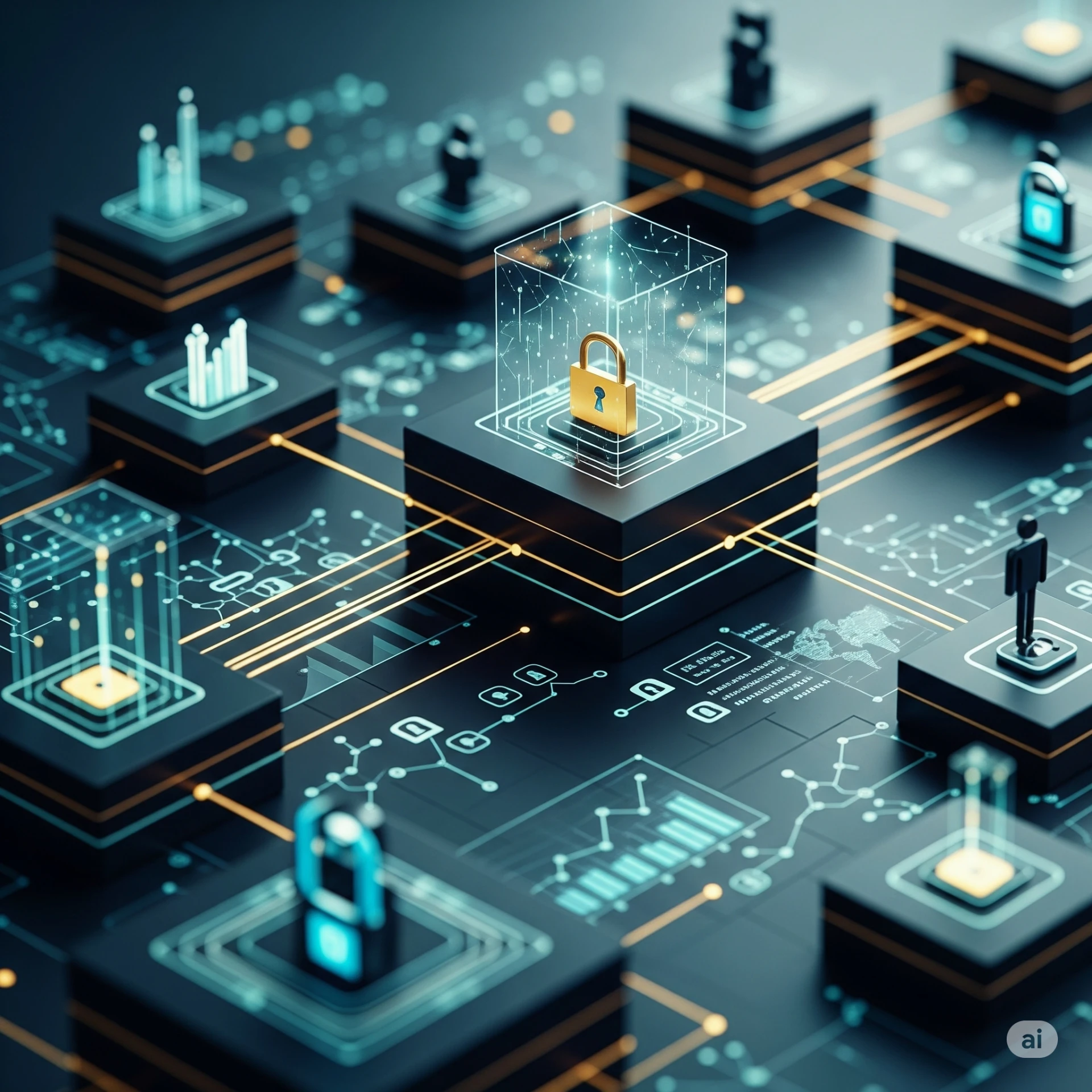
Eliminating Intermediaries and Reducing Costs:
One of the biggest benefits of smart contracts is that they eliminate the need for intermediaries. In traditional agreements, lawyers, banks, notaries, and other third parties are often needed to facilitate, verify, and enforce contracts. Each of these intermediaries adds extra costs, time, and raises the risk of human error or bias.
Smart contracts naturally remove these friction points. Once the conditions are fulfilled, the contract executes automatically, whether that involves releasing funds, transferring ownership, or starting another action. This direct peer-to-peer interaction greatly lowers transaction costs, speeds up processes, and improves workflows, providing significant benefits to both businesses and individuals.
Enhanced Security and Immutability:
The blockchain technology behind smart contracts offers a unique level of security. Each transaction and contractual term is encrypted and stored on a distributed ledger, making it nearly impossible to alter or tamper with. After a smart contract is deployed on the blockchain, its code and execution history cannot be changed or deleted.
This immutability fosters a high level of trust, assuring that the agreement will be executed precisely as programmed, without risks of manipulation or fraud. Unlike paper contracts that can be lost, damaged, or forged, smart contracts create a permanent, verifiable record accessible to all authorized users.
Transparency and Auditability:
The decentralized and distributed nature of blockchain means that smart contracts are inherently transparent. All network participants can view the code and execution history of a smart contract. This openness builds trust among parties since everyone has access to the same information, reducing disputes that could arise from unclear or hidden terms.
Additionally, the public ledger provides a complete audit trail. Every action and event tied to the smart contract is recorded and time-stamped, making it easy to track and confirm the execution of the agreement. This strong audit capability is critical for compliance, resolving disputes, and regulatory oversight.
Efficiency and Automation:
Smart contracts bring a new level of efficiency and automation to agreements. Because the terms are encoded and self-executing, the need for manual input is minimal. Tasks that used to take days or weeks can now be completed in minutes or even seconds.
For example, in supply chain management, a smart contract could automatically release payment to a supplier once a shipment is confirmed at its destination, removing the need for manual invoicing and payment processing. In real estate, a smart contract could automatically transfer property ownership once all payment conditions are met. This automation saves time and lowers the chance of human errors, leading to smoother and more reliable operations.
Reduced Risk of Disputes and Enhanced Enforceability:
By clearly defining terms and conditions in code, smart contracts greatly reduce ambiguity and the risk of disputes. The precise nature of code leaves little room for misinterpretation. If the conditions are fulfilled, the contract executes; if not, it does not.
Moreover, smart contracts are self-enforcing. Unlike traditional contracts that rely on legal systems to ensure compliance, smart contracts automatically carry out their terms when the conditions are met, guaranteeing that promises are upheld without needing outside intervention. This built-in enforcement strengthens the reliability and trustworthiness of agreements.
Versatility and Wide-Ranging Applications:
Smart contracts have diverse applications and continue to grow. They are already being used in various sectors, including:
Finance: For automated escrow services, lending, insurance, and decentralized finance (DeFi) protocols.
Supply Chain: For tracking goods, automating payments, and ensuring provenance.
Real Estate: For streamlining property transfers and managing rental agreements.
Healthcare: For secure management of patient records and automated insurance claims.
Intellectual Property: For managing royalties and protecting creative works.
Voting Systems: For creating transparent and secure election processes.
Gaming: For creating verifiable in-game assets and fair play mechanisms.
As the technology develops, we can expect to see smart contracts spread into even more industries, providing innovative solutions to long-standing problems.
In conclusion, smart contracts represent a significant change in how agreements are made, executed, and enforced. Their ability to cut out intermediaries, improve security, offer transparency, increase efficiency, and reduce disputes makes them an essential tool in the modern digital landscape. While the technology is still relatively new, its clear advantages over traditional methods are obvious. As we move towards a more interconnected and automated future, understanding and using smart contracts will become necessary for individuals and organizations aiming to operate with greater efficiency, trust, and security.