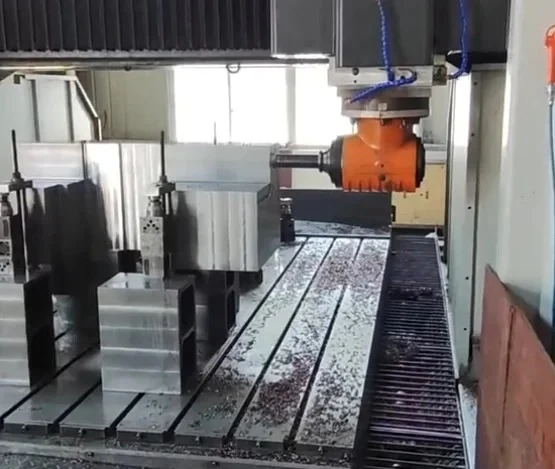
In modern manufacturing, producing high-quality, durable, and visually appealing components is essential. One of the most critical processes that ensures this is surface finishing. From improving durability to enhancing appearance, surface finishing plays a key role in delivering superior machined parts across industries like automotive, aerospace, and medical manufacturing.
What is Surface Finishing?
Surface finishing refers to a range of processes used to modify the surface of a manufactured part to achieve desired properties such as smoothness, durability, and corrosion resistance. Common techniques include polishing, grinding, coating, painting, and chemical treatments.
Each method serves a specific purpose—whether it's improving aesthetics, increasing wear resistance, or protecting against environmental damage.
Key Benefits of Surface Finishing
1. Enhanced Durability
One of the biggest advantages of surface finishing is increased durability. Protective coatings and treatments create a barrier that shields components from wear, moisture, and harsh environmental conditions.
This is especially important for parts used in high-performance industries where longevity is critical.
2. Improved Aesthetic Appeal
Surface finishing significantly improves the visual quality of machined parts. Processes like polishing and painting provide a smooth, clean, and professional look, which is essential for consumer-facing products.
A high-quality finish not only enhances appearance but also increases product value.
3. Increased Wear Resistance
Wear and friction can reduce the lifespan of mechanical components. Surface finishing techniques such as grinding and coating help create harder surfaces that resist abrasion and mechanical stress.
This ensures consistent performance even under demanding conditions.
4. Corrosion Protection
Exposure to moisture, chemicals, and extreme environments can lead to corrosion. Surface finishing methods like anodizing, plating, and chemical coatings protect parts by preventing direct contact with corrosive elements.
This is crucial for industries like marine, construction, and chemical processing.
5. Better Assembly and Fit
Surface finishing ensures precise dimensions and smooth surfaces, making components easier to assemble. Proper finishing reduces friction between parts and improves compatibility, resulting in fewer assembly errors and increased production efficiency.
Choosing the Right Surface Finishing Method
Selecting the right finishing technique depends on several factors:
- Material Type – Metals, plastics, and composites require different finishing methods
- Application – Consider where and how the part will be used
- Environmental Conditions – Exposure to heat, chemicals, or moisture
- Desired Properties – Durability, appearance, or corrosion resistance
Choosing the correct method ensures optimal performance and cost-efficiency.
Latest Trends in Surface Finishing
Eco-Friendly Finishing Processes
Sustainable manufacturing is becoming a priority. New eco-friendly finishing techniques reduce waste, emissions, and energy consumption.
Advanced Coating Technologies
Innovations like nano-coatings and ceramic coatings offer superior protection, durability, and performance compared to traditional methods.
Automation and Precision
Automated surface finishing systems improve consistency, reduce human error, and increase production speed.
Conclusion
Surface finishing is not just a final step in manufacturing—it’s a critical process that directly impacts product quality, durability, and performance. By enhancing wear resistance, preventing corrosion, and improving aesthetics, surface finishing ensures that machined parts meet the highest industry standards.
For manufacturers looking to stay competitive, investing in advanced surface finishing techniques is a smart move that delivers long-term value, reliability, and customer satisfaction.