
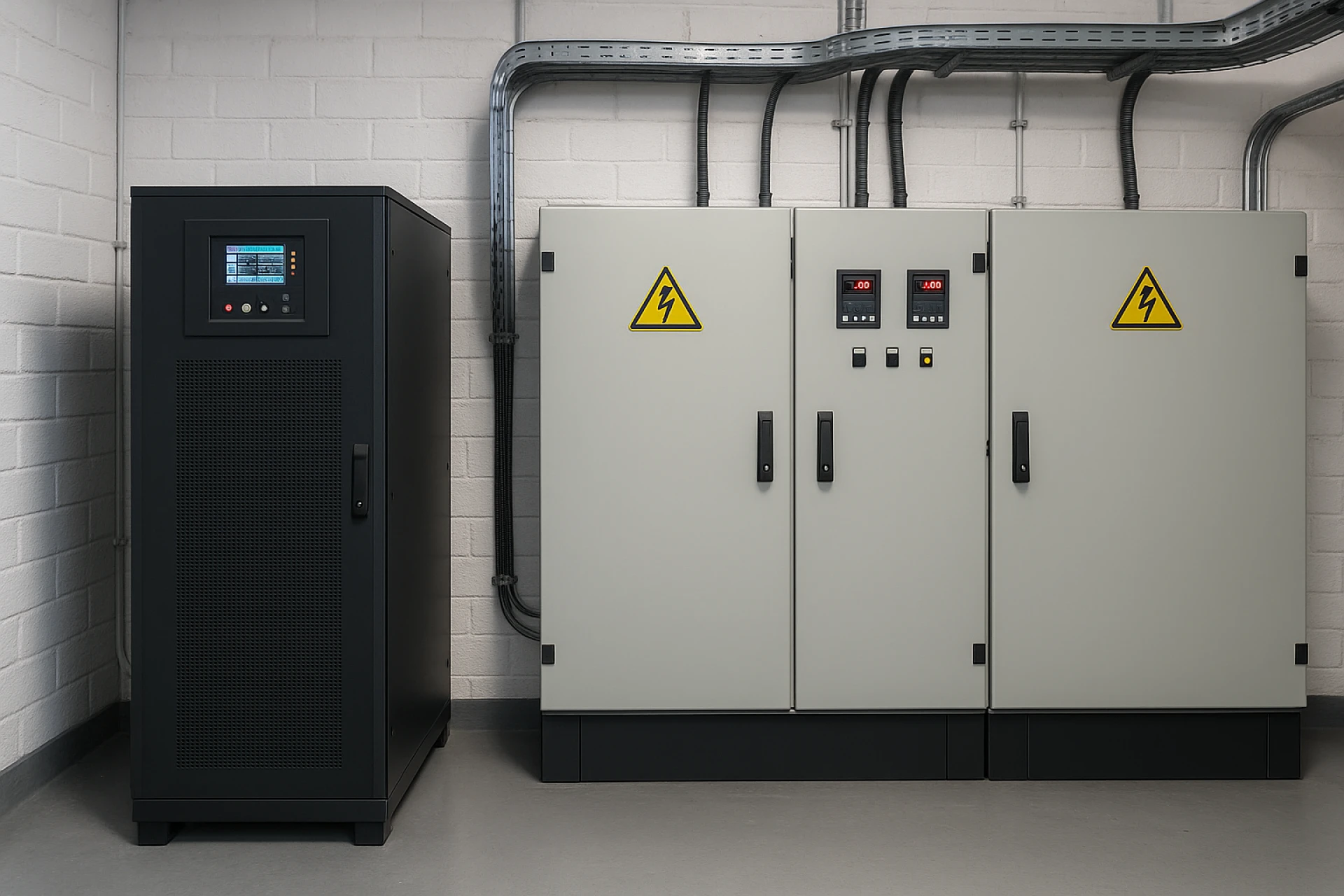
Introduction: Why Power Reliability Matters
In today’s fast-paced industrial landscape, reliable electricity is not just a convenience—it is a necessity. From manufacturing plants and chemical processing units to data centers and healthcare facilities, uninterrupted power is critical for safety, productivity, and efficiency. This is where industrial power solutions and advanced industrial UPS systems come into play. These technologies ensure that operations continue smoothly, even when the grid fails.
Understanding Industrial Power Solutions
What Are Industrial Power Solutions?
Industrial power solutions refer to a broad range of systems, equipment, and strategies designed to provide continuous, stable, and efficient power to industrial operations. Unlike standard residential or commercial setups, industries require much higher energy capacity and redundancy to protect both equipment and personnel.
Core Components of Industrial Power Solutions
- Industrial UPS Systems – These act as the first line of defense against power interruptions.
- Backup Generators – Provide longer-term energy during extended outages.
- Voltage Regulation Systems – Maintain safe levels of voltage to protect sensitive equipment.
- Energy Storage Solutions – Batteries and hybrid systems ensure seamless transfer between power sources.
- Monitoring & Control Software – Allows operators to track power usage, efficiency, and potential faults.
Together, these components form a comprehensive framework for safeguarding industrial processes.
Why Industrial UPS Systems Are Critical
Protection Against Downtime
A sudden power failure in a factory or data center can lead to production halts, equipment damage, and significant financial losses. Industrial UPS systems provide instant backup power, ensuring that sensitive machines, servers, and automated systems remain operational until generators or alternative sources take over.
Safeguarding Sensitive Equipment
Many industries rely on precision machinery and computer-controlled systems. Even a minor fluctuation in power can cause malfunctions or errors. By delivering clean and stable electricity, industrial UPS systems protect critical assets from voltage spikes, surges, and unexpected interruptions.
Supporting Safety Protocols
In environments like chemical plants, hospitals, and mining operations, power stability is directly linked to safety. Ventilation systems, life-support machines, and fire-suppression equipment cannot afford a single second of downtime. This is why installing industrial UPS systems is considered a vital safety measure.
Benefits of Investing in Industrial Power Solutions
1. Enhanced Productivity
Unplanned downtime can be disastrous in industries where time equals money. Reliable industrial power solutions minimize interruptions, keeping operations on schedule and boosting productivity.
2. Cost Savings in the Long Run
While the initial investment may seem high, the prevention of losses from downtime, equipment repair, or data corruption makes industrial UPS systems and backup solutions a cost-effective choice.
3. Compliance with Industry Regulations
Many industries are governed by strict regulations regarding safety and operational continuity. Deploying robust industrial power solutions ensures compliance with these standards.
4. Environmental and Energy Efficiency
Modern industrial UPS systems and smart grid solutions are designed with sustainability in mind. By optimizing energy use and integrating renewable energy sources, industries can reduce their carbon footprint while maintaining efficiency.
Applications of Industrial UPS Systems Across Industries
Manufacturing
From automotive assembly lines to food processing plants, machinery must run without interruptions. Industrial UPS systems prevent breakdowns that could ruin entire production batches.
Healthcare
Hospitals depend on life-saving equipment that cannot fail, even for a fraction of a second. Industrial-grade UPS ensures continuity for surgical devices, diagnostic tools, and IT systems.
Data Centers
In the digital era, downtime in data centers is unacceptable. Industrial UPS systems keep servers running, protect against data loss, and ensure that customers experience uninterrupted services.
Oil, Gas, and Mining
Remote industrial sites often face unstable grids or harsh conditions. Reliable industrial power solutions keep drilling equipment, ventilation systems, and safety mechanisms fully functional.
Transportation and Logistics
Airports, railways, and shipping ports require uninterrupted power to manage operations, communication systems, and safety controls. Industrial UPS systems are critical for keeping these hubs operational.
Choosing the Right Industrial Power Solutions
Assessment of Power Needs
Every industry has unique requirements. A manufacturing unit may prioritize machinery uptime, while a data center may demand seamless IT support. A thorough assessment of energy consumption, load capacity, and critical functions is the first step.
Scalability
Industries grow and expand, and so do their energy needs. Selecting industrial power solutions that are scalable ensures future-proofing investments.
Integration with Renewable Energy
Many companies are now adopting solar or wind energy. Hybrid industrial UPS systems can integrate with renewable sources, creating a sustainable power ecosystem.
Maintenance and Monitoring
A reliable power solution is not just about installation—it requires continuous monitoring. Real-time analytics and preventive maintenance extend the lifespan of industrial UPS systems and other backup technologies.
Future Trends in Industrial Power Solutions
1. Smart Grid Integration
Smart grids allow industries to optimize electricity usage by dynamically adjusting loads and sourcing energy from the most efficient option. This reduces costs and increases reliability.
2. Advanced Battery Technologies
New developments in lithium-ion and solid-state batteries are making industrial UPS systems more efficient, compact, and long-lasting compared to traditional lead-acid batteries.
3. AI-Driven Energy Management
Artificial intelligence is now being used to predict energy demand, identify risks, and automatically adjust power distribution. This ensures maximum efficiency in industrial operations.
4. Green Energy Transition
With rising environmental concerns, industries are under pressure to reduce emissions. Integrating industrial power solutions with renewable energy sources is no longer optional—it is becoming a standard practice.
Conclusion
Power disruptions can cripple industrial operations, but with the right industrial power solutions in place, businesses can protect their assets, ensure worker safety, and maintain productivity. Industrial UPS systems stand at the core of these solutions, providing immediate backup, stabilizing voltage, and bridging the gap during outages.
For industries that value reliability, efficiency, and sustainability, investing in comprehensive power solutions is not just a choice—it is a necessity for long-term success.