Orthopedic surgery plays a crucial role in restoring mobility, reducing pain, and improving the overall quality of life for individuals suffering from joint, bone, or musculoskeletal conditions. However, the success of any orthopedic procedure does not end in the operating room—it continues through a carefully planned and well-executed rehabilitation process. Rehabilitation is often the determining factor in whether a patient regains full function or faces long-term limitations. Whether someone consults the best orthopedician surgeon in aligarh or undergoes treatment at a renowned center like renuka hospital aligarh, rehabilitation remains an essential component of healing. For patients choosing advanced orthopedic care providers like joint replacement india, rehab ensures that the benefits of surgery are fully realized.
Why Rehabilitation Matters After Orthopedic Surgery
Rehabilitation is designed to help patients regain strength, mobility, and function after surgery. During the initial post-operative phase, the body is healing from surgical trauma. Muscles may weaken, joints may stiffen, and the risk of complications such as clotting or swelling may increase. A structured rehabilitation program reduces these risks while ensuring that recovery progresses in a safe and effective manner.
Rehabilitation includes various elements such as physiotherapy, guided exercises, pain management techniques, and lifestyle modifications. All these components work together to restore normal movement patterns. Without rehabilitation, even a perfectly performed orthopedic surgery may result in limited mobility or prolonged recovery time.
Restoring Strength and Mobility
One of the primary goals of rehabilitation is to help patients regain muscle strength and joint mobility. After orthopedic surgery—whether it is a joint replacement, fracture repair, or ligament reconstruction—certain muscles may weaken from lack of use. Without proper strengthening exercises, these muscles may take much longer to recover or may never return to their previous function.
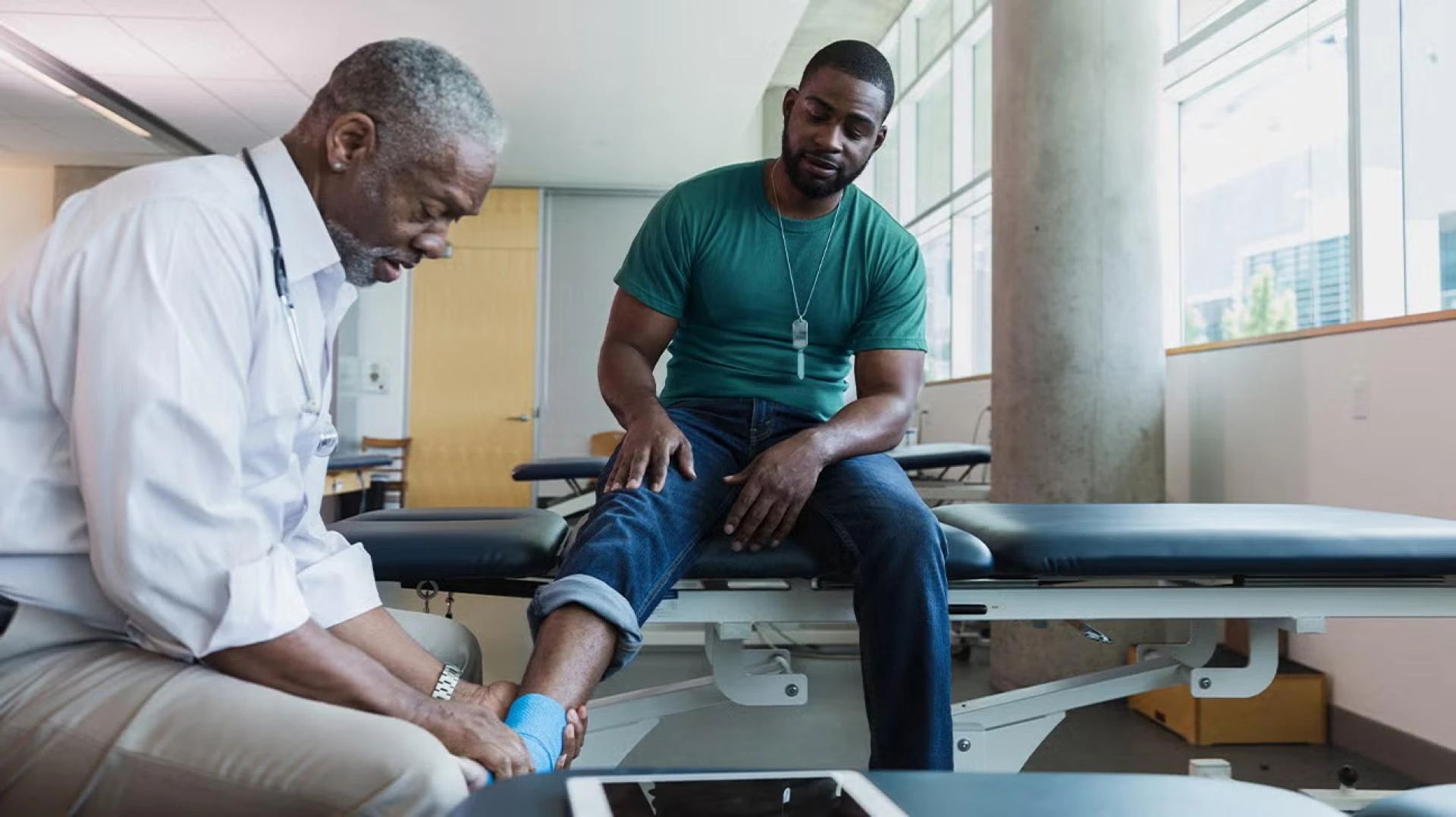
In rehabilitation, therapists develop personalized exercise plans targeting weakened muscles and stiff joints. Through gradual progression, patients learn how to move safely while preventing strain or injury. Regaining range of motion is equally important, as stiffness can hinder recovery and cause long-term discomfort. A dedicated approach to physical therapy ensures that patients achieve optimal mobility.
Preventing Post-Surgical Complications
Rehabilitation plays a vital role in reducing complications associated with orthopedic surgery. Common issues include stiffness, swelling, blood clots, muscle atrophy, and improper healing. Early mobilization—one of the core principles of rehab—helps enhance blood circulation, prevent clot formation, and reduce swelling.
Therapists also monitor wound healing and provide guidance on activities to avoid during recovery. This reduces the risk of re-injury or delayed healing. By following a structured rehab program, patients can confidently progress toward full recovery without unnecessary setbacks.
Enhancing Long-Term Surgical Outcomes
While surgery may correct structural problems, rehabilitation ensures that the body adapts functionally to the corrected joint or bone. For example, after joint replacement surgery, patients must relearn movement patterns that may have been altered due to years of pain or restricted motion. Rehabilitation helps rebuild these patterns, ensuring the new joint functions naturally.
Long-term benefits include improved balance, enhanced coordination, and increased confidence during daily activities. Rehabilitation also empowers patients with knowledge about proper body mechanics, helping them avoid future injury. The ultimate goal is not just recovery but long-lasting physical independence.
Customized Rehabilitation Plans
Every patient heals differently, which is why rehabilitation plans are personalized. Factors such as age, type of surgery, general health, lifestyle, and pre-existing conditions determine the design of a rehabilitation program. Skilled physiotherapists assess each patient and tailor the treatment accordingly.
Customized plans may include manual therapy, stretching, strengthening exercises, hydrotherapy, resistance training, and gait training. In some cases, advanced techniques such as electrotherapy or laser therapy may be used to reduce pain and accelerate healing. Individualized attention ensures faster recovery and better results.
The Role of Mental and Emotional Support
Rehabilitation is not only a physical process but also an emotional one. Many patients experience fear, anxiety, or frustration during recovery, especially when progress seems slow. Rehabilitation centers provide emotional support and motivation, helping patients stay committed to the process.
Therapists encourage patients to set realistic goals and celebrate small milestones. This fosters a positive mindset, which is essential for successful recovery. Mental well-being significantly influences physical healing, making emotional support an integral part of rehabilitation.
Building Healthy Habits for Life
Rehabilitation goes beyond the recovery period by teaching patients how to maintain long-term joint and bone health. Patients learn about proper posture, safe lifting techniques, and exercises to continue at home. These healthy habits prevent future injuries and promote overall musculoskeletal well-being.
For individuals who had surgery due to sports injuries or chronic conditions, rehabilitation also focuses on preventing re-injury. This may include balance training, sport-specific exercises, or strengthening weak muscle groups.
Conclusion
Rehabilitation after orthopedic surgery is a vital step toward achieving full recovery, optimal mobility, and long-term comfort. It bridges the gap between surgical treatment and complete functional restoration. Whether someone seeks advanced orthopedic care from the best specialists or chooses a trusted hospital, rehabilitation remains the cornerstone of successful healing. A dedicated and structured rehab program not only accelerates recovery but also ensures that patients enjoy a healthier and more active life long after surgery.