Modern air conditioning systems are designed not only to cool indoor spaces but also to maintain a healthy and comfortable environment. One of the most critical elements that supports the efficiency of these systems is proper ventilation. Without adequate ventilation, even the most advanced air conditioning systems may struggle to perform effectively. Proper airflow ensures fresh air circulation, improves indoor air quality, and supports the long-term performance of cooling equipment.
What Is Ventilation in Air Conditioning Systems?
Ventilation refers to the process of exchanging indoor air with fresh outdoor air. In modern HVAC systems, ventilation works alongside cooling mechanisms to regulate temperature, humidity, and air quality. This process removes stale air, pollutants, and excess moisture while introducing clean air into the space.
Proper ventilation plays an essential role in both residential and commercial buildings, particularly in environments where cooling systems are used frequently. It ensures that air conditioning units operate efficiently without overworking the system.
Why Proper Ventilation Matters
Ventilation significantly impacts the overall performance of an air conditioning system. When airflow is restricted, the system must work harder to maintain the desired temperature, leading to higher energy consumption and potential mechanical issues.
Some key benefits of proper ventilation include:
- Improved Indoor Air Quality: Fresh air circulation removes dust, allergens, and pollutants from indoor spaces.
- Better Energy Efficiency: Adequate airflow allows air conditioning systems to cool spaces more effectively, reducing energy use.
- Temperature Consistency: Proper ventilation helps distribute cool air evenly throughout the building.
- Moisture Control: Good ventilation reduces humidity levels and prevents mold growth.
- Longer Equipment Lifespan: Systems that operate under optimal airflow conditions experience less strain and fewer breakdowns.
Ventilation and Specialized Cooling Applications
In commercial and industrial environments, ventilation becomes even more important because cooling systems often support specialized applications. Industries that rely on process cooling require precise temperature management to maintain equipment efficiency and product quality.
For example, manufacturing facilities, food processing plants, and laboratories frequently use process cooling systems to regulate temperatures for machinery and production processes. Proper ventilation ensures that these systems operate reliably and maintain stable cooling conditions.
Similarly, food storage environments rely on controlled airflow to maintain freshness and safety. Refrigeration units such as a walk in cooler freezer depend on proper ventilation to regulate airflow and prevent temperature fluctuations. When airflow is balanced correctly, a walk in cooler freezer can maintain consistent storage conditions for perishable goods.
Signs of Poor Ventilation in Cooling Systems
When ventilation is inadequate, several warning signs may appear. Recognizing these early indicators can help prevent system damage and maintain comfort indoors.
Common signs include:
- Uneven cooling across rooms or areas
- Increased humidity levels indoors
- Unusual odors or stale air
- Higher energy bills despite normal usage
- Frequent cycling or overworking of the air conditioning unit
If these issues occur regularly, it may indicate blocked vents, poorly designed airflow pathways, or insufficient ventilation capacity.
How to Improve Ventilation Efficiency
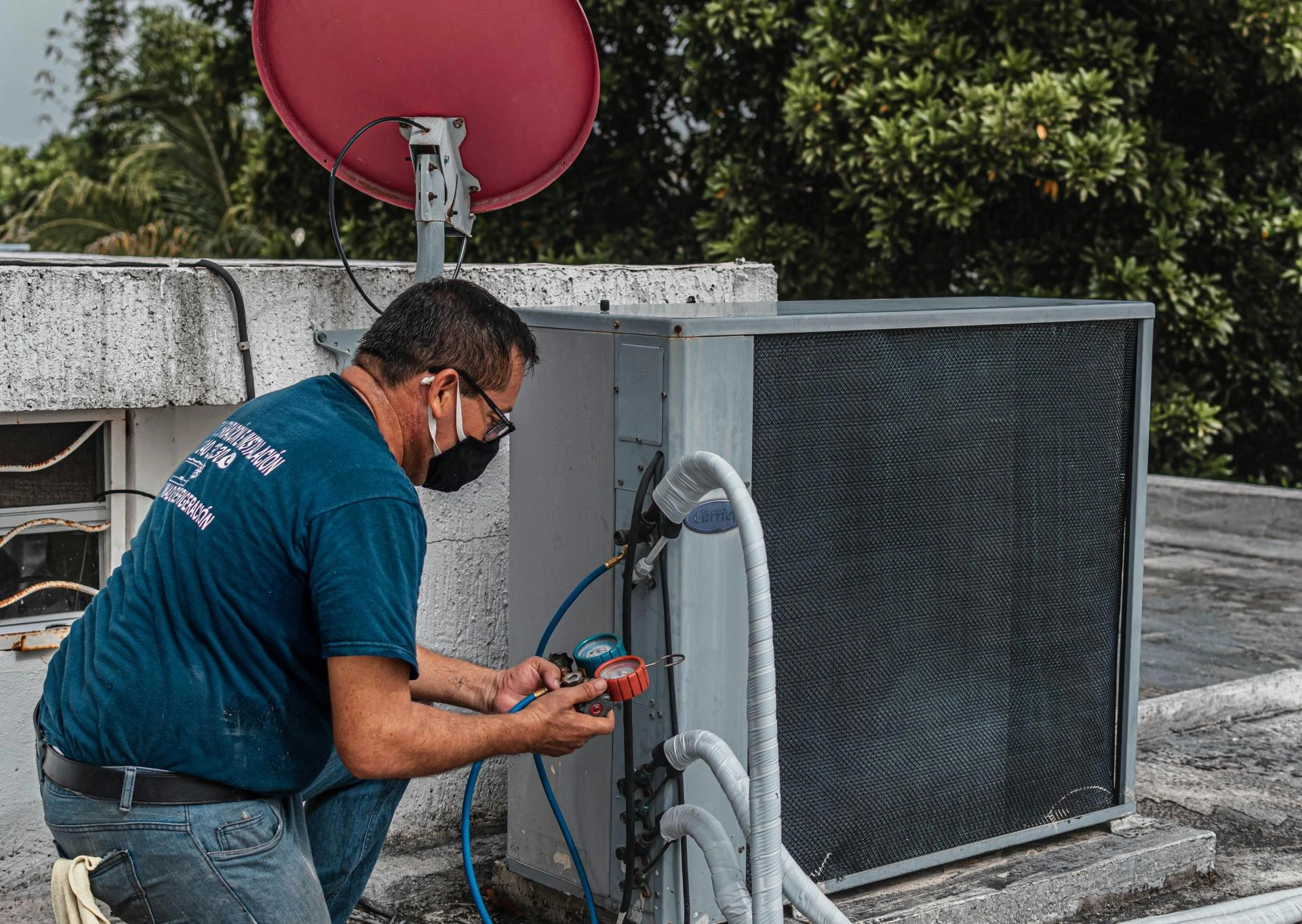
Improving ventilation within an air conditioning system does not always require major upgrades. In many cases, simple adjustments and regular maintenance can significantly improve airflow and system performance.
Consider the following steps:
- Regular Maintenance: Cleaning air filters, ducts, and vents ensures proper airflow.
- Proper System Design: Professional installation ensures balanced airflow across the building.
- Vent Placement Optimization: Strategic vent placement improves air distribution.
- Routine Inspections: Periodic inspections help detect airflow issues before they escalate.
- Upgraded Ventilation Components: Advanced ventilation systems can improve air exchange and efficiency.
Conclusion
Proper ventilation is a fundamental component of modern air conditioning systems. It supports efficient cooling, enhances indoor air quality, and protects the longevity of HVAC equipment. Whether in homes, offices, or industrial facilities, maintaining balanced airflow ensures that cooling systems operate effectively.
For businesses that rely on specialized systems such as process cooling or refrigerated storage like a walk in cooler freezer, proper ventilation becomes even more essential. By prioritizing ventilation design and regular maintenance, building owners can create comfortable indoor environments while maximizing the performance of their air conditioning systems.