Choosing a memory care environment is one of the most significant decisions a family will make. While floor plans and amenities are often the first things noticed during a search, the long-term success of a placement frequently depends on the stability and continuity of the provider. For those living with Alzheimer’s or other forms of dementia, the "who" behind the care is just as vital as the "where."
The Value of Time-Tested Experience
In the rapidly evolving senior living industry, many communities frequently change ownership or management. However, for residents navigating cognitive change, a provider with a long-standing, consistent history offers a different kind of foundation. Continuity in ownership often translates to a deeply rooted philosophy of care that has been refined over decades rather than months.
Families often find that a provider with a history spanning several decades—specifically those rooted in the local community since the late 1990s—brings a level of institutional knowledge that is difficult to replicate. This longevity suggests a commitment to the region and a stable operational framework that remains steady even as industry trends shift.
The Impact of Dedicated Expertise
A focused approach is often essential when supporting residents with memory disorders. Environments that dedicate 100% of their resources, training, and architectural design to memory care allow for a specialized level of attention.
When a provider focuses exclusively on one area of service, the administrative and caregiving teams are not split between different types of senior living. Instead, every protocol is built around the specific nuances of cognitive support. This singular focus helps maintain a consistent environment where the unique rhythms of those with memory loss are the primary priority.
Consistency Through the Stages of Aging
Memory disorders are not static; they evolve. A critical component of stability is the ability of a community to adapt to a resident’s changing needs without requiring a move to a different facility. Continuity of care means that as a resident’s requirements become more complex, the support system around them remains the same.
"Knowing that the people who helped my father on his first day are the same ones supporting him a year later provides a sense of familiarity that is hard to put a price on," notes one family member reflecting on the transition process. This familiarity between staff and residents is the cornerstone of dignity in care.
Financial Transparency and Stability
Operational stability also extends to the financial relationship between the family and the provider. Complex billing cycles or fluctuating costs can add stress to an already difficult situation. Many families seek out an all-inclusive care model as a way to maintain continuity.
An all-inclusive approach allows families to plan for the future with the knowledge that the level of care can increase as the resident ages without the distraction of "level of care" add-on fees. This transparency is a hallmark of a stable operator who prioritizes the resident’s needs over complicated line-item billing.
What to Look for During a Tour
When evaluating a community for a loved one, looking beyond the initial aesthetic can reveal the strength of its continuity. Families are encouraged to ask:
- How long has the current ownership been in place?
- Is the community’s focus exclusively on memory care, or is memory care a secondary service?
- Can the community adapt to my loved one’s changing needs?
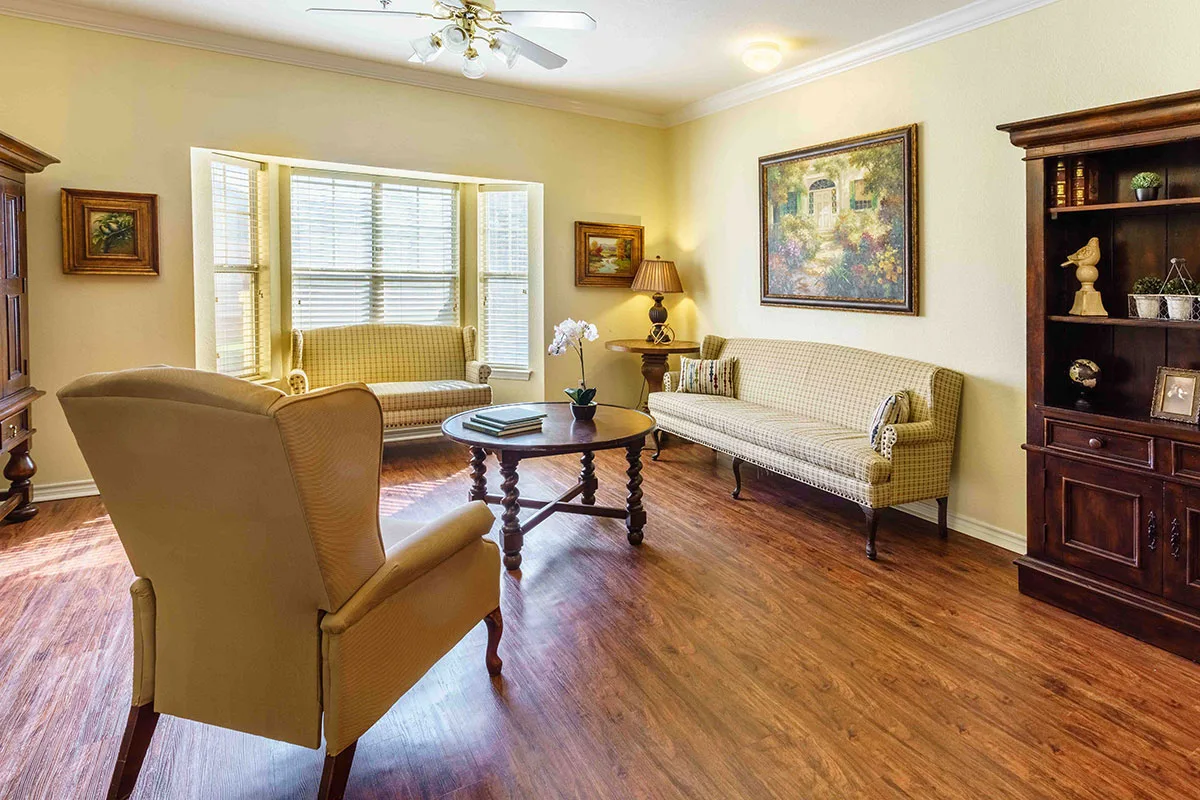
- Is the environment designed to feel like a home, with small-scale living areas that encourage a sense of belonging?
By observing the interactions between long-tenured staff and residents, families can see firsthand how a time-tested environment supports a life lived with respect and dignity.
About Author
The Cottages have been operating in Texas since 1997 and are family owned and operated by The Cottages Senior Living. The Cottages are state-of-the-art certified assisted living residences for people living with Alzheimer’s and other memory disorders.