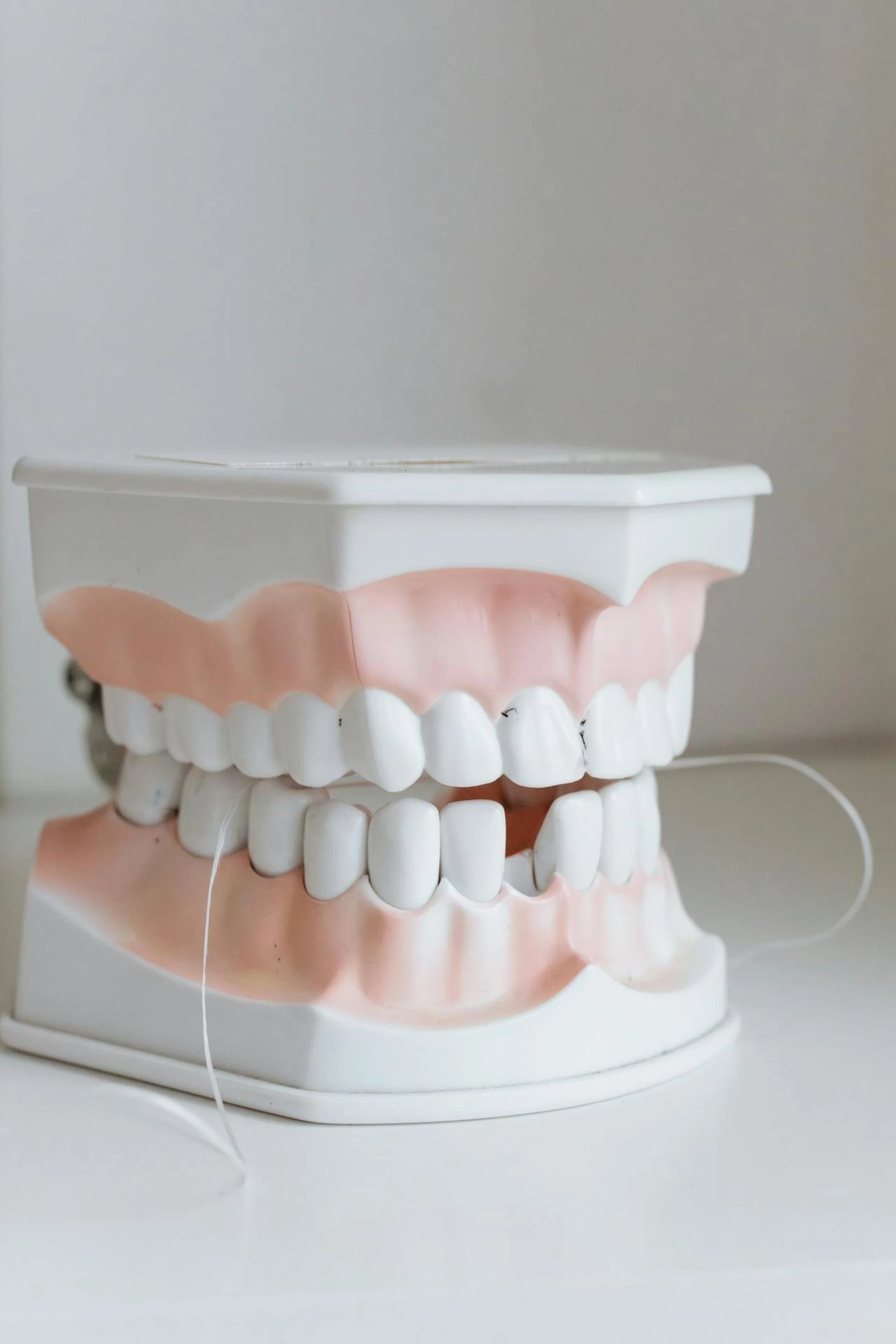
Healthy gums and teeth support clear smiles and fresh breath in every moment. The practice of cleaning between teeth removes hidden particles and prevents gum soreness and tooth decay. Many myths around cleaning dental spaces create confusion while simple facts point toward lasting health. Basic habits and correct tools can address plaque buildup and gum protection. This article highlights the causes of myths and proven methods that support strong teeth and calm gums for lifelong comfort.
Removing Hidden Plaque Along Gum Lines
Brushing reaches visible surfaces but small gaps near gum edges hide food bits and bacteria that cause irritation and decay. Cleaning these spaces with a floss removes plaque that builds up where brushes cannot reach. In order to remove debris and maintain healthy tissue, a thin, sterile thread glides steadily along each side of each tooth. Debris is lifted with gentle back and forth strokes that do not damage sensitive regions. After that, rinsing with plain water can simply remove any remaining debris and clean the mouth in preparation for the subsequent cleaning step. Keeping motion steady and covering all edges supports a smooth routine that can fit easily into daily habits. This simple action protects enamel and supports fresh breath by clearing zones that often go unnoticed.
Dispelling Myths About Space Between Teeth
A common myth suggests that tight spaces mean no cleaning is needed, but plaque can still build up in narrow gaps and cause trouble. Pulling a delicate strand through each gap clears hidden deposits that push against gums and trigger soreness. Maintaining tissue strength and firmness against tooth edges requires routine maintenance in these sensitive areas. Ignoring this step might result in tiny pockets where germs grow and irritated gum lines. The right method prevents debris from spreading across gaps by applying mild pressure and a fresh thread segment for every pair of teeth. Simple persistence with this gentle routine interrupts myth‑based confusion and lays the groundwork for healthier, more comfortable gums and cleaner teeth overall.
Enhancing Gum Strength with Gentle Action
Light, consistent cleaning along gum edges stimulates blood flow and helps tissue stay resilient against bacteria. Rhythmical motion across every tooth side keeps gum fibers active and ready to hold enamel edges firmly. Removing hidden particles prevents bacterial acids from inflaming soft areas and causing redness or bleeding. This practice supports tissue repair and lowers the risk of pockets that trap debris. Simply following a calm, steady routine twice each day builds strength at the base of each tooth and helps maintain a firm hold on enamel surfaces. Steady attention to gentle action brings long-term benefits by reinforcing natural defenses and calming sensitive zones within the mouth.
Choosing Tools That Fit Comfort Needs
Selecting the right cleaning aid supports gentle care in narrow spaces and helps maintain daily routines. Thin, smooth fibers slide easily between gaps without cutting gum tissue or shredding. Small holders with ergonomic grips guide movement and keep hands steady during each pass. After cleaning, rinsing with a mild mouthwash gives your teeth a boost of freshness and gets to places where the fibers do not come into contact. Chewing xylitol containing soft, sugar free gum reduces the amount of germs present and promotes salivation to wash away leftovers. Compact travel kits with pre‑cut strands make it easy to maintain habits on the go. Simple choices in tools and products support comfort, confidence, and cleaner spaces between teeth.
Professional Advice and Support for Oral Care
For every mouth shape, dental specialists provide precise instructions on technique and instrument selection. Basic cleanings that remove hardened tartar and identify areas that need more care are part of routine examinations. Experts can demonstrate correct motion and recommend specific thread types or holders for sensitive gums. A comprehensive approach to oral care is ensured by nutrition, hydration and gentle rinse advice. Pain is prevented from becoming worse by detecting gum recession and enamel loss early during regular examinations. For long term oral health establishing a relationship with a qualified professional offers customized solutions and continuous assistance. Simple reliance on expert insight reinforces daily routines and promotes a bright, healthy smile.
Conclusion
Simple, steady care between teeth clears hidden plaque and supports firm gum tissue. Gentle routines with suitable tools and light motions remove debris without causing soreness. Balancing daily habits with expert guidance builds lasting strength and comfort. Clear facts and proper technique replace myths and deliver fresh, healthy smiles. Consistent practice of these simple steps brings confidence and comfort with every bite.