
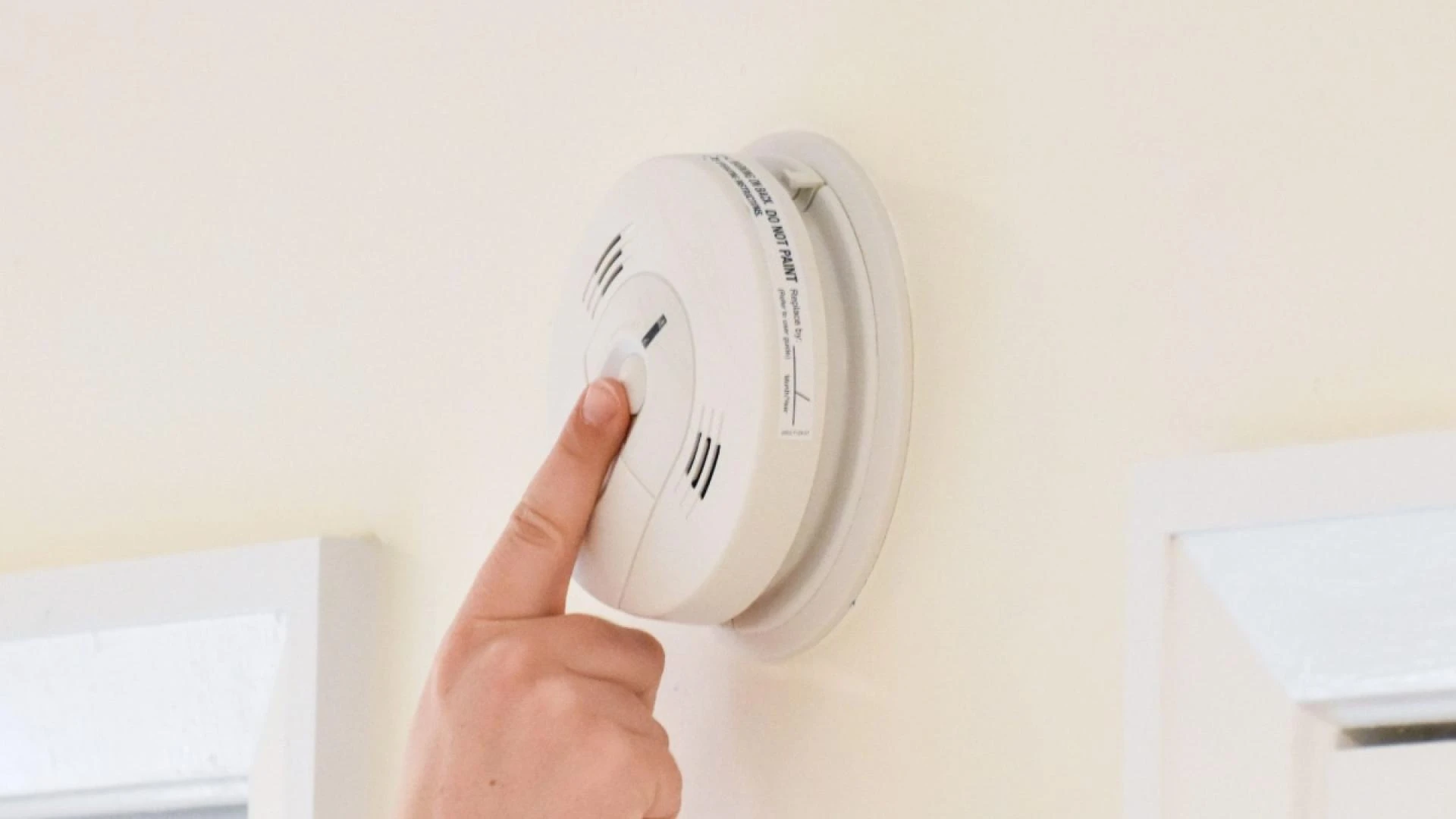
Carbon monoxide is often called the silent killer because it has no smell, color, or taste. Without a properly installed detection system, families may not realize there is a problem until symptoms appear. Correct CO detector placement in Montreal homes is essential due to the heavy use of gas furnaces, fireplaces, and other fuel-burning appliances, especially during long winter months.
In Montreal, residential heating systems work for extended periods each year. If equipment becomes faulty or ventilation systems are blocked, carbon monoxide can accumulate quickly. Professional smoke and CO detectors fittings ensure early warning, giving occupants valuable time to evacuate safely.
Proper installation is not only about mounting a device on the wall. It involves strategic positioning, code compliance, and functional testing to guarantee dependable performance.
Common Sources of Carbon Monoxide in Residential Properties
Carbon monoxide is produced whenever fuel such as natural gas, oil, propane, or wood burns incompletely. In Montreal homes, common sources include gas furnaces, boilers, water heaters, fireplaces, and kitchen stoves. Portable generators and vehicles running in attached garages also pose significant risks.
Older homes with aging ventilation systems may be more vulnerable to carbon monoxide buildup. Blocked chimneys or poorly maintained exhaust vents can prevent gases from escaping properly. This makes correct CO detector placement in Montreal even more critical for both older and newer properties.
Recommended Locations for CO Detector Placement in Montreal
To ensure optimal performance, carbon monoxide detectors should be installed near sleeping areas so alarms can wake occupants during the night. At least one detector should be placed on each level of the home, including basements.
CO detectors should be positioned within a reasonable distance of fuel burning appliances but not directly beside them. Placing a detector too close to a furnace or fireplace may result in false alarms due to temporary emissions during startup.
In properties with attached garages, a detector should be installed near the interior entrance connecting the garage to the home. This protects against exhaust fumes entering living spaces.
Professional smoke and CO detectors fittings ensure proper spacing from ventilation ducts, bathrooms, and kitchens, where airflow or humidity could interfere with sensor accuracy.
Proper Height and Installation Techniques
Because carbon monoxide has a density similar to air, detectors can be mounted on ceilings or walls according to manufacturer instructions. The key factor is avoiding dead air spaces and ensuring unobstructed airflow around the device.
Professional installers understand how room layout, ceiling height, and ventilation patterns affect detection efficiency. Secure mounting and accurate positioning are essential for reliable operation.
Correct CO detector placement in Montreal homes maximizes early detection and reduces nuisance alarms.
Smoke Detector Placement for Complete Fire Protection
Smoke detectors are equally essential for residential safety. They detect smoke particles from fires at an early stage, providing critical evacuation time.
Smoke detectors should be installed inside every bedroom, outside sleeping areas, and on each level of the home. In Montreal houses with finished basements or attic spaces, additional units should be installed in those areas.
Interconnected smoke and CO detectors fittings provide enhanced safety. When one unit detects smoke or carbon monoxide, all alarms activate simultaneously. This ensures everyone in the home is alerted quickly.
Hardwired Smoke and CO Detectors Fittings
Hardwired systems are directly connected to the home’s electrical panel and typically include battery backup. These systems provide consistent power and improved reliability.
A licensed electrician performs professional smoke and CO detectors fittings to ensure proper wiring and interconnection. Hardwired systems reduce the risk of devices becoming non functional due to dead batteries.
For larger Montreal homes or multi level properties, hardwired interconnected systems offer superior protection.
Battery Powered Units and Maintenance Requirements
Battery operated detectors are commonly used in apartments or smaller homes. While they are easy to install, regular maintenance is essential.
Batteries should be replaced annually or whenever low battery signals activate. Monthly testing is recommended to confirm proper operation.
Even with battery units, correct CO detector placement in Montreal remains critical. Improper positioning may delay detection or cause unnecessary alarms.
Detector Replacement and Lifespan
Smoke detectors typically last up to ten years, while carbon monoxide detectors usually have a lifespan of five to seven years. Over time, sensor sensitivity decreases, reducing reliability.
Replacing outdated units ensures continued protection. Professional inspection services verify that devices remain compliant with Montreal safety standards.
Upgrading older systems may also provide access to improved technology and enhanced detection accuracy.
Smart Detection Systems for Modern Homes
Smart smoke and carbon monoxide detectors are increasingly popular in Montreal. These systems connect to Wi Fi networks and send instant alerts to smartphones when triggered.
Smart technology allows homeowners to monitor their property remotely. If an alarm activates while the home is unoccupied, immediate action can be taken.
Professional smoke and CO detectors fittings ensure safe integration with existing electrical infrastructure. Smart systems combine convenience with advanced safety features.
Renovations and Updated Code Compliance
Renovations often require reevaluation of detection systems. Adding bedrooms, finishing basements, or installing new fuel burning appliances may require additional detectors.
Correct CO detector placement in Montreal must reflect any structural or mechanical changes made during renovations. Professional installation ensures compliance with Quebec building regulations and insurance requirements.
Regular updates to detection systems maintain consistent safety coverage throughout the home.
Benefits of Professional Smoke and CO Detectors Fittings
Hiring a qualified residential electrician provides several advantages. Professionals understand local building codes, manufacturer recommendations, and optimal placement strategies.
Professional smoke and CO detectors fittings reduce installation errors and ensure thorough system testing. This level of expertise enhances overall reliability and long term performance.
Homeowners gain peace of mind knowing their property is protected against both fire and carbon monoxide hazards.
Frequently Asked Questions About CO Detector Placement in Montreal
Where is the safest place to install a CO detector?
Near sleeping areas, on each level of the home, and within range of fuel burning appliances without placing it directly beside them.
Do Montreal homes require both smoke and CO detectors?
Yes, homes with fuel burning appliances or attached garages require carbon monoxide detectors in addition to smoke alarms.
How often should detectors be replaced?
Smoke detectors typically last ten years, while carbon monoxide detectors last five to seven years depending on the manufacturer.
Can I install detectors myself?
While battery powered units can be self installed, professional smoke and CO detectors fittings ensure proper placement and compliance with safety regulations.
Why do detectors sometimes trigger false alarms?
Improper placement near kitchens, bathrooms, or ventilation systems can cause false alarms due to steam, humidity, or airflow interference.
Conclusion
Correct CO detector placement in Montreal is essential for protecting homes from the invisible dangers of carbon monoxide. Combined with properly installed smoke alarms, these systems provide comprehensive residential safety. Professional smoke and CO detectors fittings ensure accurate positioning, reliable wiring, and compliance with local regulations. Investing in high quality installation and regular maintenance safeguards your home, protects your family, and delivers long term peace of mind.