Chronic diseases such as diabetes, heart disease, hypertension, and chronic obstructive pulmonary disease (COPD) are among the most prevalent health challenges worldwide. Managing these conditions effectively is crucial to prevent long-term health complications and improve patients' quality of life. This is where chronic care management plays a pivotal role. By implementing an organized, patient-centered approach, chronic care management can significantly reduce the risk of severe complications, hospitalizations, and healthcare costs.
Understanding Chronic Care Management
Chronic care management refers to a comprehensive approach designed to help patients with multiple or severe chronic conditions manage their health more effectively. It involves coordinated, ongoing care that addresses not just the illness itself, but the patient’s overall well-being. This strategy is essential for patients who require regular monitoring, medication management, lifestyle modifications, and frequent communication with their healthcare providers.
Chronic care management typically includes:
- Personalized care plans tailored to each patient’s unique needs
- Regular follow-ups and proactive monitoring
- Medication reconciliation and adherence support
- Coordination among various healthcare providers
- Patient education and self-management support
The Growing Need for Chronic Care Management
The global burden of chronic diseases is increasing rapidly. According to the World Health Organization, chronic diseases account for nearly 71% of all deaths worldwide. As populations age and lifestyles become more sedentary, the incidence of chronic conditions continues to rise. This trend underscores the urgent need for effective chronic care management strategies to prevent avoidable complications and improve long-term outcomes.
Without proper chronic care management, patients are at a higher risk of:
- Disease progression and worsening symptoms
- Hospitalizations and emergency room visits
- Development of secondary health complications
- Reduced quality of life and increased disability
- Higher healthcare costs for both patients and providers
How Chronic Care Management Reduces Long-Term Complications
1. Early Detection and Intervention
One of the primary benefits of chronic care management is early detection of potential complications. Through consistent monitoring and regular check-ins, healthcare providers can identify warning signs and intervene before minor issues escalate into serious problems. This proactive approach helps prevent hospitalizations and improves long-term prognosis.
2. Improved Medication Adherence
Many patients with chronic illnesses are prescribed multiple medications. Managing these effectively can be challenging, leading to missed doses or incorrect usage. Chronic care management programs provide education, reminders, and support to help patients adhere to their medication regimens, reducing the risk of complications related to poor compliance.
3. Enhanced Coordination of Care
Patients with chronic conditions often see multiple specialists and healthcare providers. Without proper coordination, there is a risk of fragmented care, duplication of tests, and conflicting treatment plans. Chronic care management ensures that all providers are on the same page, facilitating better communication and cohesive care.
4. Patient Empowerment and Education
Education is a cornerstone of chronic care management. Patients who understand their conditions and the steps they need to take to manage them are more likely to make informed choices. This empowerment leads to healthier lifestyles, better self-care, and a reduced risk of complications.
5. Lifestyle Modification Support
Chronic care management extends beyond medical treatments to include support for lifestyle changes such as diet, exercise, and smoking cessation. These changes are essential in slowing disease progression and preventing long-term complications.
The Role of Technology in Chronic Care Management
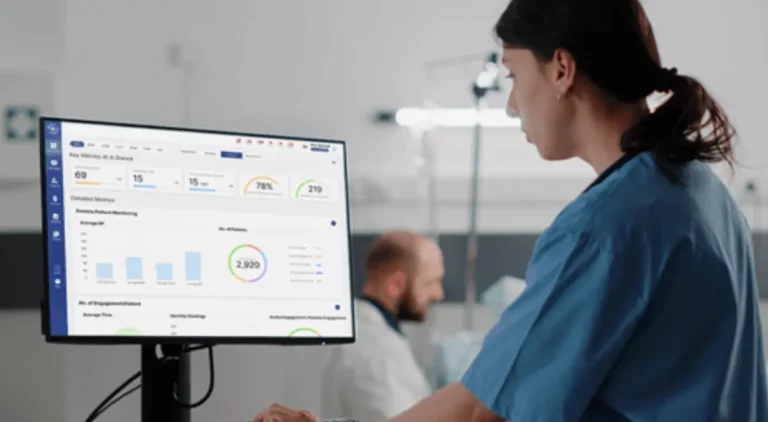
Advancements in technology have greatly enhanced the effectiveness of chronic care management programs. Digital health platforms, remote monitoring devices, and telemedicine services enable healthcare providers to monitor patients in real-time and intervene when necessary.
Some technological tools used in chronic care management include:
- Wearable devices to track vital signs and physical activity
- Mobile apps for medication and appointment reminders
- Virtual consultations for ongoing communication
- Electronic health records for seamless information sharing
By leveraging these tools, healthcare providers can offer more personalized and responsive care, further reducing the risk of long-term complications.
Benefits of Chronic Care Management for Patients and Providers
Chronic care management offers significant advantages for both patients and healthcare systems.
For Patients:
- Improved overall health and well-being
- Lower risk of severe disease complications
- Fewer emergency room visits and hospitalizations
- Greater confidence in managing their health
For Providers:
- More efficient use of resources
- Better patient outcomes and satisfaction
- Reduced readmission rates and healthcare costs
- Strengthened provider-patient relationships
Overcoming Barriers to Effective Chronic Care Management
While chronic care management is highly beneficial, several barriers can hinder its implementation. These include limited access to care, lack of patient engagement, and insufficient reimbursement for providers. However, ongoing policy changes, increased use of technology, and growing awareness are helping to address these challenges.
By prioritizing chronic care management, healthcare systems can ensure that patients receive the ongoing support they need to avoid long-term complications and maintain their quality of life.
Conclusion
Chronic care management is a vital component of modern healthcare, especially as the prevalence of chronic diseases continues to rise. By providing consistent monitoring, education, and coordinated care, chronic care management not only improves patient outcomes but also reduces the risk of costly and life-threatening complications. As healthcare continues to evolve, investing in effective chronic care management strategies will be crucial for reducing the global burden of chronic diseases and ensuring better health for all.
If you or a loved one is living with a chronic condition, talk to your healthcare provider about enrolling in a chronic care management program. Taking proactive steps today can make a significant difference in your long-term health and well-being. For healthcare organizations, embracing chronic care management is not just a best practice—it is a necessity for delivering high-quality, patient-centered care.
Make chronic care management a priority and help pave the way to a healthier future.