
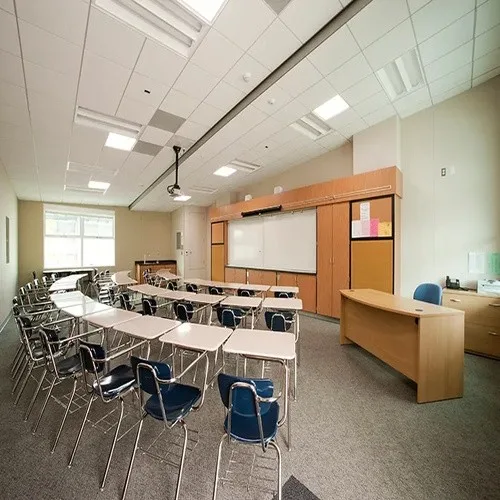
When we think about the factors that shape a student's academic journey, we often think about teachers, curriculum, and technology. But one element is frequently overlooked — natural light in the classroom. The impact of daylight on education and learning is profound, well-researched, and increasingly impossible to ignore. Schools and educational architects across the country are now prioritizing daylighting solutions as a cornerstone of effective learning environment design.
How Natural Light Influences Student Performance
Research has consistently demonstrated that students in naturally lit classrooms perform significantly better across a range of academic measures. Studies show that such students score higher on standardized tests, exhibit greater engagement during lessons, and maintain longer periods of concentration. The link between natural lighting and academic performance goes beyond simple comfort — it has deep physiological and neurological roots.
Daylight plays a critical role in regulating the body's circadian rhythms — the internal clock that governs sleep cycles, hormonal balance, and alertness levels. When students are exposed to appropriate levels of natural light during school hours, their bodies suppress melatonin (the sleep hormone) and stimulate serotonin production, a neurotransmitter that promotes focus, positive mood, and cognitive clarity. The result? Students arrive at their desks more alert, more engaged, and more ready to absorb new information.
Daylight and Behavior in Educational Settings
Beyond academic test scores, classroom daylighting has a measurable effect on student behavior. Schools that have invested in daylighting systems report fewer behavioral disruptions, lower rates of absenteeism, and improved overall school culture. Teachers in naturally lit environments also report higher levels of job satisfaction, contributing to better retention of quality educators.
Research has also found that exposure to natural light in schools can reduce the risk of children developing myopia (nearsightedness), a condition increasingly common among students who spend long hours under artificial lighting or looking at screens. This makes daylighting in education not just an academic concern, but a public health priority.
Sustainability and Energy Savings in Schools
Incorporating daylighting solutions in educational facilities also aligns with broader sustainability objectives. By reducing dependence on artificial lighting during school hours, districts can achieve meaningful energy savings. Sustainable school design that prioritizes natural light also creates a healthier indoor environment, reducing the risk of mold and creating visually appealing spaces that foster school pride and community connection.
Conclusion
The evidence is clear: natural light in educational environments is not a luxury — it is a necessity. From improved test scores and reduced behavioral issues to better physical health and greater teacher satisfaction, the benefits of daylighting in schools touch every corner of the educational experience. For schools seeking expert commercial daylighting solutions, Daylight Specialists provides consultation, design, and installation services across the Midwest. Contact their team today to explore how natural light can transform your school.
❓ Frequently Asked Questions (FAQs)
Q: Does natural light really improve student academic performance?
A: Yes. Multiple peer-reviewed studies confirm that students in naturally lit classrooms score significantly higher on standardized tests, show greater engagement, and have better attendance than those in artificially lit environments. The Heschong Mahone Group study found improvements of up to 20% on test scores.
Q: How does daylight affect student behavior?
A: Exposure to natural light suppresses melatonin and boosts serotonin, which helps students feel more alert, calm, and focused. Schools with strong daylighting systems consistently report fewer behavioral disruptions and a more positive classroom atmosphere.
Q: Can daylighting help with eye health in children?
A: Yes. Research indicates that adequate exposure to natural light during childhood is associated with a reduced risk of developing myopia (nearsightedness) — a condition increasingly common in children who spend long hours indoors under artificial lighting.
Q: What type of daylighting system works best for schools?
A: Top-down systems such as tubular daylighting devices (TDDs) and skylights are among the most effective for schools. They deliver diffuse, glare-free natural light evenly across classrooms without the heat gain or glare problems associated with perimeter windows.
Q: Can existing school buildings be retrofitted with daylighting systems?
A: Absolutely. Daylight Specialists specializes in both new construction and retrofit projects. Their team can assess your existing facility and recommend a daylighting solution that fits your building's structure, budget, and performance goals.