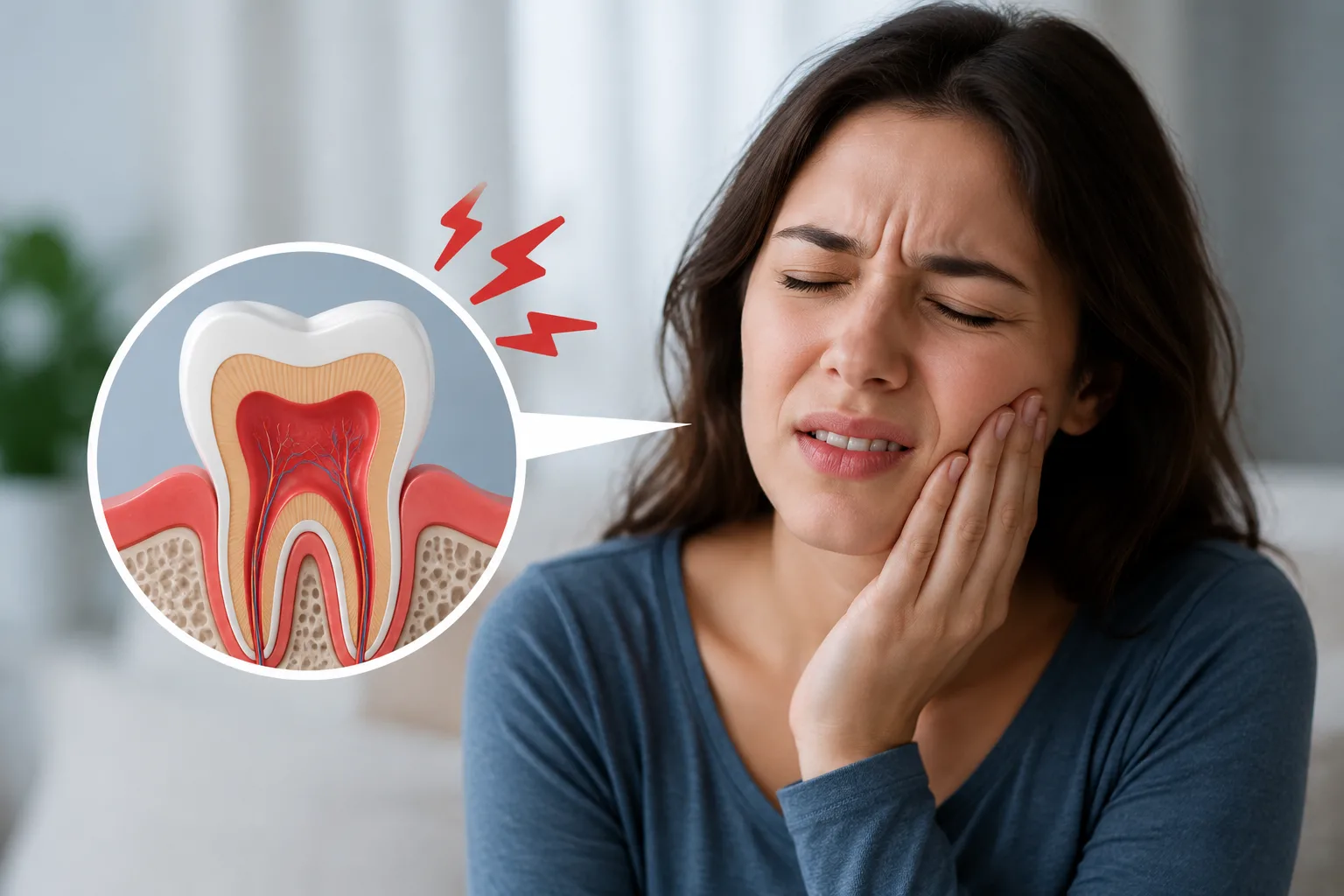
Tooth pain can appear unexpectedly and often becomes difficult to ignore. A sudden sharp sensation while drinking something cold, biting into food, or even brushing your teeth may indicate that something is affecting your oral health. While occasional discomfort may seem minor, sudden tooth sensitivity or pain can sometimes be linked to underlying dental issues that require attention.
Enamel Wear and Increased Tooth Sensitivity
One of the most common reasons behind sudden tooth sensitivity is the weakening of tooth enamel. Enamel is the protective outer layer of your teeth, and when it becomes thinner due to aggressive brushing, acidic foods, or natural wear over time, the inner layers of the tooth become more exposed. This exposure allows hot, cold, sweet, or acidic substances to trigger discomfort.
Maintaining good brushing habits, using a soft-bristled toothbrush, and limiting excessive acidic drinks can help protect enamel and reduce sensitivity. However, persistent sensitivity may require a professional evaluation to identify the exact cause.
Hidden Cavities That Cause Unexpected Pain
Many people assume cavities only cause pain when they become severe, but early-stage decay can also lead to sudden sensitivity. When bacteria damage the enamel and reach deeper layers of the tooth, they can irritate the nerves and create sharp or lingering discomfort.
Regular dental checkups are important because small cavities are often difficult to notice without professional examination. Early detection allows treatment before decay progresses and helps preserve the natural structure of the tooth.
Gum Recession and Exposed Tooth Roots
Healthy gums protect the roots of your teeth, but gum recession can expose sensitive areas that are not designed to handle external triggers. Factors such as gum disease, improper brushing techniques, or aging can contribute to receding gums.
When roots become exposed, everyday activities like eating cold foods or brushing may cause sudden discomfort. Treatments such as professional cleaning, improved oral care routines, or specialized dental procedures can help manage sensitivity caused by gum recession.
Cracked Teeth and Damaged Restorations
A small crack in a tooth may not always be visible, but it can allow pressure and temperature changes to affect the inner nerves. People with cracked teeth often experience sharp pain when chewing or releasing a bite.
Similarly, damaged fillings, crowns, or other dental restorations can create gaps where bacteria enter or where the tooth becomes vulnerable. Addressing these problems early can prevent further complications and protect your smile.
Teeth Grinding and Jaw Pressure
Many individuals unknowingly grind or clench their teeth, especially during sleep or stressful situations. This habit can put excessive pressure on teeth, causing sensitivity, small fractures, and jaw discomfort.
A dentist can identify signs of grinding and recommend solutions such as protective mouthguards or lifestyle adjustments. Managing stress and maintaining proper dental care can also reduce the impact of grinding on your teeth.
When Sudden Tooth Pain Requires Professional Care
Ignoring sudden dental discomfort may allow a minor problem to become more complicated. If pain continues, becomes intense, or is accompanied by swelling, fever, or difficulty chewing, it is important to seek professional dental advice. A dentist can examine your teeth, identify hidden causes, and recommend the right treatment to restore comfort.
Understanding the reasons behind sudden sensitivity helps you take better care of your oral health. Whether the issue is enamel damage, decay, gum problems, or another concern, addressing it early can prevent unnecessary complications. If discomfort becomes frequent or severe, scheduling a dental visit is the best way to determine the cause of your toothache and maintain a healthy, confident smile.