Introduction
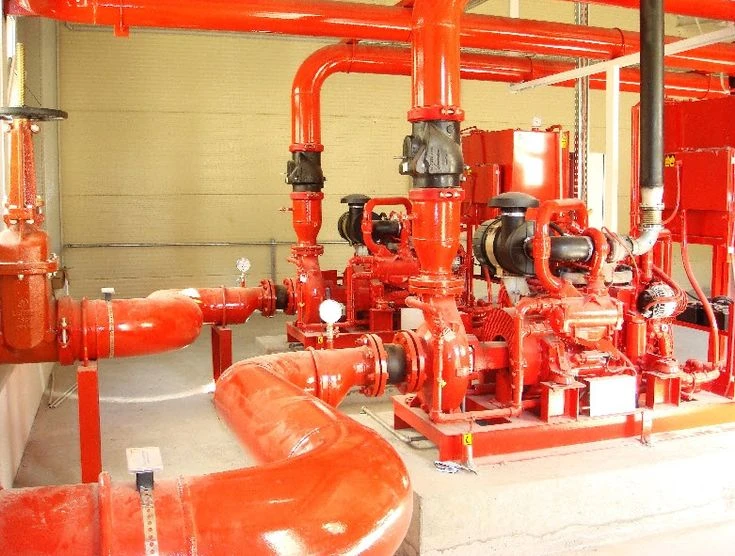
Fire safety isn’t something you want to take chances with, especially when lives, property, and business operations are at stake. Yet many organizations unknowingly put themselves at risk by selecting the wrong fire gear supplier. Whether it’s substandard products, poor servicing, or unreliable delivery, the consequences show up when emergencies strike—and by then, it’s too late. In fact, businesses upgrading their fire fighting system in Kenya often discover that the problem wasn’t just the equipment itself but the supplier behind it. This makes choosing the right partner just as important as the fire equipment you invest in.
The truth is, saving a few shillings upfront can cost far more down the line. Hidden expenses, operational disruptions, and safety hazards pile up quietly until they become impossible to ignore.
How Poor-Quality Fire Gear Creates Long-Term Costs
Equipment That Fails During Emergencies
Low-quality fire gear might look fine on the surface, but when exposed to real fire or high heat, it can fail without warning. Whether it’s extinguishers that won’t discharge or hoses that burst, faulty equipment leads to bigger property losses and increased danger for occupants.
Frequent Breakdowns and Repairs
Substandard gear tends to degrade faster. You may find yourself constantly repairing or replacing components that should have lasted years. These recurring costs often surpass the savings from choosing cheaper suppliers in the first place.
Compliance Issues and Regulatory Penalties
Failure to Meet Kenyan Fire Safety Standards
Fire equipment must meet strict quality and certification requirements. Working with an unreliable supplier increases the chances of installing products that don’t meet the standard. If authorities inspect your premises and find issues, penalties can follow.
Increased Insurance Premiums and Claim Rejections
Insurance companies look closely at fire prevention measures. If a fire occurs and they discover your equipment wasn’t up to standard or was poorly maintained, your claim may be rejected. Even without a fire incident, non-compliance can push premiums higher.
Also Read this : What’s the Best Forklift Type for Small Businesses?
Operational Disruptions Caused by Wrong Supplier Choices
Delayed Deliveries and Installation
Many businesses suffer from suppliers who overpromise and underdeliver. Delays in supply, installation, or maintenance can halt operations—especially in industries that rely heavily on safety certifications, such as manufacturing, hospitality, and healthcare.
Lack of Routine Servicing
Without regular maintenance, even quality fire gear becomes unreliable. Some suppliers disappear after making the sale, leaving businesses with unserviced extinguishers, faulty alarms, or malfunctioning hydrants. This increases downtime and risk.
Risks to Employees and Occupants
Lower Confidence in Workplace Safety
Faulty or outdated fire gear reduces employee trust. When workers doubt emergency readiness, productivity dips, and fear increases. A safe environment, after all, leads to a more confident and secure workforce.
Higher Likelihood of Injury
Poor equipment or improper installation can worsen fire emergencies. Smoke inhalation, burns, and rapid spread of flames are more likely when suppression tools fail to work properly.
Lack of Professional Advice and Customized Solutions
One-Size-Fits-All Recommendations
The wrong supplier may try to push generic equipment without assessing your actual risks. Every building—whether a school, factory, office, or warehouse—has unique fire safety needs. Inadequate customization means higher vulnerability.
Missing Out on Modern Technologies
From automated alarms to advanced suppression systems, fire technology has evolved. A low-tier supplier often lacks the knowledge or access to updated solutions, leaving your facility dependent on outdated tools.
The True Financial Impact Over Time
Hidden Maintenance Costs
Cheap equipment often requires more frequent inspections, repairs, and replacements. Over a few years, these hidden costs far exceed the price of investing in high-quality gear from the start.
Business Interruption Losses
A fire incident—even a small one—can shut down operations for days or weeks. The financial hit from lost productivity often dwarfs any initial cost savings gained from a cheaper supplier.
How to Avoid These Hidden Costs
Choose Certified and Reputable Suppliers
Always verify certifications, product standards, and customer reviews. Reputable suppliers provide full documentation and transparency.
Request Site Evaluations Before Purchasing
Professional assessments ensure you get the right equipment for your environment.
Prioritize Maintenance Contracts
A reliable supplier provides ongoing support, routine servicing, and clear maintenance schedules.
Conclusion
Choosing the wrong fire gear supplier may seem harmless at first, but the hidden costs—from equipment failure to regulatory penalties—add up quickly. The safest and most cost-effective approach is partnering with experts who understand Kenya’s safety requirements and offer reliable, certified solutions. For organizations looking for long-term protection and professional guidance, Blackwood Hodge Kenya Ltd remains a trusted partner in building safer, fully compliant environments. When it comes to fire safety, the right supplier isn’t just important—it’s essential for true peace of mind.