
Have you ever run your tongue over the back of your teeth and felt a rough, crusty texture that just won’t brush away? Or perhaps you’ve looked in the mirror and noticed a stubborn, yellowish "stucco" clinging to your gum line.
That substance is dental calculus, more commonly known as tartar. It affects the vast majority of adults, and while it might seem like a minor cosmetic nuisance, it is actually one of the most persistent challenges to your oral health.
What Is Dental Calculus (Tartar)?
Think of your mouth as a tiny ecosystem. Every time you eat, bacteria mix with food byproducts and proteins to form a sticky, colorless film called plaque. If you brush and floss effectively, you can remove this film daily.
However, if plaque stays on the teeth for more than 24 to 72 hours, it reacts with the minerals in your saliva. This chemical reaction causes the plaque to calcify, turning it into a rock-hard substance. This is dental calculus. Once plaque has reached this stage, it is essentially "cemented" to your tooth enamel.
What Does Tartar Look Like?
Unlike plaque, which is slippery and mostly invisible, tartar makes its presence known. You can usually identify it by:
- Color: It typically starts as a pale yellow or off-white color. If left untreated, it can absorb stains from coffee, tea, or smoking, turning brown or even black.
- Location: It most commonly appears as "hard white stuff" on teeth near the gums, particularly on the backs of the lower front teeth and the outsides of the upper molars.
- Texture: It feels rough and porous to the tongue, unlike the smooth surface of clean enamel.
How To Remove It (The Professional Reality)
Here is the most important takeaway: You cannot remove tartar at home. Once plaque has mineralized into calculus, it is chemically bonded to the tooth. Attempting to scrape it off with "DIY dental kits" or household items is extremely dangerous; you are far more likely to gouge your enamel or lacerate your gums than you are to remove the tartar.
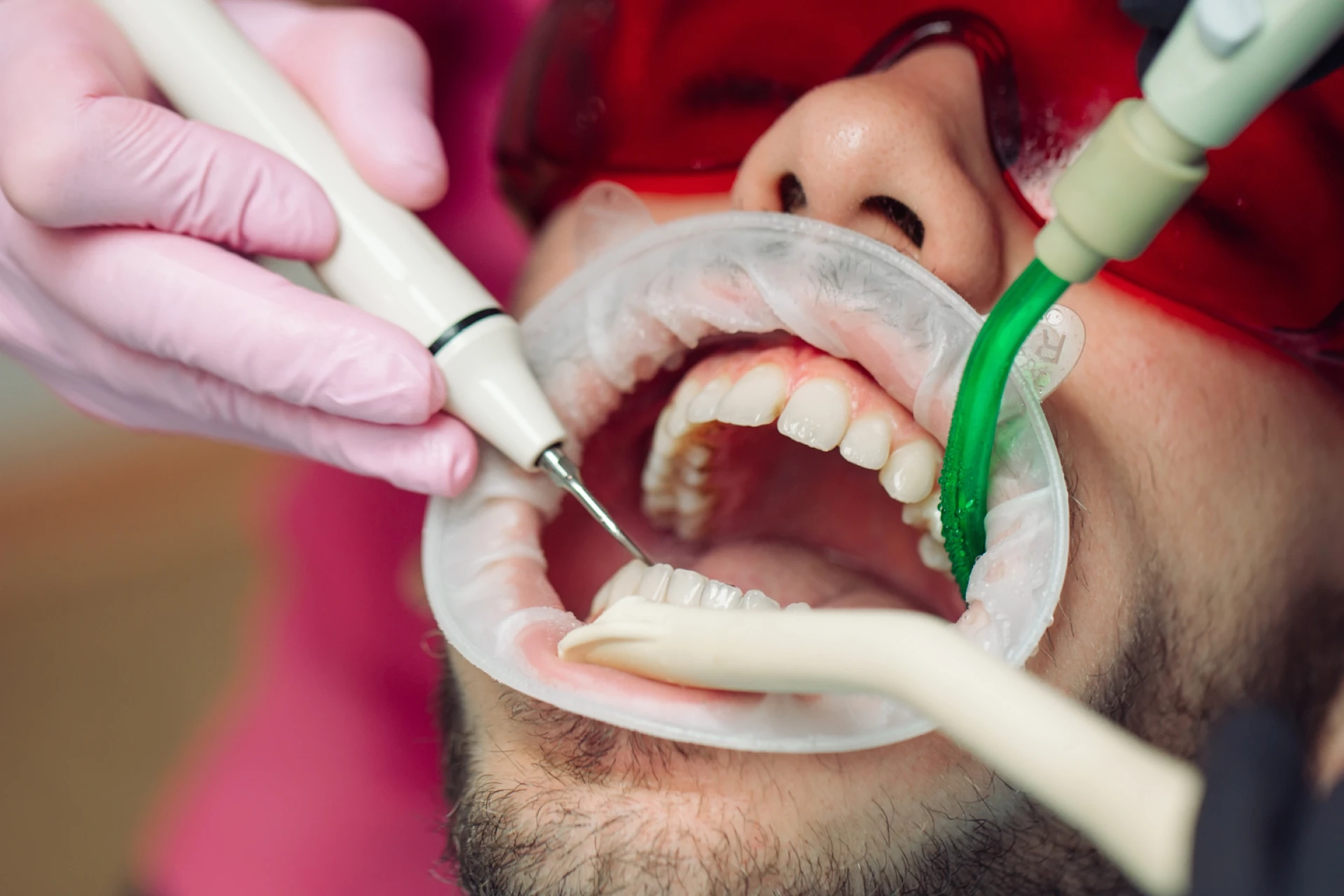
The only safe way to remove calculus is through a process called scaling performed by a dentist or dental hygienist. They use specialized ultrasonic tools or manual "scalers" designed to vibrate or chip the tartar away without damaging the underlying tooth.
Preventing the Buildup
While you can’t remove tartar yourself, you have total control over preventing it. Since tartar is just "old plaque," the goal is to never let plaque sit long enough to harden.
- The 2x2 Rule: Brush for two minutes, twice a day. Use a fluoride toothpaste to help strengthen the enamel.
- Don't Skip the Floss: Brushing only cleans about 60% of your tooth surfaces. Flossing is the only way to reach the plaque hiding between teeth where tartar loves to form.
- Electric vs. Manual: Studies show that electric toothbrushes (specifically those with oscillating-rotating heads) are often more effective at removing stubborn plaque than manual brushing.
- Antiseptic Mouthwash: Using a therapeutic mouthwash daily can help kill the bacteria that create plaque in the first place.
The Consequences of Neglect
If tartar isn't removed, it acts as a reservoir for more bacteria. Because it’s porous, it provides a perfect "grip" for even more plaque to attach to. Over time, this leads to gingivitis (inflamed gums) and eventually periodontitis, where the bone and tissue supporting your teeth begin to break down.