
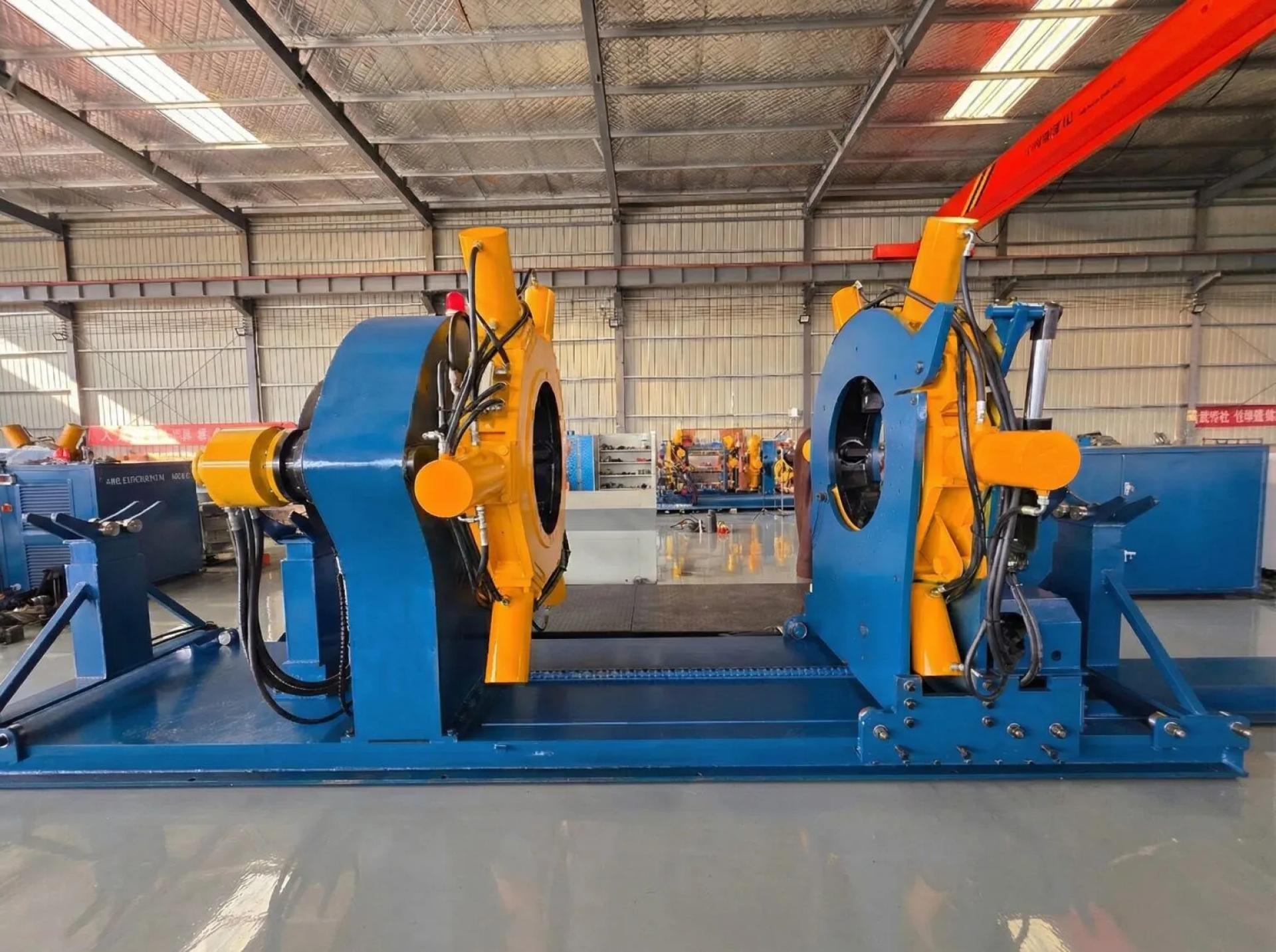
Efficiency and precision are the backbone of successful oil and gas operations. As drilling projects become more complex and safety standards continue to rise, companies are relying on advanced equipment to maintain productivity and reduce risks. One of the most essential tools supporting this transformation is the bucking unit. Designed to deliver accurate torque control and reliable performance, this equipment has become a key part of modern oilfield workflows.
How a Bucking Unit Enhances Connection Accuracy
A bucking unit is specifically engineered to make and break threaded connections used in drilling, tubing, and casing. These connections must be tightened with exact torque levels to avoid leaks, thread damage, or mechanical failure. Even a small deviation can lead to expensive downtime and repairs.
By using a bucking unit, operators can achieve consistent torque application every time. The system allows precise monitoring of torque values, ensuring each connection meets strict industry requirements. This level of accuracy reduces human error and improves the overall reliability of equipment used in drilling operations.
With real-time torque feedback and digital controls, the bucking unit helps maintain quality standards while speeding up assembly and disassembly processes.
Why a Hydraulic Bucking Unit Improves Efficiency
As technology advances, the hydraulic bucking unit has become the preferred choice for heavy-duty oilfield applications. Hydraulic systems use fluid pressure to generate force, providing smoother operation and greater torque capacity compared to traditional mechanical systems.
A hydraulic bucking unit allows operators to handle demanding workloads with minimal effort. It can manage high-torque applications quickly and efficiently, reducing the time required for pipe handling and maintenance tasks. This increased speed leads to improved productivity and lower operational costs.
In addition, the hydraulic bucking unit delivers controlled and stable power, which minimizes wear and tear on equipment. Over time, this helps extend the lifespan of drilling components and reduces maintenance expenses.
Safety Benefits of Using a Bucking Unit
Oilfield environments are known for their demanding and sometimes hazardous conditions. Manual handling of heavy pipes and torque tools can expose workers to injury risks. A bucking unit significantly reduces these risks by automating the connection process.
With remote operation and digital monitoring, workers can maintain a safe distance from high-torque equipment. The hydraulic bucking unit provides steady force, reducing the likelihood of sudden movements or equipment failure. This creates a safer work environment and helps companies meet strict safety regulations.
Improved safety also leads to fewer disruptions and increased confidence among crew members, making the bucking unit a valuable investment for any operation.
Long-Term Benefits of Investing in a Hydraulic Bucking Unit
Choosing a hydraulic bucking unit is not only about short-term efficiency. It is a long-term investment in performance, reliability, and cost savings. Consistent torque control prevents connection failures and reduces downtime caused by equipment issues.
Over time, the ability to maintain accurate and repeatable results improves operational efficiency across projects. Companies that adopt advanced torque solutions gain a competitive advantage by completing tasks faster and more safely.
Conclusion
The oil and gas industry depends on equipment that delivers precision, safety, and reliability. A modern bucking unit plays a vital role in ensuring accurate connections, while a hydraulic bucking unit provides the power and efficiency required for demanding operations.
By integrating this advanced equipment into daily workflows, oilfield companies can improve productivity, protect their workforce, and maintain high standards of performance in every project.