Education and professional training are changing rapidly with the development of digital technology. Traditional teaching methods are still valuable, but modern learners increasingly expect interactive, visual, and easy-to-understand learning experiences. Schools, universities, online learning platforms, and corporate organisations are exploring new ways to communicate information effectively.
One technology making a significant contribution to this transformation is 3D animation. It allows educators and training professionals to explain complicated subjects through realistic digital models, animated demonstrations, and visual storytelling. Instead of depending entirely on written instructions or static diagrams, learners can observe how different concepts and processes work.
From science and engineering to healthcare and workplace training, 3D animation is creating new opportunities for effective learning.
Making Difficult Subjects Easier to Understand
Some subjects involve complicated concepts that are difficult to explain through textbooks and traditional presentations. Students may struggle to understand scientific processes, mechanical systems, anatomical structures, or technical operations without visual demonstrations.
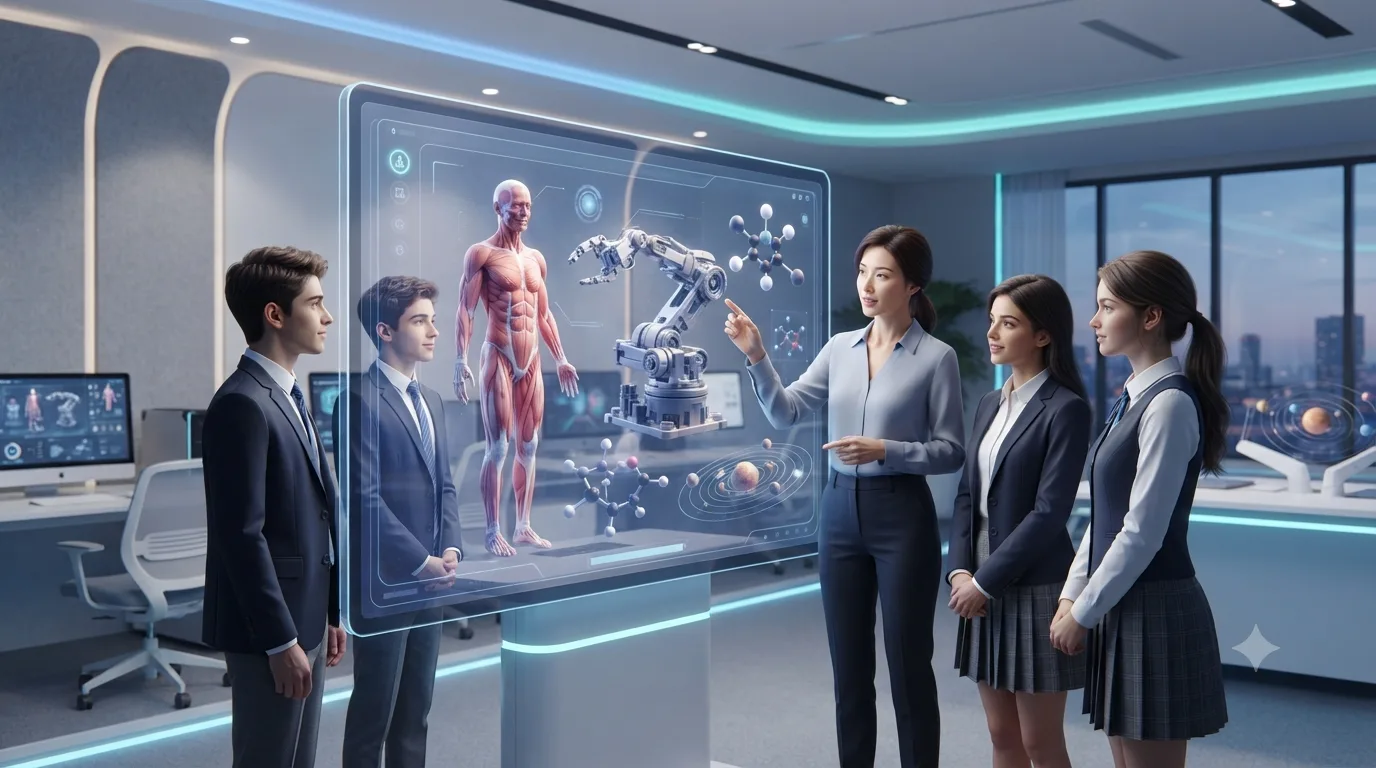
3D animation helps simplify these subjects by presenting information in a visual format. For example, a science teacher can use an animated model to explain the solar system, while an engineering instructor can demonstrate how a machine operates internally.
These visual explanations allow learners to observe processes step by step. They can understand how different components connect and how individual systems work together.
This approach can make difficult information more accessible and reduce the confusion that sometimes occurs when students depend only on written explanations.
Improving Student Engagement
Maintaining student interest is an important challenge in modern education, particularly in online learning environments. Long lectures and text-heavy presentations may become difficult to follow.
Animated educational videos can make lessons more interesting by combining visuals, movement, narration, and structured explanations. Instead of simply reading about a topic, students can watch a digital demonstration that brings the subject to life.
For younger learners, animated characters and colourful environments can make educational content more approachable. For university students and professionals, realistic technical animations can explain advanced subjects without making the presentation unnecessarily complicated.
Engaging visual content can also encourage learners to revisit lessons and review important concepts.
Supporting Science and Medical Education
Science and medical education involve many processes that cannot easily be observed in everyday situations. Some biological activities occur inside the human body, while others take place at microscopic levels.
3D animation can represent these processes through detailed digital models. Educational videos can demonstrate the human circulatory system, organ functions, cellular activities, surgical procedures, and molecular structures.
Medical institutions can use these animations to support classroom teaching, patient education, and professional presentations. Science educators can also demonstrate chemical reactions, environmental processes, and laboratory procedures through animated sequences.
These visual explanations help make complex scientific information easier to communicate.
Transforming Technical and Industrial Training
Professional training often requires employees to understand equipment, machinery, safety procedures, and operational processes. Traditional manuals and presentations may not always provide enough visual information.
3D animation can demonstrate how machines operate, how components are assembled, and how employees should follow specific procedures.
For example, manufacturing companies can create animated videos explaining production processes and equipment handling. Construction organisations can demonstrate machinery operations and workplace safety practices.
These training materials can be reused across different departments and locations, helping organisations provide consistent information to employees.
Making Online Learning More Effective
Online education has become an important part of modern learning. Students can access courses, lectures, and educational resources from different locations, but digital platforms must find effective ways to maintain learner interest.
3D animated content can improve online courses by making lessons more visual and interactive. An online engineering course can include animated machinery demonstrations, while a geography lesson can use digital environments to explain landscapes and natural processes.
Course creators can also combine animation with voiceovers, presentations, quizzes, and recorded lectures. This creates a more organised learning experience and allows students to understand subjects through different formats.
Explaining Real-World Processes Through Digital Demonstrations
One major advantage of 3D animation is the ability to recreate situations that may be difficult, expensive, or unsafe to demonstrate physically.
For example, students can explore the working mechanism of an industrial engine without accessing actual machinery. Medical learners can observe anatomical structures through digital models, while aviation students can study aircraft components through animated demonstrations.
These digital presentations can also show processes from different angles, including internal views that would not be possible through ordinary photography.
This makes animation particularly useful for subjects that require detailed visual explanations.
Benefits for Educational Institutions
Educational institutions can use 3D animation to improve the quality and presentation of their learning materials. Professionally created animated videos can be included in classroom lessons, online courses, digital libraries, presentations, and training programmes.
One important advantage is reusability. Once an educational animation is created, it can be used across multiple sessions and updated when necessary.
Animation can also help institutions explain subjects consistently. Students receive the same visual demonstration regardless of when or where they access the learning material.
In addition, institutions can create customised animations according to their courses, academic requirements, and target audiences.
Why Professional 3D Animation Quality Matters
Educational animation must communicate information accurately. Attractive visuals alone are not enough if the content is confusing or technically incorrect.
A professional production process generally includes research, concept development, storyboarding, 3D modelling, texturing, animation, lighting, rendering, and video editing.
Each stage contributes to the final result. Clear camera movements, realistic models, appropriate colours, and organised visual sequences help learners understand the subject more effectively.
Businesses and educational organisations should choose experienced production teams that understand visual communication and can present technical information clearly.
FilmByHim offers creative production services, including 3D animation, CGI, VFX, product visualization, architectural visualization, and professional video editing. These services can support educational organisations and businesses that need engaging visual content for presentations, demonstrations, and communication.
You can explore the available services at https://www.filmbyhim.com/.
The Future of 3D Animation in Education
The future of education is likely to involve more advanced digital learning experiences. Technologies such as virtual reality, augmented reality, interactive 3D models, and real-time rendering are creating new possibilities for teachers and training professionals.
Students may be able to explore virtual environments, examine digital objects, and interact with educational models through immersive learning platforms.
These developments could make practical learning more accessible, particularly in subjects where physical demonstrations require specialised equipment or facilities.
As educational technology continues to advance, 3D animation will remain an important tool for creating engaging and informative learning resources.
Conclusion
3D animation is transforming education and professional training by making complicated information easier to understand and lessons more visually engaging. It supports science education, medical learning, industrial training, technical demonstrations, and online courses.
By combining accurate information with professional visual storytelling, educational organisations can create learning materials that are informative, reusable, and accessible. As digital learning continues to grow, the importance of high-quality 3D animation will increase across educational and professional environments.