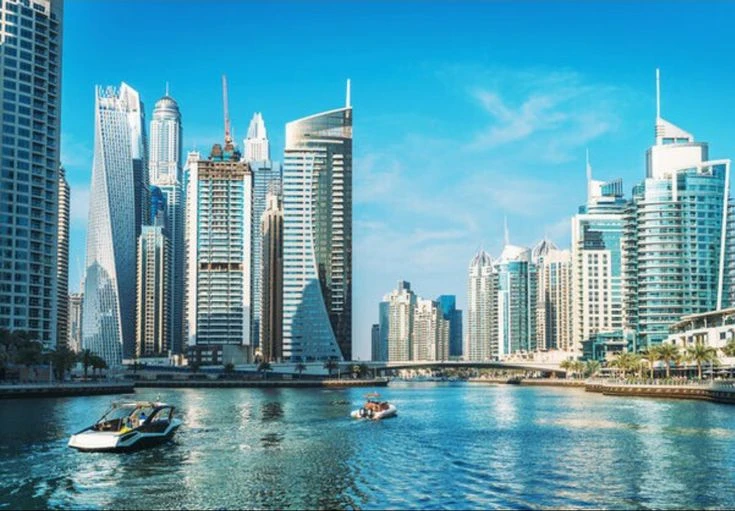

Dubai is a city of contrasts. While its skyline boasts towering skyscrapers and luxurious malls, just beyond the urban sprawl lies a vast expanse of golden sand dunes, whispering tales of centuries-old traditions and natural beauty. The desert landscape of Dubai is not only a visual spectacle but also a living testament to the resilience of life in harsh conditions. For travelers and adventurers alike, the desert offers an experience that blends thrill, tranquility, and cultural immersion. From sunrise camel rides to star-lit nights, Dubai’s deserts have become synonymous with adventure tourism, cultural exploration, and photography hotspots. Understanding these landscapes helps one appreciate the delicate balance between nature and human development, making the desert an essential part of Dubai’s identity.
Understanding Dubai’s Desert: Geography and Climate
The deserts surrounding Dubai are part of the Arabian Desert, one of the largest sand deserts in the world. Covering thousands of square kilometers, these deserts feature rolling sand dunes, rocky outcrops, and occasional oases. The terrain is primarily composed of ergs, which are vast sand seas formed over thousands of years by wind and erosion. The climate in these regions is classified as arid, with extreme temperatures during the day and cool nights, minimal rainfall, and high evaporation rates.
These environmental conditions have influenced both the natural ecosystem and human adaptation. For instance, the flora and fauna in the desert have evolved survival strategies such as water retention, nocturnal activity, and heat resistance. Desert plants like the ghaf tree and desert shrubs provide shelter and food for native species such as the Arabian oryx, sand gazelles, and desert foxes. Understanding the geography and climate is crucial for both conservation efforts and planning recreational desert activities.
Adventure Awaits: Experiencing the Desert Firsthand
Dubai’s desert has become a global hotspot for adventure tourism. Tourists flock to experience dune bashing, sandboarding, and desert safaris that offer adrenaline-packed fun while exploring the desert landscape. Local tour operators also provide guided experiences that educate visitors about traditional desert life, including camel herding, falconry, and Bedouin hospitality.
For those planning a visit, obtaining a Dubai visa is often the first step. Whether traveling from Europe, Asia, or the Americas, tourists must ensure they comply with the UAE’s visa regulations to enjoy these desert adventures. Online applications have made the process faster, allowing travelers to focus on planning their desert excursions without administrative hurdles. A Dubai visa opens the door to unique experiences like sunset photography sessions on the dunes or participating in traditional Emirati cultural activities, making it an essential part of planning a desert trip.
Cultural Significance: Desert Life and Traditions
The desert is not only a natural marvel but also a cradle of culture and history. Historically, the Bedouin tribes inhabited these areas, relying on nomadic practices for survival. They moved with their herds, adapted to scarce water resources, and built temporary shelters that could withstand the harsh desert climate. Even today, cultural festivals and desert camps in Dubai showcase traditional music, dance, and crafts, preserving the Bedouin heritage for future generations.
Real-life applications of cultural integration can be seen in desert tourism initiatives. Visitors can engage in activities such as henna painting, traditional Emirati meals, and storytelling sessions around campfires. These experiences provide insight into the social structures and survival skills that shaped life in the desert. The preservation of such cultural knowledge not only enriches tourism but also strengthens local identity, making the desert both an ecological and cultural treasure.
Sustainable Desert Tourism: Balancing Adventure and Conservation
With increasing tourism, sustainability has become a central concern. The desert ecosystem is fragile; unregulated activities can lead to soil erosion, loss of native vegetation, and disturbance of wildlife. Dubai’s tourism authorities have implemented measures such as guided tours, designated camping sites, and awareness programs to minimize environmental impact.
Case studies from desert conservation projects show promising results. For example, eco-friendly safari operators use electric vehicles for tours, reducing carbon emissions and noise pollution. Efforts are also being made to reintroduce native species and restore degraded dune areas. Tourists are encouraged to follow responsible practices such as leaving no waste behind, avoiding off-trail driving, and respecting wildlife habitats. These measures ensure that the desert remains a thriving ecosystem for generations to come.
Photographic Marvel: Capturing the Desert’s Beauty
For photographers and social media enthusiasts, Dubai’s desert offers endless opportunities. The interplay of light and shadow on the dunes creates stunning visuals during sunrise and sunset. The contrast between golden sands and the deep blue sky makes for breathtaking compositions. Wildlife photography is also rewarding, as the desert hosts unique species adapted to extreme conditions.
Many travel influencers highlight the importance of capturing moments while being mindful of environmental preservation. Drone photography, when permitted, provides a bird’s-eye view of the vast dune landscapes, emphasizing the scale and beauty of the desert. Additionally, cultural events and camel caravans present dynamic subjects that combine both human and natural elements, enriching the storytelling aspect of photography.
Practical Tips for Visiting Dubai’s Desert
- Best Time to Visit: October to April, when temperatures are moderate.
- Essentials to Carry: Sunscreen, hats, sunglasses, water bottles, and comfortable shoes.
- Booking Tours: Opt for certified tour operators who prioritize safety and sustainability.
- Local Etiquette: Respect cultural norms, dress modestly, and follow guides’ instructions.
- Health Precautions: Carry a first-aid kit and avoid strenuous activities during extreme heat.
These simple guidelines ensure a safe, enjoyable, and culturally respectful desert experience.
Conclusion
Dubai’s deserts are more than just stretches of sand—they are living landscapes that offer adventure, cultural immersion, and natural beauty. From the thrill of dune bashing to the tranquility of a starry night in the dunes, these iconic landscapes provide experiences that stay etched in memory. By understanding the geography, climate, and cultural significance of the desert, travelers can appreciate its unique charm while contributing to its preservation. Obtaining a Dubai visa ensures smooth access to these experiences, opening doors to adventures that blend thrill, learning, and heritage. The golden mirage of Dubai’s desert continues to captivate visitors, proving that nature and tradition can coexist harmoniously in a modern world.