
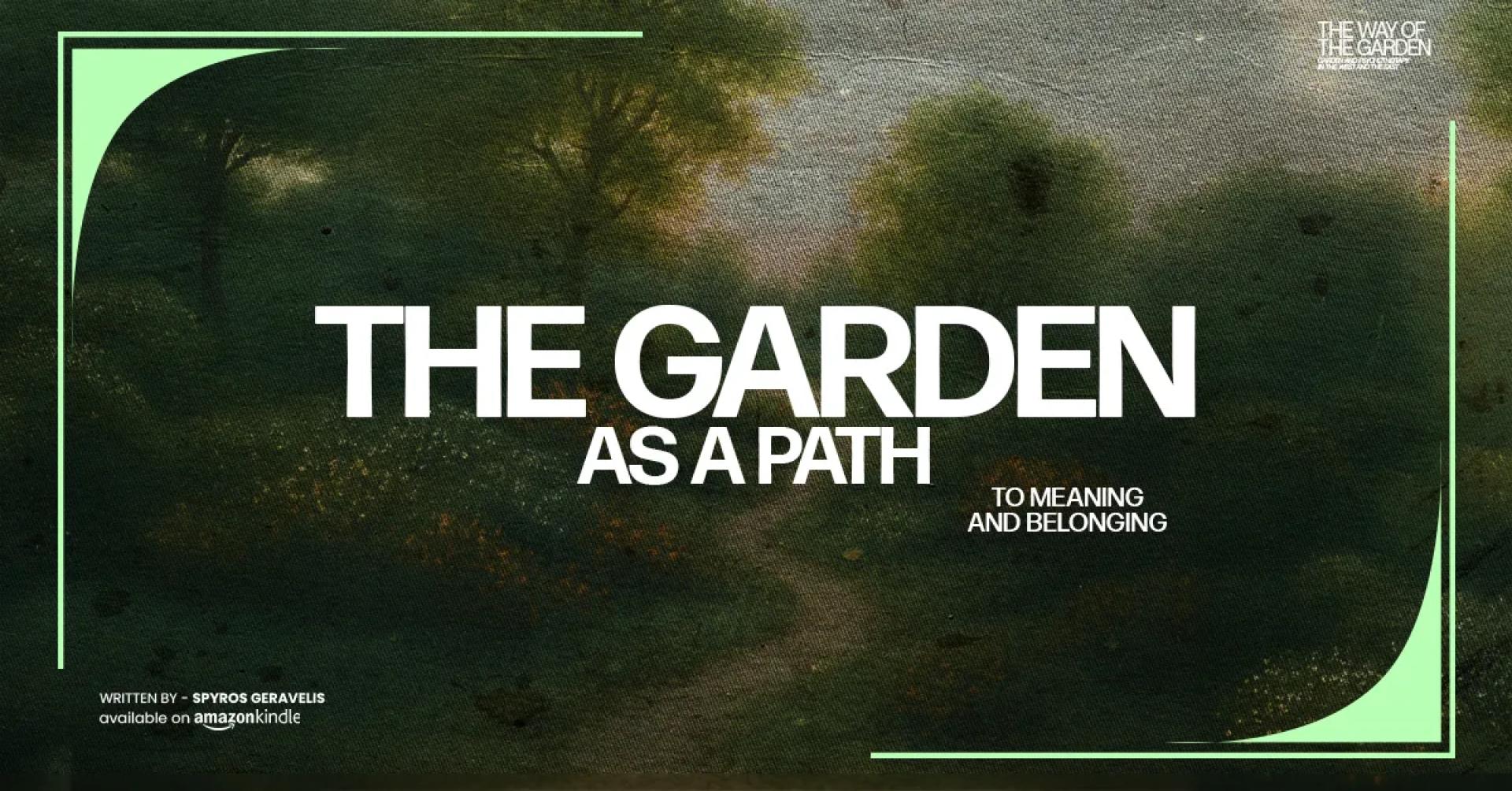
In every culture, gardens have been more than plots of land—they have been symbols of paradise, order, and meaning. From the Hanging Gardens of Babylon to the sacred groves of Greece, humans have long looked to cultivated spaces for glimpses of truth. In The Way of the Garden, Spyros Geravelis rekindles this timeless relationship, showing readers how gardens are not only places of beauty but also living metaphors for the deepest questions of existence.
A Mirror of the Soul
At its heart, this book argues that gardens are not just external creations but reflections of the inner self. The act of tending to a plant, arranging a stone, or clearing a path is at once practical and symbolic. Each action becomes a ritual of care, patience, and intention. Just as we prune branches to allow for new growth, we must let go of outdated beliefs and fears to make space for wisdom.
Geravelis encourages readers to see their lives as gardens in progress—never finished, always evolving. This metaphor brings comfort in a world obsessed with perfection and finality. Instead of striving for flawlessness, we are invited to embrace cycles of planting, growth, decay, and renewal.
The Philosophy of Slowness
Modern life rushes us forward, demanding productivity at the expense of presence. In contrast, gardens insist on slowness. Seeds germinate in their own time, seasons cannot be rushed, and blooms arrive when they are ready. For Geravelis, this natural rhythm offers a profound lesson: meaning is found not in constant achievement but in the quiet unfolding of life itself.
This philosophy aligns with ancient traditions. Stoic thinkers saw gardens as sanctuaries where contemplation thrived. Eastern philosophies, from Taoism to Zen, embraced gardens as physical expressions of harmony and balance. Geravelis draws on these traditions to craft a vision of living where mindfulness and purpose take root in the soil of daily existence.
Spiritual Companionship in Nature
While The Way of the Garden is grounded in psychology and philosophy, it also opens a spiritual door. Gardens, Geravelis writes, are places where the sacred becomes tangible. A shaft of light through leaves, the fragrance of soil after rain, or the silent persistence of a flower blooming—all these experiences invite us to sense something greater than ourselves.
This is not spirituality confined to doctrine, but one that transcends boundaries. Whether you name it divine, universal, or simply the mystery of life, the garden becomes a place of connection. It grounds us in the present while pointing us toward the eternal.
Belonging Through Cultivation
One of the most moving themes in the book is the idea of belonging. In tending a garden, we root ourselves not just in soil but in community and continuity. The earth remembers those who cared for it before us, and our efforts ripple forward to those who will inherit it. Gardening becomes an act of stewardship, a way of participating in something larger than the self.
Geravelis shows how this sense of belonging can heal alienation. In a fragmented, individualistic society, the garden reminds us that we are part of an ecosystem of people, plants, and places. Every act of cultivation—watering, planting, harvesting—becomes an affirmation that we belong to life itself.
Why Philosophy Needs Practice
What makes The Way of the Garden compelling is that it does not leave philosophy in the abstract. It insists that meaning must be lived. To meditate on impermanence is one thing; to watch a leaf fall and decay is another. To speak of patience is easy; to wait for a seed to sprout is transformative. The garden grounds philosophy in lived experience, making wisdom tactile and unforgettable.
Conclusion
The Way of the Garden is a book that goes beyond therapy or aesthetics—it is a guide to living meaningfully. Spyros Geravelis invites readers to see their lives as gardens: places of growth, struggle, beauty, and rebirth. By slowing down, tending to what matters, and opening ourselves to the sacred rhythms of nature, we can rediscover belonging in a world that too often feels fragmented.
Amazon Link: THE WAY OF THE GARDEN